info@poolervet.com

What Conditions Can Laser Therapy Treat in Pets?
Request Appointment
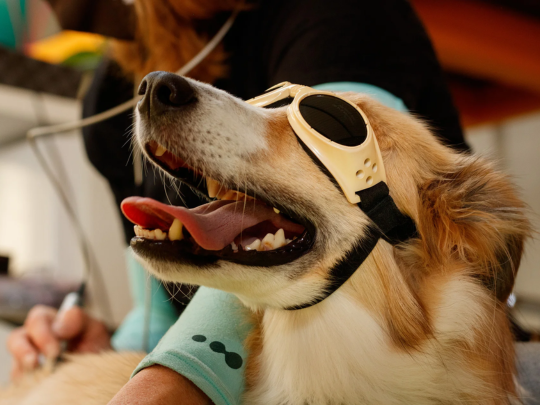
As pet parents, we all want our furry companions to be happy, pain-free, and active. Yet aging, injuries, and chronic medical conditions often affect their well-being. That’s where modern veterinary medicine has brought hope through laser therapy.
Today, we are offering laser therapy in Bloomingdale are transforming the way pets heal. By using targeted therapeutic light instead of invasive methods, veterinarians can naturally reduce pain, encourage cell repair, and bring comfort back to pets’ lives.
How Does Laser Therapy Work on Pets?
Laser therapy—sometimes called cold laser therapy—uses controlled light waves that penetrate tissues without causing harm. This process boosts blood circulation, calms swollen areas, and triggers cellular repair.
Rather than masking symptoms, it stimulates the body’s natural healing response. This makes it not only safe but also a preferred solution for pets who cannot tolerate long-term medications.
1. Soothing Arthritis and Age-Related Joint Pain
One of the most common conditions pets face, especially seniors, is arthritis. Stiffness, limping, and reluctance to move can rob them of joy.
How laser therapy helps:
- Calms inflammation surrounding the joints
- Improves flexibility and range of motion
- Eases daily discomfort, restoring mobility
Many older cats and dogs treated with laser therapy Bloomingdale show renewed interest in walks, playtime, and climbing stairs.
2. Helping Pets Heal Faster After Surgery
Post-surgery recovery can be challenging for pets and stressful for their owners. Swelling, soreness, and delayed healing often come with procedures.
Laser therapy speeds up this process by:
- Reducing post-op pain and swelling
- Accelerating tissue repair and circulation
- Supporting quicker return to normal activities
This means fewer setbacks and less reliance on high-dose medications.
3. Closing Wounds with Comfort and Speed
From scratches and cuts to deeper bite wounds, injuries are common in pets. However, slow healing increases infection risks.
Laser therapy assists by:
- Increasing oxygen supply to damaged tissues
- Accelerating new cell growth
- Minimizing irritation and inflammation
As a result, wounds heal efficiently, and pets experience less itching or discomfort.
4. Tackling Ear Infections and Skin Irritations
Recurring ear infections and persistent skin problems can make life miserable for pets. While medications treat the underlying issue, laser therapy adds another layer of relief.
It works by:
- Reducing heat and swelling in inflamed ear canals
- Easing pain linked to chronic dermatitis or hot spots
- Restoring healthy tissue balance
This dual approach brings both quicker healing and long-lasting comfort.
5. Comfort After Dental Treatments
Dental procedures such as cleanings, gum treatments, or extractions often cause temporary soreness. Pets may refuse food or chew reluctantly post-surgery.
Laser therapy ensures smoother post-dental recovery by:
- Reducing gum inflammation
- Promoting faster healing of oral tissues
- Calming sensitivity and pain
That means pets can return to eating and drinking normally sooner.
6. Sports Injuries: Sprains, Strains, and Muscle Recovery
Energetic dogs and playful cats are prone to soft tissue injuries. Strains, tendon tears, and muscle pulls are not only painful but also limit activity.
Laser therapy encourages:
- Rapid repair of injured muscle fibers
- Reduced swelling at trauma sites
- A quicker return to strength and mobility
It’s particularly helpful for working dogs, agility pets, and active companions.
7. Supporting Chronic Pain Management
Some pets battle ongoing discomfort from multiple health issues. Prolonged pain management through medicine alone isn’t always sustainable.
Laser therapy provides a safer, natural option by:
- Offering ongoing relief without sedation
- Enhancing energy and mood through comfort
- Improving the pet’s overall quality of life
It’s a valuable addition to long-term care plans for senior companions.
FAQs About Pet Laser Therapy
Q1. Is laser therapy safe for cats and dogs?
Ans. Absolutely. Professional veterinarians use well-regulated devices, making treatment painless and safe.
Q2. Do the sessions take long?
Ans. Not at all—most treatments last 5–15 minutes, depending on the pet’s condition.
Q3. Will my pet enjoy the sessions?
Ans. Yes. Most animals find the process relaxing because of the warm sensation.
Q4. When will I notice improvements?
Ans. While some pets improve after just one session, others may need a series to see lasting results.
Q5. Does this replace all medications?
Ans. Not in every case. However, it often lowers the amount of medication required.
Q6. Can pet insurance plans cover laser therapy?
Ans. Some providers do. It’s best to verify coverage directly.
Final Thoughts: A Light That Brings Hope
Laser therapy is more than just a trend—it’s a veterinary breakthrough that changes the way our pets recover and manage pain. From post-surgical rehab to arthritis care, and from skin relief to injury recovery, its applications are wide and effective.
If you’re exploring laser therapy in Bloomingdale, talk to your veterinarian. Together, you can decide on a plan that brings your furry friend the comfort and healing they truly deserve.
Related Articles

Ready To Visit Us?
We proudly serve the pets of Pooler, Bloomingdale, Savannah, Port Wentworth, Guyton,
Chatham County, GA and the surrounding areas. At every stage of your pet’s life, we are dedicated to giving
them veterinary treatment of the highest quality.