info@poolervet.com

What Happens During an Urgent Pet Care Visit: A Step-by-Step Guide for Owners
Request Appointment
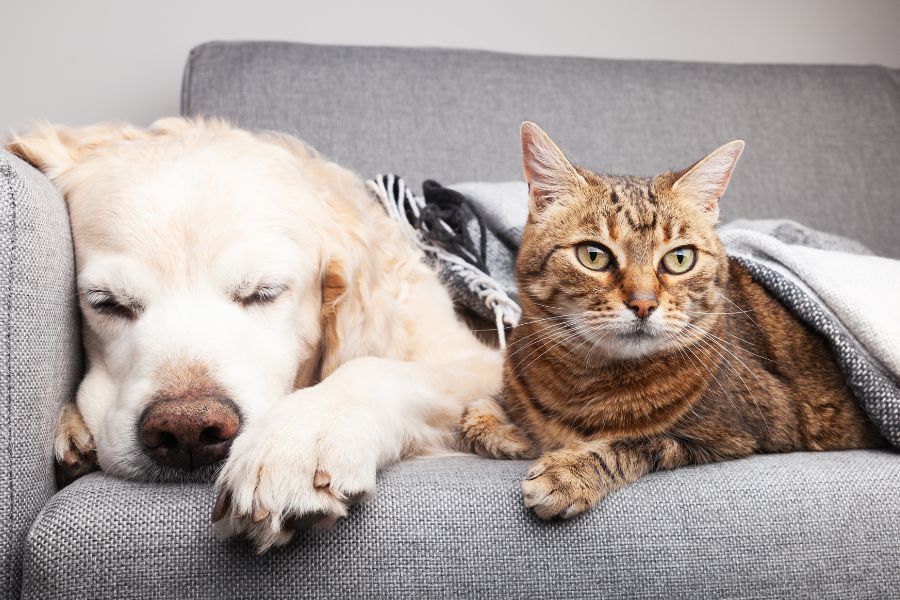
Your dog is limping badly. Your cat hasn’t eaten in two days. Something feels wrong, and you know it. An urgent pet care visit can feel overwhelming when you don’t know what to expect. Most pet owners walk through the clinic door anxious, unsure of the process, and worried about their animal. That uncertainty makes a hard moment even harder. This guide walks you through exactly what happens during an urgent pet care visit, from the moment you arrive to the time you leave with a plan. Knowing the steps ahead of time helps you stay calm, ask better questions, and advocate clearly for your pet. You are your pet’s voice in that exam room. Understanding the process makes you a more confident person.
What Is an Urgent Pet Care Visit and Why Does It Matter
An urgent pet care visit is a same-day or walk-in appointment for pets showing signs that cannot wait for a routine scheduled visit. It sits between a standard wellness check and a full emergency trauma response. Think of it as the step you take when your pet’s condition is serious but stable.
These visits matter because early intervention almost always leads to better outcomes. Conditions that seem minor, like a small wound or mild vomiting, can escalate quickly in animals. Pets are experts at hiding pain, which means by the time symptoms are visible, the issue has often been developing for hours or days.
Veterinary studies consistently show that prompt care reduces complications in a wide range of pet health conditions. Waiting even 24 hours can allow infections to spread, dehydration to worsen, or pain to intensify. Acting quickly is one of the most important things a pet owner can do.
Signs Your Pet Needs Same-Day Veterinary Attention
Recognizing the right moment to seek care is not always easy. Here are the most common signs your pet needs vet attention without delay:
- Difficulty breathing or rapid, labored breathing — This is always serious. Respiratory distress can deteriorate within minutes.
- Sudden limping or inability to bear weight — Could indicate a fracture, torn ligament, or joint injury requiring imaging.
- Vomiting or diarrhea lasting more than 12 hours — Prolonged episodes lead to dangerous dehydration, especially in small pets.
- Eye discharge, swelling, or sudden squinting — Eye conditions worsen fast. Delays can result in permanent damage.
- Lethargy combined with loss of appetite — Together, these two signs your pet needs vet evaluation are among the most reliable indicators of underlying illness.
- Visible wounds, lacerations, or suspected animal bites — Bite wounds are deceptive. The skin may close over a deep infection beneath.
In our experience, pet owners often wait too long because their pet seems calm. Animals instinctively mask discomfort. If something feels off to you, trust that instinct and call your vet.
What Happens During Your Visit: A Step-by-Step Walkthrough
Here is exactly what you can expect when you arrive for an urgent pet care visit at a veterinary clinic. Every step has a purpose, and none of them should catch you off guard.
- Check-in and intake assessment — Staff will ask about your pet’s symptoms, when they started, and any recent changes in behavior, diet, or environment. Be as specific as possible.
- Triage evaluation — A veterinary technician will take your pet’s vital signs: temperature, heart rate, respiratory rate, and weight. This determines how quickly the vet needs to see your animal.
- Veterinarian examination — The vet performs a full physical exam, checking eyes, ears, mouth, abdomen, lymph nodes, and limbs. They are building a complete picture of your pet’s health check steps from head to tail.
- Diagnostic testing if needed — Blood panels, urinalysis, X-rays, or ultrasound may be recommended based on what the exam reveals. These tests confirm or rule out specific conditions.
- Diagnosis and treatment discussion — The vet explains what they found, what it means, and what the recommended next steps are. This is your time to ask every question you have.
- Treatment begins — Depending on the diagnosis, treatment may begin immediately at the clinic. This could include fluids, medication, wound care, or stabilization.
- Discharge and home care instructions — Before you leave, staff will walk you through medications, activity restrictions, follow-up appointments, and what signs to monitor at home.
The entire pet health check steps process is designed to be thorough without being unnecessarily lengthy. Most urgent visits are resolved within one to two hours.
Is a Same-Day Vet Appointment Always Available?
Many pet owners assume they need a referral or a long wait to be seen quickly. That is not always the case. Many veterinary clinics, including those serving the Bloomingdale, GA area, offer same-day vet appointment slots specifically held for urgent cases.
Calling ahead is always the right move. A quick phone call lets staff prepare for your pet’s arrival, alert the vet to the nature of the concern, and often reduces your wait time significantly. It also gives you the chance to describe symptoms over the phone so the team knows what to expect.
A same-day vet appointment is not a lesser level of care. You receive the same diagnostic tools, the same experienced veterinarian, and the same quality of treatment as any scheduled visit. The only difference is the urgency that brought you in.
If your regular vet cannot see your pet that day, ask for a referral to a clinic in your area that can. Pets in the Bloomingdale, GA region have several options available. Do not let logistics become a reason to delay care.
How to Choose the Right Veterinary Clinic for Urgent Visits
Not every clinic handles urgent cases in the same way. When choosing where to take your pet, look for these qualities:
- Experienced staff trained in urgent and critical care
- On-site diagnostic equipment including X-ray, bloodwork, and ultrasound
- Clear communication from the moment you call
- A calm, structured intake process that prioritizes your pet’s comfort
- Transparent explanations of what is happening and why
At Pooler Veterinary Hospital, the team is trained to handle urgent cases with both clinical precision and genuine compassion. Pets and their owners are treated with care at every step of the process. Families in and around Bloomingdale trust the clinic for exactly this kind of responsive, attentive veterinary care.
When you are evaluating a clinic, do not hesitate to ask questions before your first visit. A good veterinary team welcomes them.
Conclusion
Knowing what to expect during an urgent pet care visit removes one of the biggest barriers to seeking timely help: fear of the unknown. From triage to discharge, every step of the visit is focused on one goal, and that is your pet’s wellbeing. Do not wait to see if symptoms resolve on their own when your instincts are telling you something is wrong. Pets cannot speak for themselves, but they count on you to act. Prompt veterinary care gives your animal the best possible chance at a fast, full recovery. The team at Pooler Veterinary Hospital is here to help when your pet needs it most. Book an appointment today.
At Pooler Veterinary Hospital, we provide urgent care for pets when every minute counts. Whether your dog is in sudden pain or your cat is showing signs of illness, our team is ready to help. Pet owners in and around Bloomingdale can reach us directly at (912) 748-0709. Do not wait for your pet to need attention, now.
Frequently Asked Questions
Q: What should I bring to an urgent pet care visit?
Ans: Bring any medications your pet is currently taking, a list of recent symptoms and when they started, your pet’s vaccination records if available, and a carrier or leash for safe transport. The more information you can share with the vet, the more accurate the assessment will be.
Q: How long does an urgent vet visit usually take?
Ans: Most urgent visits take between one and two hours, depending on the complexity of the condition and whether diagnostic testing is needed. Calling ahead allows the clinic to prepare, which can shorten your wait time.
Q: Can I stay with my pet during the examination?
Ans: In most cases, pet owners are welcome in the exam room during the physical examination. Some procedures or diagnostics may require your pet to be taken to a treatment area briefly. Your veterinary team will keep you informed throughout.
Q: What if my pet needs further treatment after the visit?
Ans: Your veterinarian will outline all recommended next steps before you leave. This may include follow-up appointments, specialist referrals, prescription medications, or specific home care instructions. Nothing happens without your knowledge and consent.
Q: How do I know if my pet’s condition is truly urgent or can wait for a regular appointment?
Ans: If your pet is breathing with difficulty, has not eaten or drunk water in over 24 hours, is in visible pain, has a wound, or is acting very differently from normal, seek same-day veterinary care. When in doubt, call your veterinary clinic and describe the symptoms. Staff can help you decide the right course of action.



Ready To Visit Us?
We proudly serve the pets of Pooler, Bloomingdale, Savannah, Port Wentworth, Guyton,
Chatham County, GA and the surrounding areas. At every stage of your pet’s life, we are dedicated to giving
them veterinary treatment of the highest quality.