info@poolervet.com

Why Does My Cat Stare At Me? 5 Common Reasons Explained
Request Appointment
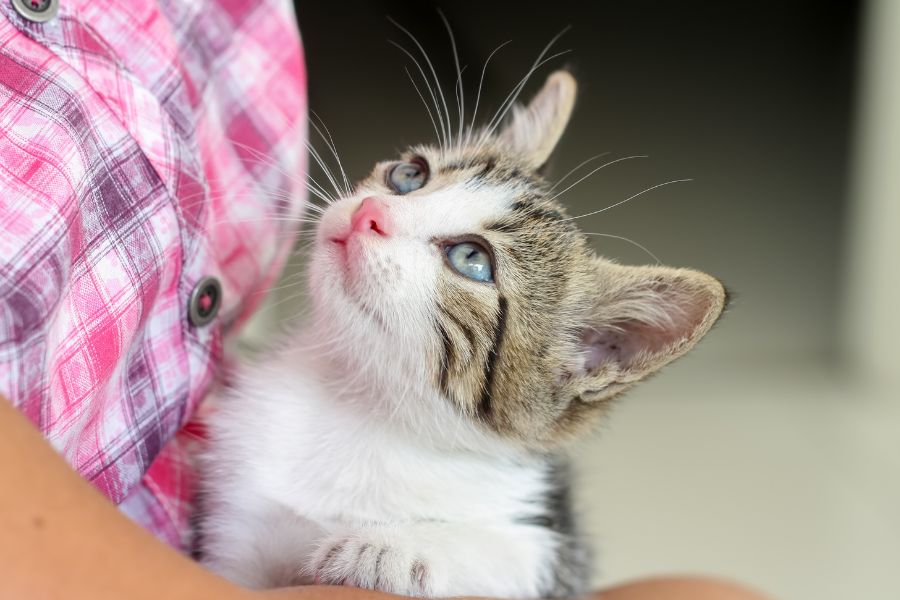
If you’ve ever caught your feline friend locking eyes with you, you’re not alone. Many pet owners wonder, “why is my cat staring at me?” Understanding cat staring behavior can reveal a lot about your pet’s emotions, needs, and even health. In this guide, we’ll break down the most common reasons behind a cat staring at its owner and when it might signal something more serious requiring veterinary care.
What Does It Mean When Your Cat Stares at You?
Cats communicate differently from dogs or humans. While they may not bark or talk, their body language, including eye contact, is a powerful communication tool.
A cat staring at me situation can mean anything from affection to curiosity or even a sign that something isn’t quite right. The key is to look at the context, such as body posture, tail movement, and vocalization.
1. Your Cat Is Showing Affection
Believe it or not, staring can be a sign of love. Cats often gaze at their owners as a way to bond and feel connected.
Signs of affection:
- Slow blinking (often called a “cat kiss”)
- Relaxed ears and whiskers
- Calm body posture
If your cat stares and then slowly blinks, try blinking back. This mimics their communication style and strengthens trust.
2. They’re Curious or Observing You
Cats are naturally curious creatures. If your cat is staring at you while you’re cooking, working, or even just scrolling on your phone, they’re likely observing your behavior.
Why cats do this:
- They want to understand your routine
- You’re part of their “territory”
- Movement grabs their attention
Many households have active indoor-outdoor pets; this curiosity often increases as cats track changes in their environment.
3. Your Cat Wants Something
One of the most common reasons for cat staring behavior is simple: your cat wants something.
Common needs include:
- Food or treats
- Fresh water
- Playtime or attention
- Access to a room or outside
If your cat stares at you around feeding time, it’s likely a learned behavior. Cats quickly associate eye contact with getting what they want.
4. They May Feel Threatened or Anxious
Not all staring is friendly. In the feline world, direct eye contact can sometimes signal tension or a challenge.
Warning signs:
- Dilated pupils
- Stiff body posture
- Tail flicking or puffing
If your cat’s stare feels intense or uncomfortable, avoid prolonged eye contact. Instead, give them space and observe their behavior.
5. It Could Be a Health Concern
Sometimes, persistent or unusual cat staring behavior may indicate a medical issue. While occasional staring is normal, changes in behavior should not be ignored.
Possible health-related causes:
- Vision problems
- Cognitive dysfunction (especially in older cats)
- Neurological conditions
- Pain or discomfort
For example, a cat staring blankly at walls or into space for long periods may need evaluation. In such cases, seeking veterinary care is essential to rule out underlying conditions.
When Should You Be Concerned?
Most of the time, a cat staring at me for a moment is harmless. However, you should consult a veterinarian if you notice:
- Sudden increase in staring behavior
- Disorientation or confusion
- Changes in appetite or activity
- Unusual vocalization along with staring
Pet owners often notice behavioral shifts during seasonal changes, which can sometimes mask early signs of illness. Don’t ignore persistent changes.
How to Respond When Your Cat Stares at You
1. Return Slow Blinks
This reassures your cat and builds trust.
2. Check Their Needs
Ask yourself:
- Is it feeding time?
- Have they had enough playtime?
- Is their litter box clean?
3. Observe Body Language
Combine eye contact with other signals to understand the full message.
4. Avoid Staring Back Aggressively
Prolonged direct eye contact can feel threatening to cats.
Understanding Your Cat’s Unique Personality
Every cat is different. Some breeds and personalities are naturally more expressive and interactive.
Factors that influence staring:
- Age (kittens vs. senior cats)
- Breed tendencies
- Past experiences
- Environment
For instance, indoor cats may stare more due to limited stimulation, while outdoor cats rely less on this behavior.
The Role of Routine and Environment
Cats thrive on routine. If your schedule changes, your cat may stare more as they try to understand or adapt.
Tips to reduce excessive staring:
- Maintain consistent feeding times
- Provide interactive toys
- Create a stimulating indoor environment
- Spend quality time daily
In areas where pets often experience both indoor comfort and outdoor exposure, maintaining routine is especially important for emotional stability.
When Veterinary Care Is Essential
While most cases of a cat staring at its owner are harmless, it’s always better to be cautious when behavior changes suddenly.
A professional evaluation can help identify:
- Early signs of illness
- Behavioral issues
- Age-related conditions
At Pooler Veterinary Hospital, pet owners are encouraged to monitor subtle behavioral changes like unusual staring, as these can be early indicators of health concerns.
Conclusion
So, why does your cat stare at you? It could be love, curiosity, a request, or even a subtle sign of discomfort. Understanding cat staring behavior helps you build a stronger bond with your pet while also ensuring their well-being.
If you are a cat parent in Bloomingdale and your cat’s behavior changes or seems unusual, don’t ignore it. Early attention can make a big difference. If you’re concerned, schedule a visit with Pooler Veterinary Hospital and ensure your feline companion stays happy and healthy.
FAQs
Q1: Why does my cat stare at me without blinking?
Ans: Cats may stare without blinking when they’re focused, curious, or assessing a situation. It’s usually normal unless paired with signs of stress or illness.
Q2: Is it bad to stare back at my cat?
Ans: Direct staring can feel threatening to cats. Instead, use slow blinking to communicate friendliness and trust.
Q3: Why does my cat stare at me while I sleep?
Ans: Your cat may be watching you out of curiosity, routine, or because they’re waiting for you to wake up and feed them.
Q4: Can staring be a sign my cat is sick?
Ans: Yes, excessive or unusual staring—especially with confusion or behavior changes—may indicate a health issue requiring veterinary care.
Q5: How do I know if my cat wants something when staring?
Ans: Look for patterns. If staring happens near feeding time or when they want attention, it’s likely a learned behavior to communicate their needs.


Ready To Visit Us?
We proudly serve the pets of Pooler, Bloomingdale, Savannah, Port Wentworth, Guyton,
Chatham County, GA and the surrounding areas. At every stage of your pet’s life, we are dedicated to giving
them veterinary treatment of the highest quality.