info@poolervet.com

The Complete Guide to Flea, Tick, and Heartworm Prevention for Dogs and Cats
Request Appointment
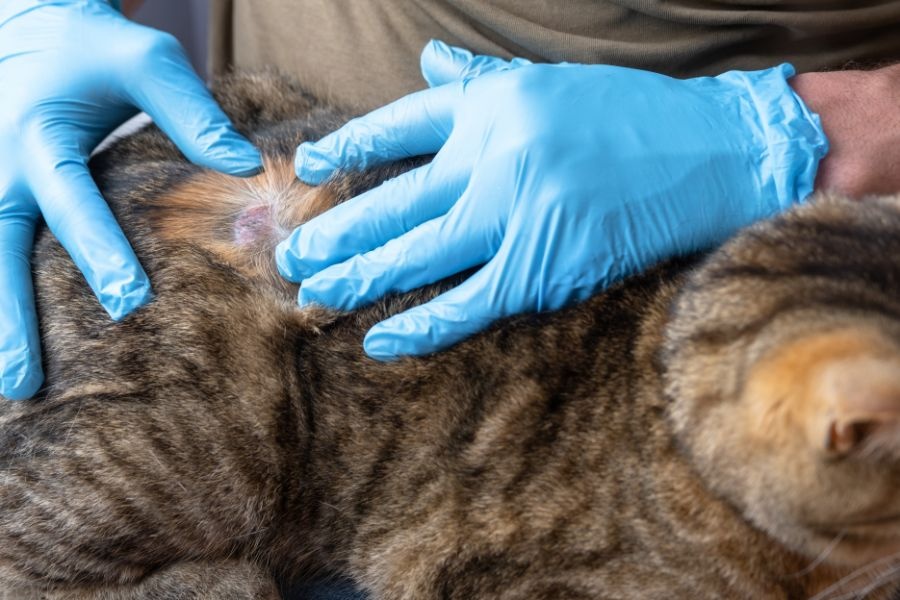
If you share your home with a dog or a cat, you already know that warm, humid Southern weather is paradise for parasites. Fleas, ticks, and heartworms are active throughout much of the year in our region, and a single missed dose of flea, tick, and heartworm prevention can leave your pet exposed to serious, sometimes life-threatening conditions. The good news? Prevention is straightforward, affordable, and far easier than treatment. This guide covers everything pet owners need to know to keep their dogs and cats protected year-round.
Why Parasite Prevention Matters Year-Round in the Southeast
In colder climates, pet owners sometimes take a break from parasite prevention during winter. In the Savannah area and across coastal Georgia, that’s a mistake. Flea populations survive mild winters, ticks remain active even on cool days, and mosquitoes, the primary vector for heartworm transmission, are a near year-round presence in low-country environments.
Year-round parasite protection is not just a recommendation from your veterinarian. It reflects the reality of our local environment. At Pooler Veterinary Hospital, we consistently see cases of flea infestations, tick-borne illness, and preventable heartworm infections in pets whose owners paused prevention during cooler months, assuming the risk had passed. It hadn’t.
Parasite prevention is also cumulative. Missing even one month creates a gap during which fleas can establish a full household infestation, a tick can transmit Lyme disease or ehrlichiosis within 24 to 48 hours of attachment, or a heartworm larva can begin developing in your pet’s bloodstream.
How Do You Know If Your Pet Has Fleas?
Flea infestations are among the most common reasons pets visit the vet, and catching them early makes a significant difference in how quickly and easily you can resolve the problem. The most reliable signs of fleas on pets include intense scratching, especially at the base of the tail, neck, and belly; small dark specks (flea dirt) in the coat that turn reddish-brown when wet; and small, fast-moving insects visible on the skin when you part the fur.
For cats, especially, excessive grooming or hair loss along the lower back and tail base is a strong indicator. Some pets develop flea allergy dermatitis, a skin reaction to flea saliva that causes red, inflamed patches even when only a few fleas are present. If you notice any of these signs of fleas on pets, contact your veterinarian promptly and check your home and any other pets at the same time, because where there’s one flea, there are hundreds more in the environment.
Understanding Heartworm Disease in Dogs and Cats
Heartworm disease is caused by a parasitic worm transmitted through the bite of an infected mosquito. In dogs, larvae develop into adult worms that live in the heart and lungs, causing progressive damage over time. Symptoms can include a persistent cough, reduced exercise tolerance, fatigue, and weight loss. Without treatment, heartworm disease in dogs can be fatal.
Effective heartworm prevention for dogs involves a monthly preventive available as a chewable tablet, topical application, or injectable that eliminates larvae before they can mature into adult worms. The AVMA recommends year-round heartworm prevention for all dogs, regardless of lifestyle or geography. Here in Bloomingdale and across Chatham County, mosquito exposure is nearly unavoidable, making consistent prevention especially important.
Cats are less common hosts for heartworm, but are still at risk, and, importantly, there is no approved treatment for heartworm disease in cats. Prevention is the only reliable protection. Your veterinarian can recommend a cat-safe preventive that addresses heartworm, along with other common parasites.
Tick Prevention for Cats and Dogs: What You Need to Know
Ticks are not just an inconvenience. They transmit diseases, including Lyme disease, Rocky Mountain spotted fever, and ehrlichiosis, all of which can cause serious illness in both pets and people. Tick prevention for cats requires a different approach than for dogs, because many tick products formulated for dogs contain permethrin, a compound that is highly toxic to cats.
This is one reason it’s so important to purchase parasite preventives only from your veterinarian or a trusted veterinary source, and never to apply a dog product to a cat. Your vet can recommend species-appropriate options that are safe, proven, and suited to your pet’s specific health history. For dogs in our area, several highly effective tick preventives are available in both oral and topical forms, offering varying lengths of protection.
Tick prevention for cats is often best achieved through veterinarian-approved spot-on products. Regular tick checks after outdoor time are also valuable, particularly during warmer months when your cat may spend more time outside.
Choosing the Right Prevention Products for Your Pet
With so many parasite prevention products available from monthly chewables to quarterly injectables to combination topicals, it can be hard to know what’s right for your individual pet. The best approach is always a conversation with your veterinarian, who can take into account your pet’s age, weight, health history, lifestyle, and any concurrent medications before making a recommendation.
Year-round parasite protection is most effective when it addresses multiple parasites in a single product. Many modern preventives cover fleas, ticks, heartworm, and intestinal parasites simultaneously, which simplifies your routine and reduces the chance of a missed treatment. Some combination products are not appropriate for every pet; however, a dog with certain genetic variants or a cat with specific sensitivities may need a tailored plan.
At Pooler Veterinary Hospital, we have a veterinarian-recommended parasite preventive care plan and are happy to walk you through the options at your next visit. We serve pets throughout Bloomingdale, Pooler, Savannah, and the surrounding areas, and our team is experienced in the specific parasite pressures our region presents.
Protect Your Pet Starting Today
Consistent flea, tick, and heartworm prevention is one of the most important things you can do to safeguard your pet’s long-term health. Parasites in our area are active, diverse, and capable of causing significant illness, but they are also highly preventable with the right products and a reliable routine. Whether you’re establishing a prevention plan for a new puppy or kitten or revisiting your current routine, the team at Pooler Veterinary Hospital is here to help. Call us at (912) 748-0709 or request an appointment online to find the right parasite prevention plan for your dog or cat.
Frequently Asked Questions
Can indoor-only cats get fleas or heartworms?
Ans: Yes. Fleas can hitchhike indoors on clothing, shoes, or other pets. Mosquitoes regularly enter homes through screens and open doors. Indoor-only cats are at lower risk but are not risk-free, and many veterinarians recommend year-round prevention for all cats.
How often should my dog be tested for heartworm?
Ans: Most veterinarians recommend an annual heartworm test for dogs, even when they are on consistent preventive medication. This allows early detection in the rare event that a dose was missed or a preventive failed.
Is it safe to give my dog a flea and tick preventive every month?
Ans: For most healthy dogs, yes, monthly preventives that have been approved by your veterinarian are designed for regular, ongoing use. Your vet will choose a product appropriate for your pet’s size and health status.
What should I do if I find a tick on my pet?
Ans: Remove it promptly using fine-tipped tweezers or a tick removal tool, gripping as close to the skin as possible. Clean the area with antiseptic and monitor your pet for signs of illness over the following weeks. Contact your veterinarian if you notice lethargy, fever, joint swelling, or loss of appetite.
Can I use leftover flea and tick medication from one pet on another?
Ans: No. Products are formulated and dosed specifically by species and body weight. A dog product used on a cat can be fatal. Always use products as directed by your veterinarian.
Related Articles

Ready To Visit Us?
We proudly serve the pets of Pooler, Bloomingdale, Savannah, Port Wentworth, Guyton,
Chatham County, GA and the surrounding areas. At every stage of your pet’s life, we are dedicated to giving
them veterinary treatment of the highest quality.