info@poolervet.com

Your Cat Surgery Aftercare Checklist: A Vet-Approved Guide
Request Appointment
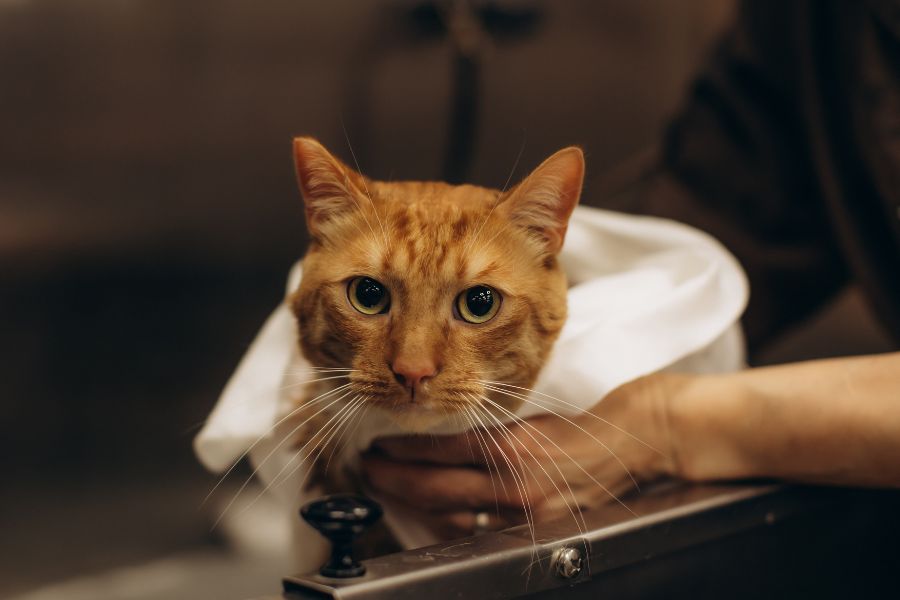
When your cat comes home after surgery, the real healing process begins. Proper cat surgery aftercare is essential to prevent complications, reduce pain, and help your pet recover safely. Many pet owners feel unsure about what to do during the first few days after a procedure.
In this guide, we will walk through a vet-approved cat surgery aftercare checklist, including how to manage your cat’s environment, monitor healing, give medications correctly, and recognize warning signs during recovery. These practical cat surgery recovery tips will help ensure a smoother and safer healing process for your feline companion.
What to Expect After Your Cat’s Surgery
Most cats feel sleepy, confused, or slightly uncoordinated after anesthesia. This is normal and typically improves within 24 hours. However, proper cat post-surgery care is critical during this period.
Common post-surgery symptoms include:
- Mild grogginess or sleepiness
- Reduced appetite for the first day
- Temporary balance issues
- Minor swelling near the incision site
Your veterinarian will usually send home detailed instructions. Following them closely is the most important part of cat after surgery care.
Create a Safe Recovery Space
One of the most important cat surgery recovery tips is setting up a quiet, comfortable recovery area.
Cats need rest to heal, and limiting movement can prevent stitches from reopening.
How to prepare a recovery area
Choose a calm location away from children and other pets. The space should include:
- A clean, soft bed or blanket
- Easy access to food and water
- A litter box nearby
- Minimal noise and activity
Avoid allowing your cat to jump on furniture or climb stairs during the early stages of cat surgery aftercare. If necessary, keep your cat in a small room or a large crate for a few days.
Monitor the Surgical Incision Daily
Checking the incision site is one of the most important steps in cat post-surgery care.
A healthy incision typically looks:
- Clean and dry
- Slightly pink around the edges
- Free from discharge or strong odor
Signs of normal healing
After surgery care, mild swelling or slight redness can occur during the first couple of days.
Warning signs to watch for
Contact your veterinarian if you notice:
- Excessive redness or swelling
- Pus or unusual discharge
- Bleeding from the incision
- Foul smell
- Open stitches
Monitoring the incision daily helps catch potential infections early.
Prevent Your Cat from Licking the Incision
Cats naturally groom themselves, but licking or chewing the surgical site can cause infection or reopen stitches.
Veterinarians usually recommend using an Elizabethan collar (E-collar) to protect the incision.
Other protective options
Some cats tolerate alternative recovery gear better, such as:
- Soft recovery collars
- Surgical recovery suits
- Protective pet shirts
Keeping the incision protected is a crucial part of effective cat surgery aftercare.
Follow Medication Instructions Carefully
Your veterinarian may prescribe medications to help manage pain, prevent infection, and reduce inflammation.
Common medications include:
- Pain relievers
- Antibiotics
- Anti-inflammatory medications
Never give human medications to your cat. Many over-the-counter drugs can be toxic to felines.
Tips for giving medication
Administering medication is a major part of cat post-surgery care, and these tips can help:
- Hide pills in soft treats or food
- Use a pill dispenser tool
- Follow the exact dosage schedule
Completing the full course of medication helps ensure a smooth cat surgery recovery.
Monitor Eating, Drinking, and Bathroom Habits
Your cat may not feel like eating immediately after surgery, but appetite should return within 24 hours.
After surgery care for your cat, monitor:
- Food intake
- Water consumption
- Urination
- Bowel movements
When to call the vet
Contact your veterinarian if your cat:
- Refuses food for more than 24 hours
- Vomits repeatedly
- Has difficulty urinating
- Has diarrhea lasting more than a day
Tracking these behaviors helps identify recovery issues early.
Limit Activity During Recovery
Too much movement can delay healing or damage stitches.
A key part of cat surgery recovery tips is restricting physical activity.
Activities to avoid
During the recovery period, your cat should avoid:
- Jumping on counters or furniture
- Running or rough play
- Climbing cat trees
- Outdoor activity
Most cats need 10 to 14 days of reduced activity after surgery. Your veterinarian will confirm when normal activity can safely resume.
Keep the Litter Box Clean
A clean litter box plays a bigger role in cat surgery aftercare than many owners realize.
Dirty litter can introduce bacteria that may infect surgical wounds.
Helpful litter box tips
For safer cat post-surgery care, consider:
- Cleaning the litter box daily
- Using dust-free litter
- Avoiding clumping litter if recommended by your vet
Some veterinarians suggest using shredded paper or pellet litter temporarily to prevent debris from sticking to the incision.
Watch for Signs of Pain or Complications
Cats often hide pain, so subtle behavior changes may indicate discomfort.
Signs your cat may be experiencing pain include:
- Hiding more than usual
- Reduced appetite
- Aggression when touched
- Vocalizing or whining
- Lethargy
If you notice these symptoms in your cat after surgery, contact your veterinarian for guidance.
Schedule and Attend Follow-Up Visits
Post-surgery checkups are an essential part of cat surgery recovery tips.
Your veterinarian may schedule a follow-up appointment to:
- Check incision healing
- Remove stitches or staples
- Monitor overall recovery
Even if your cat appears to be healing well, attending these visits ensures proper cat surgery aftercare and reduces the risk of complications.
Conclusion
Helping your cat recover after surgery requires patience, attention, and proper care. By following a clear cat surgery aftercare routine, you can support healing, prevent infection, and keep your pet comfortable during recovery.
Creating a quiet recovery space, protecting the incision, administering medications correctly, and limiting activity are all essential steps. If you ever notice unusual symptoms or changes in behavior, contacting your veterinarian quickly can prevent serious complications.
For professional guidance and the best cat surgery hospital in Bloomingdale, Pooler Veterinary Hospital is always ready to help ensure your cat’s recovery is safe and smooth. Schedule an appointment today!
FAQs
Q1: How long does cat surgery recovery usually take?
Ans: Most cats recover from routine procedures within 10 to 14 days, although full healing may take longer depending on the surgery type.
Q2: Is it normal for my cat to sleep a lot after surgery?
Ans: Yes. Sleepiness is common after anesthesia and during early recovery. However, extreme lethargy lasting more than 48 hours should be discussed with your veterinarian.
Q3: When can my cat remove the cone after surgery?
Ans: Your cat should wear the cone until the incision fully heals, usually about 10 to 14 days, unless your veterinarian advises otherwise.
Q4: What should a normal cat surgery incision look like?
Ans: A healthy incision should appear clean, slightly pink, and free from discharge, swelling, or strong odors.
Q5: Can my cat jump after surgery?
Ans: Jumping should be avoided for at least 10 to 14 days during recovery, as it can reopen stitches or delay healing.
Related Articles

Ready To Visit Us?
We proudly serve the pets of Pooler, Bloomingdale, Savannah, Port Wentworth, Guyton,
Chatham County, GA and the surrounding areas. At every stage of your pet’s life, we are dedicated to giving
them veterinary treatment of the highest quality.