info@poolervet.com

How to Introduce Your Pet to Holiday Houseguests Safely
Request Appointment
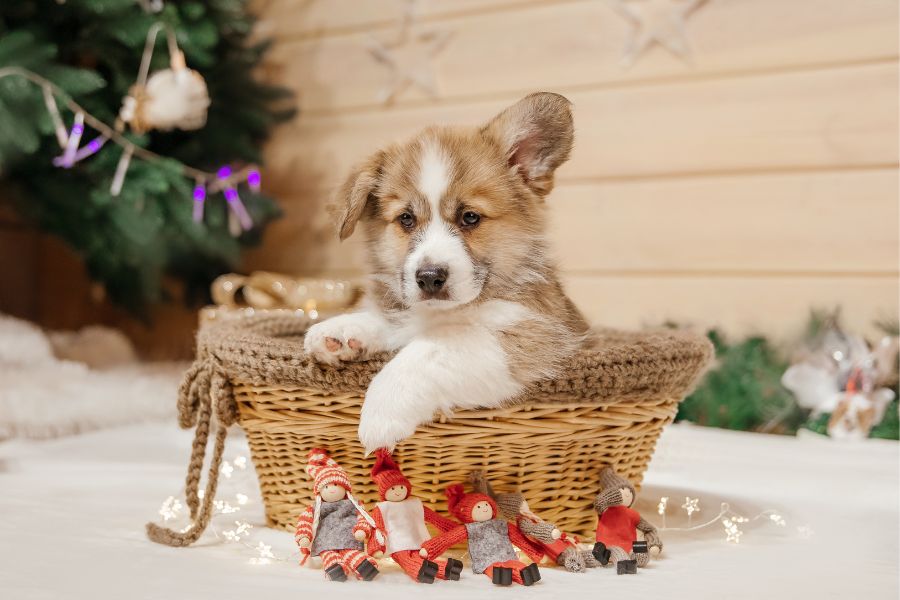
The holidays often mean a full house, new faces, and changes to your pet’s routine. Knowing how to introduce pets to guests the right way can reduce stress, prevent accidents, and keep everyone comfortable. This guide shares practical, veterinarian-approved strategies to help you manage holiday gatherings while ensuring safe and positive interactions for your pet and your visitors.
Why Holiday Gatherings Can Be Stressful for Pets
Holiday celebrations are exciting for people, but they can be overwhelming for pets. Dogs and cats rely on routine, familiar scents, and predictable environments. When houseguests arrive, those comforts are disrupted.
Common stressors include:
- Loud conversations, music, or children playing
- Unfamiliar smells and people entering their space
- Changes to feeding, walking, or sleeping schedules
- Guests who may not understand pet body language
Understanding these stress triggers is the first step toward safe pet guest interactions.
Preparing Your Pet Before Guests Arrive
Preparation sets the tone for successful holiday pet socialization tips. A calm introduction begins well before the doorbell rings.
Maintain Your Pet’s Routine
Try to keep feeding times, walks, and play sessions as normal as possible. Familiar routines help your pet feel secure during busy days.
Create a Safe Space
Designate a quiet room or crate where your pet can retreat when things get overwhelming. Include:
- Their bed or blanket
- Favorite toys
- Water and treats
This space should be off-limits to guests unless you invite them in.
Exercise Before the Event
A well-exercised pet is typically calmer and more relaxed. Take dogs for a long walk or engage in playtime before guests arrive to release excess energy.
How to Introduce Pets to Guests Calmly
First impressions matter when you introduce pets to guests. Rushing the process can lead to fear-based reactions or unwanted behaviors.
Keep Initial Introductions Controlled
- Keep dogs on a leash during first greetings.
- Allow your pet to approach guests at their own pace.
- Avoid forcing interactions, especially hugs or direct eye contact.
Coach Your Guests Ahead of Time
Let guests know how to interact safely by asking them to:
- Speak calmly and avoid sudden movements
- Let the pet sniff them before petting
- Avoid feeding table scraps or treats without permission
Clear communication supports safe pet guest interactions from the start.
Reading Your Pet’s Body Language
Pets communicate discomfort long before they growl or snap. Recognizing early signs of stress helps prevent incidents.
Signs of Stress in Dogs
- Yawning, lip licking, or pacing
- Tail tucked or stiff posture
- Avoiding eye contact
- Excessive barking or whining
Signs of Stress in Cats
- Flattened ears or a flicking tail
- Hiding or crouching
- Hissing or swatting
- Dilated pupils
If you notice these signals, give your pet space and redirect them to their safe area.
Managing Interactions During the Gathering
Once introductions are complete, ongoing supervision is key, especially in busy holiday settings.
Set Boundaries for Guests
Remind guests to:
- Avoid waking sleeping pets
- Supervise children closely around animals
- Respect your pet’s safe space
Monitor Food and Decorations
Holiday foods and décor can pose serious risks. Keep pets away from:
- Chocolate, alcohol, onions, and cooked bones
- Tinsel, ornaments, and lit candles
- Wrapping paper and ribbons
Preventing access reduces emergencies and keeps the environment safe.
Special Considerations for Shy or Reactive Pets
Not all pets enjoy social settings, and that is okay. Holiday pet socialization tips should always match your individual pet’s personality.
Use Gradual Exposure
For anxious pets, start with short, positive interactions and increase exposure slowly over time. Reward calm behavior with treats or praise.
Consider Management Over Socialization
In some cases, keeping your pet separated from guests is the safest option. This approach prevents stress and protects everyone involved.
Consult Your Nearest Veterinarian
If your pet has ongoing anxiety or reactivity, professional guidance can help. Behavioral training, calming supplements, or medication may be recommended depending on your pet’s needs.
Teaching Guests How to Interact With Pets Safely
Guests often mean well, but they may not understand animal behavior. Taking a few moments to guide them makes a big difference.
Helpful tips to share:
- Ask permission before petting
- Avoid teasing or rough play
- Let the pet initiate contact
- Stop interaction if the pet walks away
Educating guests promotes respectful, safe pet guest interactions throughout the visit.
When to Seek Professional Advice
If your pet consistently struggles around visitors, it may be time to seek expert help. A veterinarian or trainer can assess whether anxiety, fear, or underlying health issues are contributing to the behavior.
Searching for a veterinarian near me before the holiday rush ensures you have support if concerns arise. Early intervention can make future gatherings more enjoyable for both you and your pet.
Introducing your pet to holiday houseguests safely requires planning, patience, and awareness of your pet’s comfort level. By preparing ahead, managing introductions thoughtfully, and respecting your pet’s boundaries, you can create a positive experience for everyone involved. If you are conveniently located in Bloomingdale, GA, and looking for trusted guidance on pet behavior, stress management, or preventive care, Pooler Veterinary Hospital is dedicated to helping pets and families enjoy healthier, happier holidays together.
FAQs
Q1: How do I introduce pets to guests for the first time?
Ans: Start with calm, controlled introductions, allow your pet to approach at their own pace, and avoid forcing interaction.
Q2: What are the best holiday pet socialization tips for anxious pets?
Ans: Maintain routines, provide a safe space, use gradual exposure, and consider professional guidance if anxiety persists.
Q3: How can I ensure safe pet guest interactions during parties?
Ans: Supervise interactions, educate guests on pet boundaries, and monitor food and decorations closely.
Q4: Should I keep my pet away from guests if they seem stressed?
Ans: Yes, giving your pet a quiet retreat can prevent stress and reduce the risk of negative behavior.
Q5: When should I contact a veterinarian near me about pet anxiety?
Ans: If your pet shows ongoing fear, aggression, or distress around guests, consult a veterinarian for behavior and wellness support.
Related Articles

Ready To Visit Us?
We proudly serve the pets of Pooler, Bloomingdale, Savannah, Port Wentworth, Guyton,
Chatham County, GA and the surrounding areas. At every stage of your pet’s life, we are dedicated to giving
them veterinary treatment of the highest quality.