info@poolervet.com

Storm Anxiety in Pets: Signs and How to Help
Request Appointment
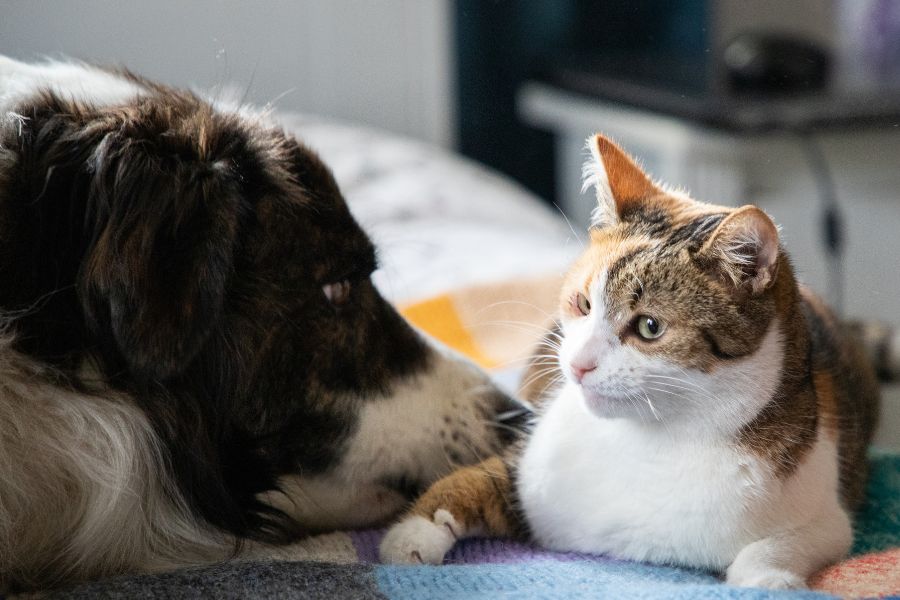
Does your dog pace and whine the moment dark clouds roll in, or does your cat vanish under the bed before you even hear thunder? Storm anxiety in pets is one of the most common behavioral concerns pet owners bring up, and it can leave both you and your pet feeling helpless. Dogs and cats can pick up on shifts in barometric pressure, static electricity, and wind long before a storm hits, which triggers real fear responses in their bodies. This article covers the signs of storm anxiety, what causes it, and practical ways to help your pet feel safer. Understanding what your pet is experiencing is the first step toward calming those stressful moments together.
Understanding Storm Anxiety in Dogs and Cats
Storm anxiety is a fear response triggered by thunder, lightning, heavy rain, and even the changes in air pressure that come before a storm arrives. It is not simply a dislike of loud noises. Dogs and cats can sense storms through smell, static in their fur, and shifts in barometric pressure well before humans notice anything.
Dog anxiety during storms is estimated to affect a significant portion of the pet dog population, with some veterinary behavior sources citing figures as high as one in three dogs showing some level of storm-related fear. Cats tend to hide their fear more subtly, which often means it goes unnoticed for years.
Left unaddressed, storm anxiety can worsen over time. A dog that once simply paced during storms may begin destroying furniture or attempting to escape the yard.
Signs and Symptoms to Watch For
Recognizing the signs early makes it much easier to help your pet before the fear escalates. Common signs include:
- Pacing, panting, or drooling before or during a storm
- Hiding, especially in closets, bathrooms, or under furniture
- Destructive behavior like scratching doors or chewing furniture
- Trembling, whining, or excessive vocalization
- Attempts to escape the house or yard during a storm
- Clinginess or seeking constant physical contact with their owner
If you notice any of these signs, contact your nearest veterinarian promptly. In our experience, many pet owners assume these behaviors are simple quirks when they are actually clear signals of distress that deserve attention.
Causes and Risk Factors
Several factors influence why one dog trembles through a storm while another sleeps right through it. Genetics play a role, as some breeds are naturally more sound-sensitive or anxious by temperament. Herding breeds, in particular, often show heightened reactions to loud noises and pressure changes.
Age and past experience matter too. A dog or cat with limited exposure to storms as a young pet, or one that experienced a frightening event during a storm, may develop stronger fear responses later in life. Older pets with hearing or vision changes can also become more anxious during unpredictable events like storms.
In coastal Georgia, we see this more often because thunderstorms are frequent and intense during the warmer months, giving pets repeated exposure to the exact triggers that cause anxiety.
How Storm Anxiety Is Diagnosed and Managed
Diagnosing storm anxiety usually starts with a conversation about your pet’s behavior patterns and a physical exam to rule out other medical causes for restlessness or pacing. Your veterinarian will want a clear picture of when the anxiety happens and how severe it gets.
Management typically follows these steps:
- Your vet reviews your pet’s history and confirms storm anxiety versus other causes of anxious behavior.
- A management plan is created, which may include behavioral tools, environmental changes, or medication for more severe cases.
- Your vet monitors progress and adjusts the plan as needed over time.
Many dogs we see for severe storm anxiety respond well once a consistent plan is in place, especially when environmental changes are paired with behavioral techniques. Cat anxiety during storms often responds well to safe hiding spaces combined with calm, predictable routines.
How Can I Calm My Dog During a Storm?
Create a safe, enclosed space like a crate or small room, use white noise or calming music to mask thunder, and stay calm yourself since pets pick up on your energy. A snug-fitting anxiety wrap can also help some dogs feel more secure during a storm.
Prevention and Home Care Tips
While you cannot prevent storms, you can reduce how much they affect your pet with a few consistent habits:
- Create a designated safe space your pet can access anytime, not just during storms
- Use calming aids such as pheromone diffusers or anxiety wraps
- Practice desensitization with recorded thunder sounds during calm periods
- Keep windows and curtains closed to reduce flashes of lightning
- Stick to a predictable daily routine to lower overall stress levels
One misconception we hear often is that comforting a scared pet will reinforce their fear. In reality, calm reassurance does not make anxiety worse. It helps your pet feel supported during a genuinely frightening experience. Pooler Veterinary Hospital works with pet owners to build management plans tailored to each pet’s needs.
Storm anxiety in pets is a real and manageable condition once you understand the signs and causes behind it. Watching for early symptoms, whether pacing, hiding, or clinginess, allows you to step in before the fear intensifies. Simple home strategies like safe spaces and calming aids make a meaningful difference for many pets, while more severe cases benefit from a veterinary management plan. The team at Pooler Veterinary Hospital is here to help you find the right approach for your dog or cat. Book an appointment today.
Frequently Asked Questions
Q: What causes storm anxiety in dogs and cats?
Ans: Storm anxiety is triggered by thunder, lightning, and changes in barometric pressure that pets sense before a storm arrives. Genetics, past experiences, and age can all make some pets more prone to this fear response.
Q: How do I know if my dog has storm anxiety?
Ans: Common signs include pacing, panting, hiding, trembling, and attempts to escape during storms. If these behaviors appear consistently around storms, it is worth discussing with your veterinarian.
Q: Can cats have storm anxiety too?
Ans: Yes, cats can experience storm anxiety, though it often shows up as hiding or unusual quietness rather than obvious distress. Because cats hide fear well, owners may not notice it right away.
Q: Is it okay to comfort my pet during a storm?
Ans: Yes, calmly comforting your pet during a storm does not reinforce fear. It provides reassurance during a stressful experience and can help your pet feel safer over time.
Q: When should I see a vet about my pet’s storm anxiety?
Ans: You should contact your veterinarian if your pet’s anxiety is severe, worsening, or leading to destructive or escape behaviors. A vet can help create a management plan suited to your pet’s needs.


Ready To Visit Us?
We proudly serve the pets of Pooler, Bloomingdale, Savannah, Port Wentworth, Guyton,
Chatham County, GA and the surrounding areas. At every stage of your pet’s life, we are dedicated to giving
them veterinary treatment of the highest quality.