info@poolervet.com

8 Vet-Approved Grooming Hacks Every Pet Owner Should Know
Request Appointment
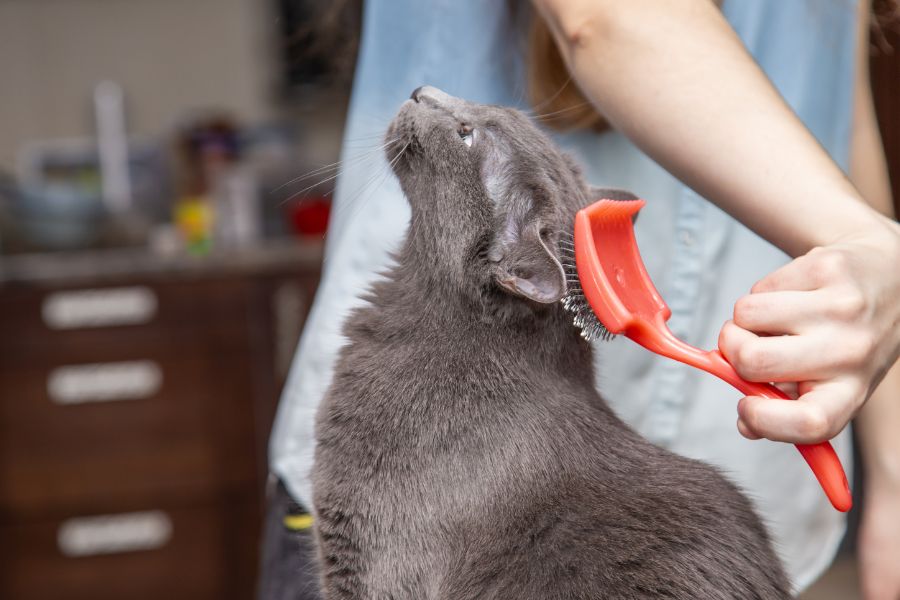
Taking good care of your pets includes grooming, which is essential not just for their appearance but also for their health. Many pet owners find grooming challenging because dogs and cats have different needs. By removing tangles and caring for their skin, you can make the process easier and more pleasant. Let’s look at 8 simple pet grooming tips recommended by veterinarians. These tips are designed to help your pets feel their best and make grooming sessions more comfortable for both of you.
1. The Importance of Regular Brushing
Brushing your pet’s fur is a simple and effective way to prevent mats and tangles from forming. Regular brushing for both dogs and cats can help reduce shedding, keep their coats shiny, and improve blood flow to the skin. It is essential to adjust your brushing routine based on your pet’s coat type, as not all pets need the same frequency.
- Short-haired dogs and cats: Brush once a week.
- Long-haired dogs: Brush every day to prevent tangles.
- Cats: Some may require more frequent brushing, especially those with long hair, to keep their coats healthy.
A primary focus in dog and cat grooming tips is choosing the right brush. A bristle brush is effective for pets with short hair, while a wide-tooth comb is better suited for long-haired animals to prevent pulling and discomfort.
2. Use a Pet-Specific Shampoo
When bathing your pet, it is vital to use an animal-specific shampoo, as human shampoo can be too strong and cause skin irritation. There are different kinds of pet shampoos suitable for various skin types and fur lengths. If your pet has sensitive skin or allergies, choose a gentle, hypoallergenic, or oatmeal-based shampoo. After bathing, make sure to rinse thoroughly to remove all soap residue, which can lead to itching or discomfort.
3. Nail Care Is Vital for Comfort
Trimming your pet’s nails is an integral part of keeping them comfortable and healthy. When nails grow too long, they can cause discomfort and even lead to joint stress, making walking difficult. If you are new to trimming nails, it is a good idea to get advice from your veterinarian or a professional groomer. Pets that spend a lot of time outside tend to wear down their nails naturally, but it is still necessary to regularly check them to ensure they are not too long.
Tip: Trim your pet’s nails every 3-4 weeks.
4. Dental Hygiene Is Just as Important
Pets need regular dental care to prevent bad breath, gum infections, and other health problems. Although brushing your pet’s teeth might seem difficult at first, it is an integral part of their overall grooming routine. Begin slowly, using a pet toothbrush and pet toothpaste to help them get used to the process. Many pets enjoy chewing dental treats, which can also support their oral health.
Tip: Brush your pet’s teeth at least 2-3 times a week.
5. Keep Their Ears Clean
Taking good care of your pet’s ears is an essential part of their grooming routine, especially for breeds with floppy ears. Buildup of wax and dirt can lead to infections, so it is vital to clean your pet’s ears regularly using a solution recommended by your veterinarian. It is best to avoid using cotton swabs, as they can push debris further into the ear canal and cause issues.
Tip: If you live near local parks, be mindful of increased exposure to dirt and debris.
6. Avoid Over-Bathing
Bathing your pet is essential, but washing too often can strip their natural oils, leading to dry skin and irritation. For most pets, a bath every four to six weeks is enough, depending on how active they are and their coat type. If your pet gets dirty more often, try cleaning small areas with a damp cloth instead of giving a full bath.
7. Be Mindful of Seasonal Grooming Needs
Where summers are warm and winters are cold, pets often need different grooming care throughout the year. During the summer months, trimming your pet’s fur can help them stay cool, while in winter, you should pay extra attention to their paws and coat to keep them comfortable. Taking these steps ensures your pet stays healthy and happy regardless of the season.
Tip: After winter walks, it is essential to clean your pet’s paws to remove any salt or de-icers from the streets, as these substances can be harmful to your pet’s health.
8. Professional Grooming Is a Must
While taking care of your pet’s grooming at home is essential, seeking help from a professional groomer can be beneficial, especially if your pet has specific needs. If your breed requires regular trims or your pet is uncomfortable with brushing, visiting a local groomer is a good cat and dog grooming hack. A professional groomer can handle tasks like trimming the coat, treating fleas, and cleaning ears, which can be challenging to do on your own.
Keep Your Pet Healthy and Happy with Regular Grooming
Grooming is more than just about how your pet looks. It helps keep your pet comfortable, healthy, and happy. Regular grooming can also prevent health issues and improve your pet’s overall well-being.
If you’re seeking advice from a pet expert, contact Pooler Veterinary Hospital in Bloomingdale, GA. Our team provides personalized care and helpful tips to keep your pets healthy and happy year-round. Let us help you ensure your furry friend always looks and feels their best.
Frequently Asked Questions
1. Why is my pet’s coat shedding excessively?
Excessive shedding can occur due to seasonal changes, diet, allergies, or stress. Ensure your pet is eating a well-balanced diet rich in Omega-3 Fatty Acids for coat health. Regular brushing can help manage shedding. If shedding persists or worsens, consult your vet to rule out underlying conditions.
2. Can grooming help with my dog’s anxiety?
Yes, grooming can have a calming effect on dogs, especially if done regularly. Brushing or a gentle bath can provide relaxation through physical contact. However, if your dog experiences severe anxiety during grooming, consider speaking with a vet to address the issue and find solutions.
3. Can I use baby wipes on my dog?
While baby wipes are safe for occasional use, it’s better to use pet-specific wipes designed for cleaning dogs. Baby wipes contain chemicals that could irritate your dog’s skin. Opt for pH-balanced wipes for pets that are free of harmful fragrances or alcohol to ensure safety.
4. My dog has matted fur. How can I untangle it?
If your dog’s fur is matted, gently work through the tangles with a wide-toothed comb or mat splitter. Start at the ends and move upward. For severe mats, it’s best to take your dog to a groomer who can carefully remove them without causing discomfort or skin damage.
5. How do I keep my pet’s teeth healthy?
Brushing your pet’s teeth regularly is the most effective way to prevent dental disease. Use pet-safe toothpaste and an animal toothbrush. Dental chews can also help reduce plaque. Regular vet checkups will ensure any dental issues are addressed early, keeping your pet’s mouth fresh and healthy.


Ready To Visit Us?
We proudly serve the pets of Pooler, Bloomingdale, Savannah, Port Wentworth, Guyton,
Chatham County, GA and the surrounding areas. At every stage of your pet’s life, we are dedicated to giving
them veterinary treatment of the highest quality.