info@poolervet.com

Is Coconut Oil Safe for Cats? A Veterinarian’s Guide
Request Appointment
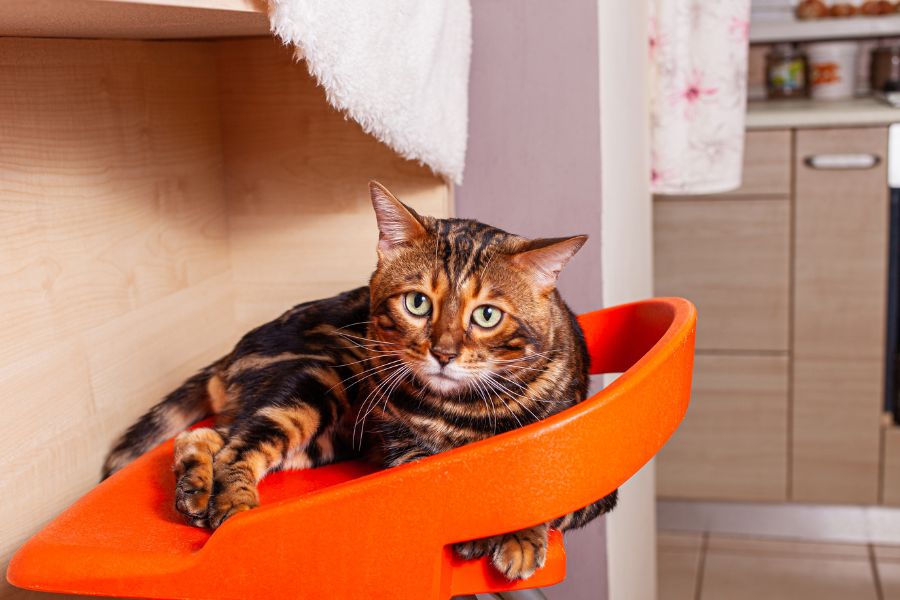
Is coconut oil safe for cats? Many pet owners are turning to natural remedies like coconut oil for dry skin, hairballs, and digestive support. While coconut oil can offer some benefits for cats, it’s not a cure-all, and it isn’t right for every feline.
In this veterinarian guide, we’ll explain the benefits, risks, proper dosage, and when to avoid coconut oil for cats so you can make a safe, informed decision for your pet.
What Is Coconut Oil?
Coconut oil is a natural oil extracted from mature coconuts. It’s rich in medium-chain triglycerides (MCTs), particularly lauric acid, which has antimicrobial and anti-inflammatory properties.
There are two main types:
- Virgin (unrefined) coconut oil – minimally processed, retains nutrients
- Refined coconut oil – processed and may contain fewer active compounds
For cats, if used at all, virgin coconut oil is typically preferred in small, controlled amounts.
Is Coconut Oil Safe for Cats?
Yes, coconut oil is generally safe for cats in small amounts, but not all cats should have it.
Most healthy cats can tolerate a small amount of coconut oil, either applied topically or given orally. However, because cats are obligate carnivores with specific dietary needs, adding extra fats should be done cautiously.
Cats Who Should Avoid Coconut Oil
Coconut oil may not be appropriate for cats with:
- Pancreatitis
- Obesity
- Sensitive stomachs
- Chronic diarrhea
- Fat-restricted diets
- Liver disease
If your cat has a medical condition, always check with a veterinarian before adding supplements.
Potential Benefits of Coconut Oil for Cats
When used appropriately, coconut oil may offer mild benefits.
1. Supports Skin and Coat Health
Coconut oil can help:
- Moisturize dry, flaky skin
- Reduce mild itching
- Improve coat shine
Applied topically in very small amounts, it may soothe irritated skin, especially during dry Georgia winters.
2. May Help With Hairballs
Some cat owners use coconut oil as a natural lubricant to help hair pass through the digestive tract more easily. A tiny amount mixed into food may reduce hairball frequency in some cats.
3. Mild Antimicrobial Properties
Lauric acid has natural antibacterial and antifungal effects. While not a replacement for medical treatment, it may support minor skin issues.
Risks and Side Effects of Coconut Oil for Cats
While many online sources promote coconut oil as a miracle remedy, it does carry risks.
1. Digestive Upset
Too much coconut oil can cause:
- Vomiting
- Diarrhea
- Greasy stools
- Decreased appetite
Cats are sensitive to sudden dietary changes.
2. Weight Gain
Coconut oil is high in calories. Just one teaspoon contains about 40 calories, which is significant for a 10-pound cat.
Even small, daily additions can lead to unwanted weight gain over time.
3. Pancreatitis Risk
Because it’s a fat, coconut oil can potentially trigger pancreatitis in susceptible cats. This condition can be serious and requires immediate veterinary care.
How Much Coconut Oil Is Safe for Cats?
If your veterinarian approves, a general starting guideline is:
- ⅛ teaspoon once daily for an average-sized cat
Always start with a very small amount and monitor for digestive issues.
Tips for Safe Use:
- Introduce gradually
- Mix thoroughly into food
- Use no more than 2–3 times per week unless directed
- Stop immediately if vomiting or diarrhea occurs
For topical use:
- Apply a pea-sized amount
- Massage gently into affected area
- Prevent excessive licking
Are There Better Alternatives?
In many cases, yes.
For example:
- Omega-3 fatty acids (from fish oil) are often more beneficial for skin and coat health.
- Veterinary-formulated hairball remedies are safer and more predictable.
- Prescription diets may better address chronic skin issues.
A veterinary exam can help determine the underlying cause of dry skin or digestive problems rather than masking symptoms.
When to Call a Veterinarian
Contact your veterinarian if your cat experiences:
- Persistent vomiting or diarrhea
- Lethargy
- Abdominal pain
- Sudden appetite changes
- Worsening skin irritation
Local climate factors in Bloomingdale, like humidity shifts and seasonal allergens, can also contribute to skin problems that may require professional treatment.
At Pooler Veterinary Hospital, we frequently see cats and their surrounding areas dealing with seasonal allergies and digestive sensitivity. Natural supplements like coconut oil may help in select cases, but they’re not one-size-fits-all solutions.
Conclusion
Coconut oil can offer mild benefits for skin health and hairballs, but it should be used cautiously. Because cats have unique nutritional needs, adding extra fat isn’t always the best approach.
If your cat is experiencing dry skin, coat changes, or digestive concerns, contact Pooler Veterinary Hospital for a personalized health plan. Our vet team is here to help you make safe, informed choices for your feline companion.
FAQs
Q1: Is coconut oil safe for cats to eat daily?
Ans: Small amounts may be safe for healthy cats, but daily use isn’t always necessary and can lead to weight gain or digestive upset.
Q2: Can coconut oil help with cat hairballs?
Ans: Yes, a tiny amount may help lubricate the digestive tract, but veterinary-approved hairball remedies are usually more effective.
Q3: How do I apply coconut oil to my cat’s skin?
Ans: Use a pea-sized amount and gently massage into dry areas. Prevent excessive licking and monitor for irritation.
Q4: Can coconut oil cause diarrhea in cats?
Ans: Yes, too much coconut oil can cause vomiting or diarrhea, especially if introduced too quickly.
Q5: What is the safest oil for cats?
Ans: Fish oil containing omega-3 fatty acids is often safer and more beneficial than coconut oil when recommended by a veterinarian.


Ready To Visit Us?
We proudly serve the pets of Pooler, Bloomingdale, Savannah, Port Wentworth, Guyton,
Chatham County, GA and the surrounding areas. At every stage of your pet’s life, we are dedicated to giving
them veterinary treatment of the highest quality.