info@poolervet.com

Why Is My Cat Drinking So Much Water? Common Causes and When to Worry
Request Appointment
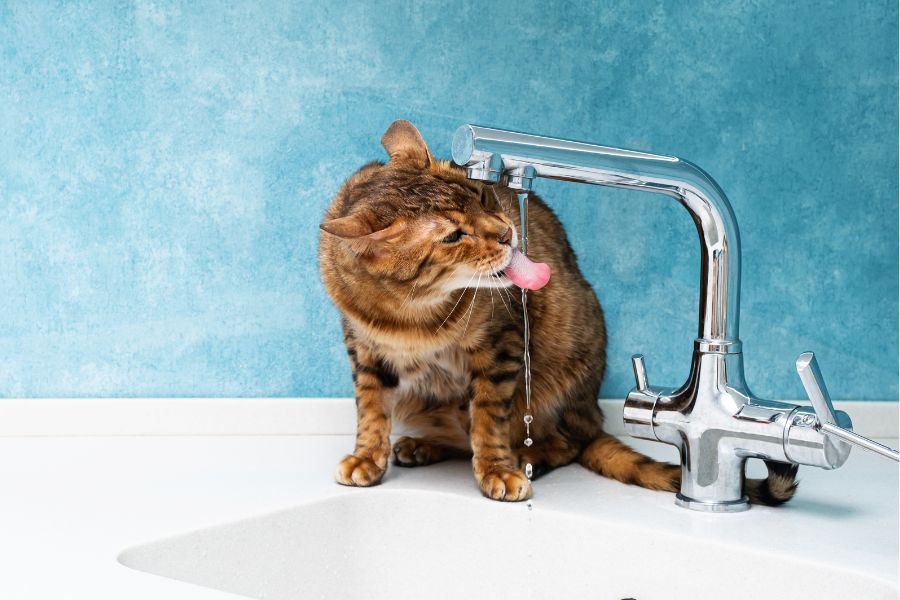
You set down the water bowl in the morning, and by afternoon, it is empty again. Your cat seems to be drinking constantly, and something feels off. If this sounds familiar, you are right to pay attention. A cat drinking too much water is one of the most common signs that something is going on beneath the surface. It is rarely just a quirk or a passing phase.
In Bloomingdale, GA, and across the South, warm weather can cause cats to drink a little more than usual. But there is a big difference between seasonal thirst and a symptom that needs veterinary attention. This article explains the most common causes of increased water intake in cats, the warning signs to watch for, how vets diagnose the problem, and exactly when to call your veterinarian.
Understanding Increased Thirst in Cats
Cats are not naturally heavy drinkers. Unlike dogs, who lap water eagerly throughout the day, cats evolved as desert animals and tend to get much of their hydration from food. That is exactly why a noticeable increase in water consumption stands out.
Veterinarians use the term polydipsia to describe excessive thirst. It is defined as drinking more than 100 milliliters of water per kilogram of body weight per day. For the average house cat, that works out to roughly two to three times the normal intake. Most pet owners cannot measure this precisely, but they notice a behavior change. You may see your cat visiting the bowl repeatedly, drinking from faucets, or even lapping at puddles.
Polydipsia almost always appears alongside polyuria, which is increased urination. If you are cleaning the litter box more often than usual, that detail matters. Tell your vet. These two symptoms together are a meaningful clinical signal, not a coincidence.
Common Causes of Excessive Thirst in Cats
Excessive thirst in cats has several well-documented causes. Some are manageable with early treatment. Others require urgent attention. Knowing the difference helps you act quickly.
Chronic kidney disease is one of the most frequent underlying causes we see, especially in cats over age seven. The kidneys lose their ability to concentrate urine efficiently, which causes the body to flush out more water. Your cat drinks more to compensate. Signs of cat kidney disease often develop slowly, which is why routine wellness exams matter so much.
Diabetes mellitus is another common cause. When a cat’s body cannot regulate blood sugar properly, glucose spills into the urine and pulls water along with it. Cat diabetes symptoms often include increased thirst and urination, weight loss despite a healthy appetite, and a dull or unkempt coat. Middle-aged and overweight cats are at higher risk.
Hyperthyroidism is the most common hormonal disorder in older cats. An overactive thyroid gland raises metabolism, drives up thirst and hunger, and causes weight loss. Many owners assume their older cat is just aging. In reality, hyperthyroidism is very treatable when caught early.
Other causes include urinary tract infections, liver disease, certain medications, and in rare cases, a condition called psychogenic polydipsia, where a cat drinks out of habit or boredom rather than medical need.
Warning Signs to Watch For
If your cat is drinking more water, these additional signs point to a medical issue that needs prompt evaluation:
- Unexplained weight loss: Your cat eats normally or even more than usual, but the weight keeps dropping. This pattern appears in both diabetes and hyperthyroidism.
- Increased urination or accidents outside the litter box: More trips to the box or wet spots on bedding are signs the kidneys or bladder are not functioning normally.
- Vomiting or loss of appetite: Digestive symptoms alongside increased thirst can signal kidney disease or liver problems.
- Lethargy or weakness: A cat that is less playful, sleepier than usual, or reluctant to jump may be dealing with a systemic illness.
- Bad breath with a chemical or ammonia-like odor: This specific type of odor is associated with kidney disease as waste products build up in the bloodstream.
- Changes in coat quality: A greasy, dull, or matted coat in a previously well-groomed cat is a common sign of illness.
If you notice any of these signs, contact your veterinarian promptly. In our experience, the cats that do best are the ones whose owners act on subtle changes early, before the condition has time to progress.
How Vets Diagnose and Treat the Cause
When to call the vet is a question we hear often. The answer is simple. If your cat’s water intake has noticeably increased for more than two to three days with no obvious explanation like extreme heat, call your veterinarian. Do not wait to see if it resolves on its own.
Your vet will start with a full diagnostic exam. From there, a pet diagnostic exam typically follows these steps:
- Blood panel: Checks kidney values, blood sugar, thyroid hormone levels, and liver function.
- Urinalysis: Evaluates urine concentration, looks for infection, and checks for glucose spillover.
- Blood pressure measurement: Hypertension is common in cats with kidney disease and hyperthyroidism.
- Imaging: Ultrasound or X-rays may be used if the kidneys, bladder, or other organs appear abnormal.
Treatment depends entirely on the diagnosis. Diabetic cats often respond well to insulin therapy and a high-protein, low-carbohydrate diet. Hyperthyroidism is typically managed with daily medication, radioactive iodine therapy, or surgery. Kidney disease is managed with prescription diets, hydration support, and medications that protect kidney function over time.
The American Association of Feline Practitioners (AAFP) recommends annual wellness exams for adult cats and twice-yearly visits for cats over age seven. Routine bloodwork during those visits often catches these conditions before symptoms even appear.
Home Care Tips and Prevention
You cannot always prevent conditions like kidney disease or hyperthyroidism, but you can catch them early and support your cat’s overall health at home.
- Feed a moisture-rich diet. Wet food provides hydration that dry kibble cannot match. Many cats with early kidney issues benefit significantly from switching to wet food.
- Keep fresh water available at all times. Some cats prefer running water. A pet fountain can encourage better daily hydration.
- Monitor litter box habits. Changes in the frequency, volume, or color of urination are early warning signs worth noting.
- Track your cat’s weight monthly. A kitchen scale works well. Even a half-pound loss in a small cat can signal a problem.
- Schedule regular wellness exams. Many pet owners assume their indoor cat does not need frequent vet visits. In reality, cats are experts at hiding illness, and annual or biannual exams are often the only way to catch problems early.
One of the most common misconceptions we hear from cat owners is that increased thirst is a normal part of aging. It is not. Thirst that increases with age is a symptom, not an inevitability. Pooler Veterinary Hospital has the diagnostic tools to find out exactly what is driving the change and get your cat on the right path.
Conclusion
A cat drinking too much water is your pet’s way of telling you something needs attention. It is one of the clearest early signals the body sends when something is off internally. Whether the cause turns out to be kidney disease, diabetes, hyperthyroidism, or something else entirely, early diagnosis makes a meaningful difference in how well and how long your cat responds to treatment.
Do not guess and do not wait. If your cat’s water intake has changed, trust your instincts as a pet owner. The team at Pooler Veterinary Hospital is here to help you get answers, understand your options, and create a care plan that keeps your cat comfortable and healthy for years to come. Book an appointment today.
Frequently Asked Questions
How much water should a cat drink per day?
Ans: Most cats drink between 3.5 and 4.5 ounces of water per 5 pounds of body weight each day. Cats on wet food diets typically drink less from the bowl because they get hydration from their meals. A noticeable increase from your cat’s normal baseline is the key sign to watch for, not a specific number.
Can stress cause a cat to drink more water?
Ans: Stress alone is rarely a cause of significantly increased water intake in cats. While major environmental changes can affect behavior, persistent increases in thirst almost always have a physical cause. If your cat has been drinking more for more than a few days, a veterinary evaluation is the appropriate next step.
Is increased thirst in cats always serious?
Ans: Not always, but it should never be dismissed. Mild, temporary increases in hot weather are usually harmless. Persistent or sudden increases, especially when combined with weight loss, lethargy, or litter box changes, can signal conditions like kidney disease or diabetes that require treatment.
Can a cat recover from kidney disease?
Ans: Chronic kidney disease in cats cannot be reversed, but it can be managed effectively. Many cats live comfortably for years with the right diet, hydration support, and monitoring. Early detection is the single biggest factor in how well a cat does long-term.
What is the difference between diabetes and kidney disease in cats? Both conditions ans: Ans: cause increased thirst and urination, which makes them easy to confuse without testing. Diabetic cats often have increased appetite alongside weight loss, while cats with kidney disease may lose their appetite over time. A blood panel and urinalysis are the only reliable way to tell the difference and guide proper treatment.


Ready To Visit Us?
We proudly serve the pets of Pooler, Bloomingdale, Savannah, Port Wentworth, Guyton,
Chatham County, GA and the surrounding areas. At every stage of your pet’s life, we are dedicated to giving
them veterinary treatment of the highest quality.