info@poolervet.com

5 Signs Your Cat Needs More Playtime
Request Appointment
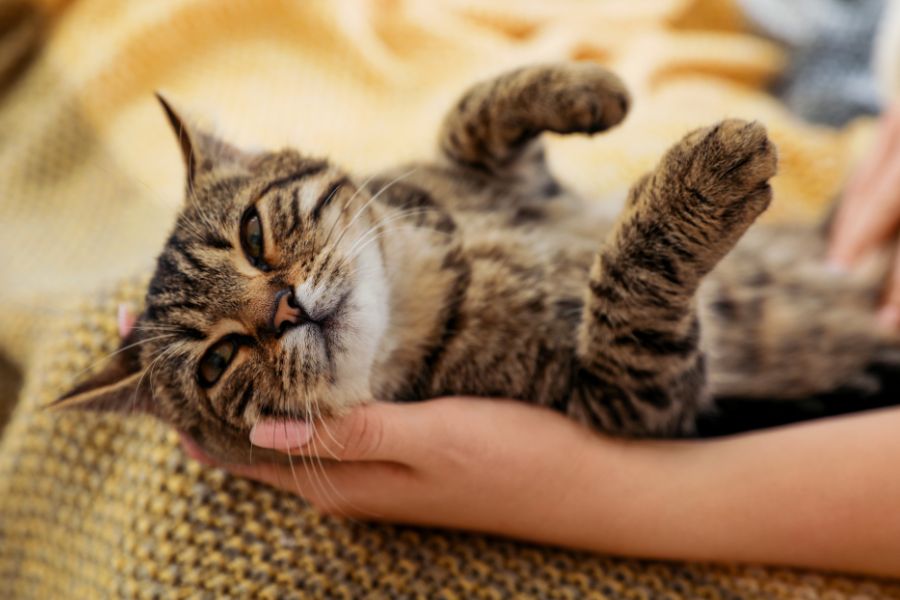
Cats may spend hours sleeping, but they still need regular activity and mental stimulation to stay healthy and happy. When cats don’t get enough exercise or enrichment, they can develop unwanted habits like scratching furniture, excessive meowing, or nighttime zoomies. Many common cat behavior problems are actually linked to boredom and lack of stimulation.
In this guide, we’ll cover five clear signs your cat may need more daily activity, explain how much playtime cats need, and share simple ways to create a healthier routine for indoor cats. Understanding your cat’s play needs can improve both their physical health and emotional well-being.
Why Playtime Matters for Cats
Play is an important part of a cat’s overall health. In the wild, cats spend much of their time hunting, climbing, stalking, and exploring. Indoor cats still have these instincts, even if they live in a comfortable home.
Without enough activity, cats may become:
- Bored
- Frustrated
- Overweight
- Anxious
- Destructive
Regular cat playtime helps mimic natural hunting behaviors while supporting mental and physical stimulation.
Benefits of daily play include:
- Better weight management
- Reduced stress
- Improved sleep patterns
- Stronger muscles and joints
- Fewer behavioral issues
Even short play sessions can make a noticeable difference in your cat’s mood and behavior.
Sign #1: Your Cat Has Sudden Zoomies or Hyperactivity
One of the most common signs of insufficient stimulation is sudden bursts of energy around the house.
Cats that lack enough activity during the day often release pent-up energy by:
- Sprinting through rooms
- Climbing furniture
- Knocking objects over
- Attacking curtains or blankets
- Running around late at night
These “zoomies” are often normal, but frequent hyperactivity can suggest your cat needs more structured exercise.
How to Help
Try adding two or three short interactive play sessions throughout the day using:
- Wand toys
- Laser pointers
- Feather teasers
- Treat puzzles
- Rolling balls
Cats usually respond best to play that mimics hunting behavior.
Sign #2: Your Cat Is Scratching Furniture Excessively
Scratching is a natural feline behavior, but excessive scratching may signal boredom or frustration.
Cats scratch to:
- Mark territory
- Stretch muscles
- Relieve stress
- Maintain nail health
When cats lack sufficient mental stimulation, scratching behavior often increases.
Ways to Redirect Scratching
Provide:
- Scratching posts
- Cat trees
- Cardboard scratch pads
- Window perches
- Interactive toys
Rotating toys regularly can also keep your cat more engaged and interested.
Sign #3: Your Cat is Gaining Weight
Weight gain is one of the biggest health concerns for indoor cats. Limited movement combined with overeating can quickly lead to obesity.
A lack of cat playtime may contribute to:
- Reduced calorie burning
- Poor muscle tone
- Joint stiffness
- Lower energy levels
Overweight cats are also at higher risk for:
- Diabetes
- Arthritis
- Heart disease
- Grooming difficulties
How Much Playtime Do Cats Need?
Most adult cats benefit from at least:
- 20–30 minutes of active play daily
It can be divided into several shorter sessions throughout the day.
Kittens and highly active breeds may need even more stimulation.
Interactive feeding toys and climbing structures can also encourage movement between play sessions.
Sign #4: Your Cat is Meowing More Than Usual
Cats often vocalize more when they feel bored or understimulated.
Excessive meowing may happen because your cat wants:
- Attention
- Food
- Entertainment
- Interaction
It is especially common in indoor cats left alone for long periods.
Preventing Attention-Seeking Behavior
You can help reduce boredom-related vocalization by:
- Scheduling daily playtime
- Introducing puzzle feeders
- Providing climbing areas
- Rotating toys weekly
- Creating window-watching spots
Enrichment activities help keep your cat mentally engaged even when you’re busy.
Sign #5: Your Cat is Acting Aggressively
Some cat behavior problems are linked directly to excess energy and frustration.
Cats without enough stimulation may begin:
- Biting ankles
- Swatting unexpectedly
- Chasing other pets
- Pouncing aggressively
- Overreacting during play
This behavior is often misunderstood as “bad behavior” when it may actually be a sign your cat needs healthier outlets for energy.
Interactive Play Helps Reduce Aggression
Daily exercise helps cats safely and positively release their natural hunting instincts.
Focus on toys that encourage:
- Chasing
- Stalking
- Jumping
- Swatting
- Climbing
Ending play sessions with a small treat or meal can also help cats feel more satisfied and relaxed afterward.
Indoor Cats Need Mental Stimulation Too
Many owners assume indoor cats are automatically safe and comfortable, but indoor life can sometimes become repetitive.
Without enrichment, indoor cats may experience:
- Anxiety
- Depression-like behaviors
- Overgrooming
- Increased stress
- Destructive habits
Simple environmental changes can improve your cat’s daily routine dramatically.
Easy Enrichment Ideas
Try adding:
- Cat shelves
- Window hammocks
- Puzzle feeders
- Treat hunts
- Rotating toys
- Paper bags or boxes
- Bird-watching opportunities
Cats enjoy novelty, so even small changes can spark curiosity and engagement.
When Behavioral Changes May Need Veterinary Attention
Although boredom is common, not all behavioral changes are related to playtime alone.
Sudden changes in behavior may sometimes point to medical issues, including:
- Pain
- Thyroid disease
- Anxiety disorders
- Cognitive decline
- Urinary problems
A routine veterinary wellness exam can help rule out underlying health conditions if your cat’s behavior changes suddenly or becomes severe.
Many cat owners first notice medical concerns through subtle behavioral changes, such as irritability, hiding, or reduced activity.
Building a Healthy Play Routine for Your Cat
Consistency is important when increasing your cat’s activity level.
Tips for Better Daily Cat Playtime
- Schedule play sessions at the same times each day
- Keep sessions short and engaging
- Use toys that mimic prey movement
- Rotate toys weekly to prevent boredom
- Let your cat “catch” toys occasionally
Most cats enjoy multiple short bursts of activity rather than one long session.
Remember that every cat has a unique personality and energy level. Some cats are naturally more playful than others, but all cats benefit from regular enrichment.
A Happier Cat Starts With Daily Play
Many common cat behavior problems are actually signs that cats need more stimulation, exercise, and interaction. Behaviors such as excessive meowing, nighttime hyperactivity, aggression, or destructive scratching can often improve with better daily enrichment and structured playtime for cats.
Understanding how much playtime cats need can help owners create healthier routines that support both mental and physical wellness. Regular activity not only helps prevent boredom but also supports healthy weight management, stress reduction, and stronger bonding between pets and owners.
Conclusion
Many cat owners use routine wellness visits to discuss behavioral changes and learn more about healthy enrichment strategies for indoor cats. If you’re in Bloomingdale and need an opinion from a veterinarian near you, book an appointment today with Pooler Veterinary Hospital if your cat is showing sudden behavioral changes or signs of stress that may need professional evaluation.
FAQs
Q1: How much playtime do cats need every day?
Ans: Most adult cats need about 20–30 minutes of active play daily, divided into shorter sessions throughout the day.
Q2: Can boredom cause cat behavior problems?
Ans: Yes. Boredom can lead to excessive meowing, scratching, aggression, overeating, and nighttime hyperactivity in cats.
Q3: Why does my indoor cat act aggressively sometimes?
Ans: Indoor cats may become aggressive when they lack physical activity, mental stimulation, or healthy outlets for natural hunting instincts.
Q4: What are the best toys for cat playtime?
Ans: Interactive toys like feather wands, puzzle feeders, laser pointers, and treat-dispensing toys are great for encouraging healthy activity.
Q5: Should I worry if my cat suddenly becomes less playful?
Ans: Yes. Sudden changes in activity or behavior can sometimes indicate illness, pain, or stress and should be evaluated by a veterinarian.



Ready To Visit Us?
We proudly serve the pets of Pooler, Bloomingdale, Savannah, Port Wentworth, Guyton,
Chatham County, GA and the surrounding areas. At every stage of your pet’s life, we are dedicated to giving
them veterinary treatment of the highest quality.