info@poolervet.com

Summer Paw Care for Dogs: What Vets Want You to Know
Request Appointment
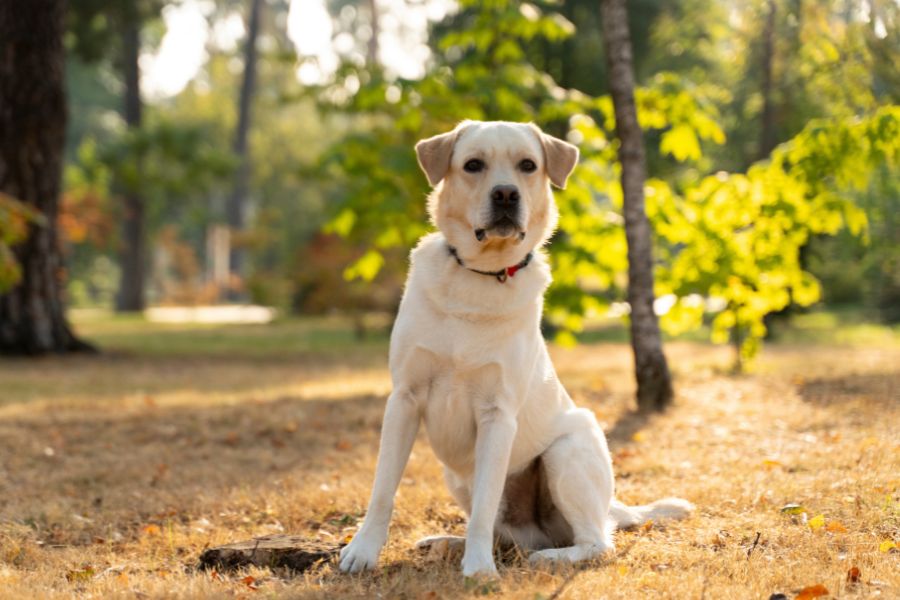
Hot sidewalks can burn a dog’s paws in seconds. That is why summer paw care for dogs needs to start long before the temperature peaks each afternoon. Paw pads are tough, but they are not invincible against asphalt, sand, and sun-baked decking. Many owners assume their dog will simply pull away from a hot surface before harm occurs, but injuries often happen faster than that reaction time. Cracked pads, blisters, and heat exhaustion are all preventable with a few simple habits. This guide walks through the warning signs, the daily precautions that matter most, and what to expect if your dog does need care after a summer mishap. Understanding these basics helps you keep walks safe and enjoyable all season long, without second-guessing every outing.
What Summer Paw Care Involves and Why It Matters
Paw pads are made of thick, fatty tissue designed to cushion and protect, but they can still burn, blister, or crack under extreme heat and friction. Asphalt and concrete absorb sunlight and can reach temperatures far higher than the air around them, especially between late morning and early evening. Sand at the beach and metal surfaces like manhole covers pose similar risks.
An estimated 20 percent of hot-weather paw injuries seen at animal hospitals involve pavement contact rather than direct sun exposure. That statistic surprises many pet owners, who often blame the sun alone. In reality, the surface a dog walks on is usually the bigger threat.
Protecting paw pads is not just about comfort. Severe burns can lead to infection, limping, and weeks of limited activity while tissue heals.
Signs Your Dog’s Paws Need Attention
Recognizing early signs of hot pavement dog paws injury can prevent a minor issue from becoming a serious one.
- Limping or refusing to walk on a particular surface
- Licking or chewing at the paws more than usual
- Visible redness, blistering, or darkened patches on the pads
- Missing sections of pad tissue or a raw, shiny appearance
- Reluctance to stand or bear weight on all four paws
In our experience, dogs often hide discomfort until the damage is fairly advanced, since instinct tells them not to show weakness. If you notice any of these signs, a same-day vet visit is the safest next step. Waiting even a day can allow a burn to worsen or become infected, particularly in humid conditions that slow healing.
What to Expect at Pooler Veterinary Hospital
When a dog comes in with suspected paw burns, the process is straightforward and designed to minimize stress for both pet and owner.
- A veterinary team member examines each paw pad closely for blistering, tissue damage, or embedded debris.
- The affected area is gently cleaned to remove dirt or bacteria that could cause infection.
- A protective dressing or wrap may be applied depending on the severity of the injury.
- You will receive clear at-home care instructions, including how to keep the area clean and dry.
- A follow-up visit is scheduled if the injury requires monitoring over several days.
Pet owners often tell us they are relieved to learn that most paw injuries heal well with prompt attention. In Bloomingdale, many of the summer paw injuries we treat happen during midday walks on residential sidewalks, not during hikes or trips to less developed areas.
Dog Paw Protection Summer Strategies That Actually Work
Georgia summers bring a combination of heat and humidity that intensifies surface temperatures well beyond what the thermometer suggests. Pavement can reach dangerous levels even on days that feel only moderately warm in the shade.
A common misconception is that a dog’s paw pads are naturally resistant to heat because they walk barefoot year-round. Pads offer some protection, but they are living tissue that can burn just like human skin on a hot surface.
The simplest test is the seven-second rule: press the back of your hand firmly against the pavement. If you cannot hold it there for seven seconds, the surface is too hot for your dog’s paws. Scheduling walks for early morning or after sunset avoids peak surface temperatures almost entirely.
How Often Should You Check Your Dog’s Paws in Summer?
Check your dog’s paws once daily during hot months, ideally after each walk. Look for redness, cracking, or debris caught between the toes, and rinse paws with cool water if they seem irritated. This quick habit catches early problems before they turn into painful injuries.
Simple Dog Heat Safety Tips for Daily Walks
Beyond paw protection, dog heat safety tips extend to the whole body during summer activity.
- Walk during cooler morning or evening hours instead of midday
- Carry water and offer breaks every 10 to 15 minutes on longer walks
- Choose grass or shaded paths over direct sunlight and pavement
- Watch for excessive panting, drooling, or stumbling, which can signal overheating
- Avoid leaving dogs in parked cars, even briefly, since interior temperatures rise quickly
Dogs with short muzzles, thick coats, or older age tend to overheat faster and need extra caution. Consistent daily habits make the biggest difference in preventing summer-related injuries.
Consistent paw checks, smart scheduling, and awareness of surface temperatures make summer walks far safer for your dog. Signs of paw burns should never be ignored, since prompt care leads to faster healing and less discomfort. Following simple summer paw care guidelines for dogs throughout the season protects your dog’s mobility and comfort. If you notice any signs of irritation or injury, the team at Pooler Veterinary Hospital is ready to help. Book an appointment today.
Frequently Asked Questions
Q: How hot does pavement get in summer for dogs?
Ans: Pavement can be significantly hotter than the surrounding air temperature, sometimes by 40 to 60 degrees, especially on sunny afternoons. This makes surfaces dangerous for paw pads even on days that feel only warm.
Q: What are the signs of paw burns in dogs?
Ans: Common signs include limping, licking the paws, visible blisters or redness, and reluctance to walk on certain surfaces. Any of these signs warrants a prompt veterinary evaluation.
Q: Can a dog’s paw pads get sunburned?
Ans: Paw pads are less prone to sunburn than skin, but they can suffer heat burns from hot surfaces rather than direct sun exposure. Both types of injury require similar at-home care and monitoring.
Q: What time of day is safest for dog walks in summer?
Ans: Early morning and evening hours are safest, since pavement and ground surfaces have not yet absorbed peak heat from the sun. Midday walks carry the highest risk of paw injuries.
Q: Should I put booties on my dog for summer walks?
Ans: Protective booties can help shield paw pads from hot pavement, though many dogs need time to adjust to wearing them. Testing the pavement temperature by hand remains a reliable backup method.




Ready To Visit Us?
We proudly serve the pets of Pooler, Bloomingdale, Savannah, Port Wentworth, Guyton,
Chatham County, GA and the surrounding areas. At every stage of your pet’s life, we are dedicated to giving
them veterinary treatment of the highest quality.