info@poolervet.com

What Is the Best Food for Senior Cats?
Book Online
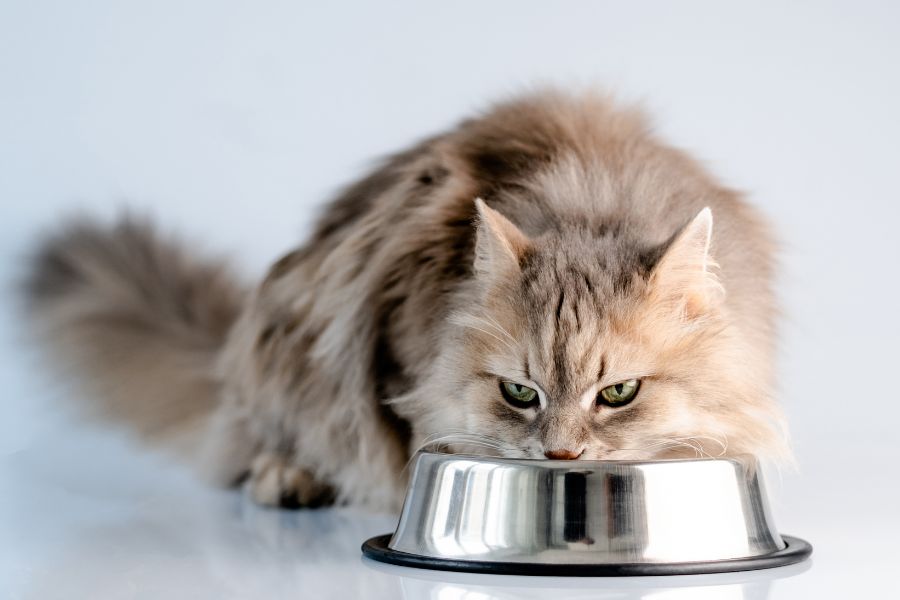
As cats age, their nutritional needs change. If you’re wondering what the best food for senior cats is, you’re not alone. Many pet parents notice their older cats slowing down, gaining or losing weight, or developing health issues that require dietary adjustments.
In this guide, we’ll explain what to look for in senior cat food, key nutrients aging cats need, common health considerations, and how to choose the right diet for your furry companion. Whether your cat is 7 or 17, proper nutrition can help them stay comfortable, active, and healthy for years to come.
When Is a Cat Considered a Senior?
Most cats are considered “senior” around 7 to 10 years old, though this can vary depending on breed and overall health. By age 11, most veterinarians classify cats as seniors.
As cats age, they may experience:
- Reduced metabolism
- Decreased muscle mass
- Dental issues
- Kidney or thyroid concerns
- Joint stiffness
Due to these changes, the best food for senior cats supports aging organs, helps maintain a healthy weight, and preserves lean muscle.
What Is the Best Food for Senior Cats? Key Nutritional Needs
There isn’t a single brand that works for every cat. The best food for senior cats depends on their specific health condition. However, certain nutrients are especially important.
1. High-Quality Protein
Senior cats still need plenty of protein to maintain muscle mass. Contrary to old myths, healthy senior cats do not need low-protein diets unless they have kidney disease.
Look for:
- Named animal protein (chicken, turkey, salmon) as the first ingredient
- Easily digestible sources
- Moderate to high protein levels
Protein helps prevent muscle loss, which is common in older cats.
2. Controlled Phosphorus Levels
Kidney disease is common in senior cats. Diets formulated for aging cats often contain moderate phosphorus levels, which can help protect kidney function.
If your cat has diagnosed with kidney disease, your veterinarian may recommend a prescription renal diet.
3. Omega-3 Fatty Acids
Omega-3s support:
- Joint health
- Skin and coat condition
- Brain function
- Anti-inflammatory benefits
Senior cats with arthritis especially benefit from diets containing fish oil or other omega-3 sources.
4. Moisture Content Matters
Many older cats don’t drink enough water. Dehydration increases the risk of kidney and urinary issues.
Wet food can:
- Increase hydration
- Support urinary health
- Be easier to chew for cats with dental disease
5. Moderate Calories
Some senior cats gain weight due to lower activity, while others lose weight due to medical conditions.
The best food for senior cats should:
- Prevent obesity
- Maintain lean body mass
- Provide enough calories without excess fat
Your vet can help determine your cat’s ideal body condition score.
Wet Food vs. Dry Food for Senior Cats
Wet Food Benefits
- Higher moisture content
- Easier to chew
- Often more palatable
- Good for kidney and urinary support
Dry Food Benefits
- Convenient storage
- Can support dental health (mildly)
- Often more calorie-dense
Many veterinarians recommend a combination approach, wet food for hydration and dry food for convenience, depending on the cat’s health.
Special Diets for Common Senior Cat Conditions
The best food for senior cats often depends on medical conditions. Here are common issues seen in older cats.
Kidney Disease
- Lower phosphorus
- Controlled protein
- Increased moisture
- Added B vitamins
Hyperthyroidism
- May require prescription diets
- Focus on maintaining a healthy weight
Diabetes
- High-protein, low-carbohydrate formulas
- Consistent feeding schedule
Arthritis
- Added glucosamine
- Omega-3 fatty acids
- Weight management
Every condition requires individualized guidance from your veterinarian.
Ingredients to Avoid in Senior Cat Food
When evaluating labels, try to limit:
- Excessive fillers (corn gluten, by-products with unclear sourcing)
- Artificial preservatives
- High carbohydrate percentages
- Excess sodium
Cats are obligate carnivores. Diets too high in carbs can contribute to obesity and metabolic problems.
How to Transition a Senior Cat to New Food
Senior cats can be sensitive to sudden changes. Follow this 7–10 day transition plan:
- Days 1–3: 75% old food, 25% new
- Days 4–6: 50% old, 50% new
- Days 7–9: 25% old, 75% new
- Day 10: 100% new food
Watch for:
- Vomiting
- Diarrhea
- Appetite changes
If your cat refuses food for more than 24 hours, contact your vet immediately.
How Much Should You Feed a Senior Cat?
Feeding amounts depend on:
- Weight
- Activity level
- Medical conditions
- Caloric density of the food
On average, senior cats need 20–30 calories per pound of body weight daily, but this varies. Unintentional weight loss is often the first sign of underlying illness in older cats.
Why Regular Senior Wellness Exams Matter
Nutrition alone isn’t enough. Senior cats should have:
- Annual or biannual bloodwork
- Urinalysis
- Blood pressure checks
- Weight monitoring
Early detection of kidney disease, thyroid issues, or diabetes allows diet changes before serious complications occur.
At Pooler Veterinary Hospital, we regularly help cat owners in Bloomingdale make personalized nutrition plans for aging pets. Senior cats often mask symptoms, so professional evaluation is key.
Final Thoughts:
So, what is the best food for senior cats? The answer depends on your cat’s age, weight, medical history, and lifestyle.
In general, the best food for senior cats includes:
- High-quality animal protein
- Controlled phosphorus
- Added omega-3s
- Moderate calories
- Adequate moisture
Every senior cat is unique. The right diet can improve energy, comfort, coat quality, and longevity.
If your cat is entering their golden years, schedule a senior wellness exam today. Our vet team at Pooler Veterinary Hospital can help you select a tailored nutrition plan that keeps your feline companion thriving.
FAQs
Q1: What is the best food for senior cats with kidney disease?
Ans: Senior cats with kidney disease typically benefit from prescription renal diets that are lower in phosphorus and higher in moisture.
Q2: Is wet food better than dry food for senior cats?
Ans: Wet food is often better for hydration and kidney support, but many cats do well on a combination of both.
Q3: How often should senior cats eat?
Ans: Most senior cats do well with two measured meals per day, though some may require smaller, more frequent meals.
Q4: Do senior cats need special “senior” labeled food?
Ans: Not always. Some healthy older cats can remain on adult formulas, but many benefit from diets designed specifically for aging needs.
Q5: Why is my senior cat losing weight even though they’re eating?
Ans: Unintentional weight loss can signal conditions like hyperthyroidism, kidney disease, or diabetes and should be evaluated by a veterinarian promptly.


Ready To Visit Us?
We proudly serve the pets of Pooler, Bloomingdale, Savannah, Port Wentworth, Guyton,
Chatham County, GA and the surrounding areas. At every stage of your pet’s life, we are dedicated to giving
them veterinary treatment of the highest quality.