info@poolervet.com

Cat Dental Health: 5 Unknown Facts About Feline Teeth
Request Appointment
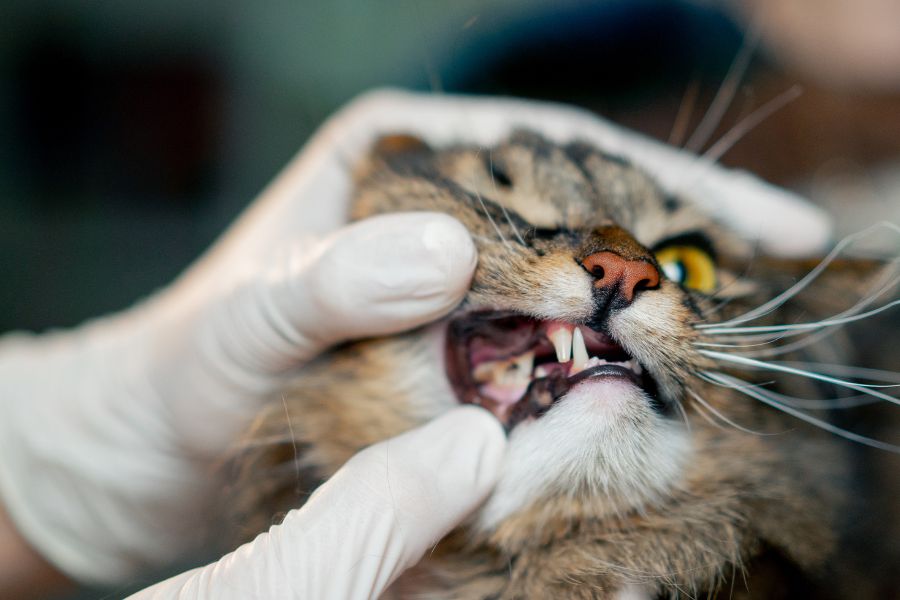
Cat dental health is often overlooked, but it plays a major role in your cat’s comfort, appetite, and overall well-being. Many pet owners don’t realize that dental disease can start early and progress quietly in cats. In this article, we’ll uncover five lesser-known facts about feline teeth, explain why cat dental care matters, and share practical tips for keeping your cat’s mouth healthy.
Why Cat Dental Health Matters More Than You Think
When people think about cat health, they usually focus on diet, litter habits, or vaccinations. Dental health often gets ignored, partly because cats are very good at hiding pain.
Healthy teeth and gums help your cat:
- Eat comfortably and maintain a healthy weight
- Avoid chronic infections
- Prevent pain-related behavior changes
- Reduce the risk of heart, kidney, and liver issues
In a warm climate, bacteria thrive easily, which can increase the risk of dental disease in cats if oral care is neglected. Understanding how feline teeth work is the first step toward prevention.
Fact #1: Cats Have 30 Teeth, and Each One Has a Job
Adult cats have 30 permanent teeth, and each type plays a specific role in survival.
Types of Feline Teeth
- Incisors: Small front teeth used for grooming and picking up food
- Canines: Long, sharp teeth designed for gripping and tearing
- Premolars and molars: Used for cutting and shearing food
Unlike humans, cats don’t chew their food much. That means food debris and bacteria can easily stay on the teeth, increasing the risk of plaque and tartar buildup.
Fact #2: Dental Disease Is One of the Most Common Health Problems in Cats
Studies show that over 70% of cats over age three have some form of dental disease. The most common issue is periodontal disease, which starts with plaque and can progress quickly.
Common Cat Dental Problems
- Gingivitis (red, inflamed gums)
- Tartar buildup
- Loose or missing teeth
- Oral infections
- Painful chewing
Cats often live indoors-outdoors or near pollen-heavy areas, which can worsen inflammation and contribute to gum sensitivity.
Fact #3: Cats Hide Dental Pain Extremely Well
One of the most surprising facts about feline teeth is how well cats mask pain. In the wild, showing weakness is dangerous, and that instinct still exists in house cats.
Subtle Signs of Cat Dental Problems
- Dropping food while eating
- Chewing on one side
- Bad breath
- Pawing at the mouth
- Reduced grooming
- Irritability or hiding
Many pet owners assume these behaviors are “normal aging,” but they often point to tooth pain or gum disease.
Fact #4: Bad Teeth Can Affect Your Cat’s Heart and Kidneys
Dental disease doesn’t stay in the mouth. Bacteria from infected gums can enter the bloodstream and travel to major organs.
Health Issues Linked to Poor Cat Dental Health
- Heart disease
- Kidney infections
- Liver inflammation
- Weakened immune system
This is especially concerning for senior cats, who are already more prone to kidney issues. Routine professional dental cleanings for cats can significantly reduce these risks.
Fact #5: Dry Food Alone Does NOT Clean Your Cat’s Teeth
A common myth is that dry kibble keeps cat teeth clean. While some dental diets can help reduce plaque, most dry food does very little for oral hygiene.
What Actually Helps Cat Teeth
- Cat-safe tooth brushing
- Dental treats approved by veterinarians
- Water additives designed for cats
- Regular dental exams
How to Improve Your Cat’s Dental Health at Home
You don’t need to do everything at once. Small, consistent steps make a big difference.
Simple Cat Dental Care Tips
- Start brushing slowly, even just a few times a week
- Use only cat-specific toothpaste
- Check your cat’s mouth monthly for redness or swelling
- Schedule regular veterinary dental exams
- Don’t ignore bad breath—it’s often the first warning sign
When to See a Veterinarian for Cat Dental Issues
Some dental problems need professional care right away.
Call Your Vet If You Notice
- Strong, persistent bad breath
- Bleeding gums
- Facial swelling
- Refusal to eat
- Sudden behavior changes
Early treatment is usually simpler, safer, and less costly than waiting until the disease is advanced.
Why Professional Dental Cleanings Are So Important
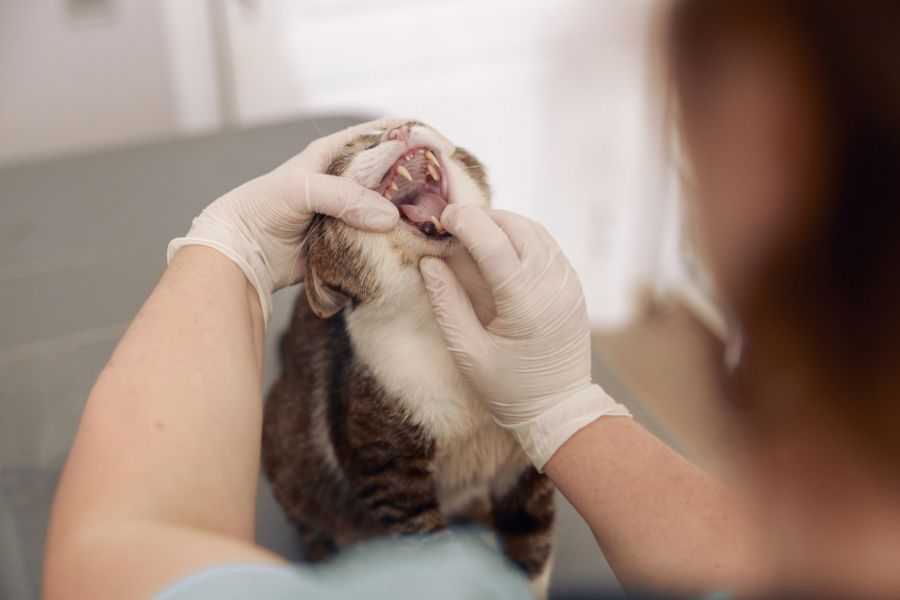
At Pooler Veterinary Hospital, feline dental cleanings are performed with safety and comfort in mind. These cleanings allow veterinarians to:
- Clean below the gumline
- Take dental X-rays
- Identify hidden tooth damage
- Treat infections before they spread
Professional pet dental care combined with at-home maintenance is good for your cat long-term oral health. Local pet owners in Bloomingdale can benefit from early dental screenings, especially for cats over age three.
Conclusion
Cat dental health is more important and more complex than many pet owners realize. From hidden pain to serious health risks, dental disease can affect your cat’s quality of life in ways that aren’t always obvious. By understanding these five unknown facts about feline teeth and taking preventive action, you can help your cat stay healthier and happier for years to come.
If your cat hasn’t had a dental checkup recently, now is the perfect time to schedule an appointment and give their smile the care it deserves.
FAQs
Q1: How often should cats have their teeth checked?
Ans: Most cats should have a dental exam at least once a year, or more often if dental issues are present.
Q2: Is bad breath normal in cats?
Ans: No. Persistent bad breath is usually a sign of dental disease or infection.
Q3: Can I brush my cat’s teeth every day?
Ans: Yes, daily brushing is ideal, but even brushing a few times a week can greatly improve cat dental health.
Q4: At what age do cats start having dental problems?
Ans: Dental disease can begin as early as age three, even in cats that seem healthy.
Q5: Are dental cleanings safe for cats?
Ans: Yes. When performed by a licensed veterinarian with proper monitoring, dental cleanings are very safe and beneficial.


Ready To Visit Us?
We proudly serve the pets of Pooler, Bloomingdale, Savannah, Port Wentworth, Guyton,
Chatham County, GA and the surrounding areas. At every stage of your pet’s life, we are dedicated to giving
them veterinary treatment of the highest quality.