info@poolervet.com

Common Dental Problems in Pets and How to Prevent Them
Request Appointment
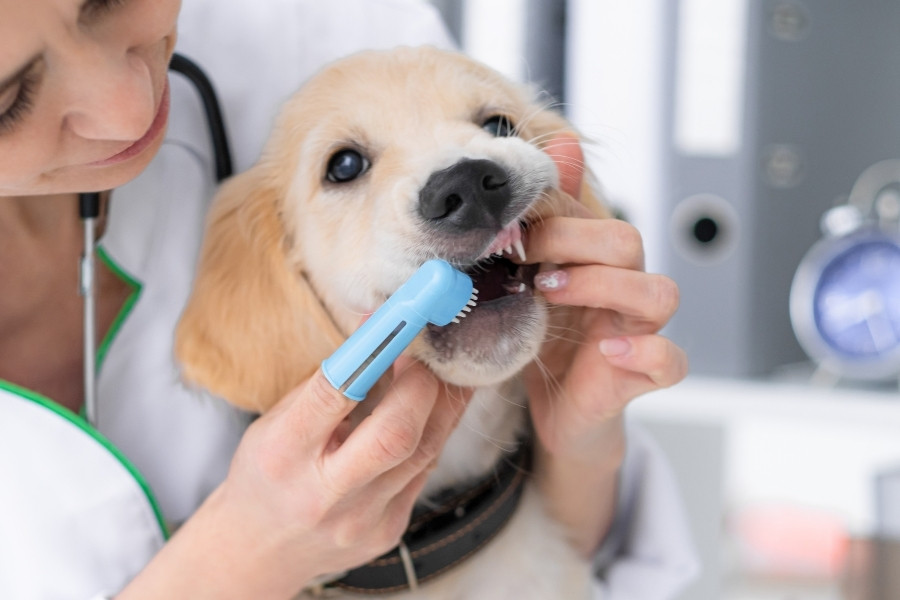
Your pet’s adorable grin hides more than just cuteness—it can also hide dental issues. Just like humans, pets can suffer from gum disease, tooth decay, and oral pain. Unfortunately, these problems often go unnoticed until they cause serious discomfort. Regular checkups, professional cleanings, and daily care can make all the difference. With pet dentistry Bloomingdale, you can ensure your furry friend enjoys a healthy mouth and a happier life.
The Sneaky Culprit: Plaque and Tartar Buildup
Plaque might sound harmless, but it’s the starting point of most dental problems in pets. This soft, sticky film quickly hardens into tartar, which can irritate gums and lead to infections. If left untreated, it may cause bad breath, pain, and tooth loss.
Prevention Tip: Brush your pet’s teeth daily using a pet-safe toothpaste, and schedule professional pet dental cleanings twice a year. Dental chews and toys can also help scrape away plaque before it becomes a bigger issue.
Gum Trouble: Periodontal Disease in Pets
Periodontal disease is one of the most common conditions affecting cats and dogs over the age of three. It starts with gum inflammation and can progress to bone loss around the teeth. This not only affects your pet’s mouth but can also harm the heart, liver, and kidneys due to bacteria entering the bloodstream.
Prevention Tip: Routine dental exams, combined with at-home care, can keep periodontal disease at bay. Look for early signs like red or swollen gums, difficulty eating, or bleeding after chewing.
Broken Teeth: Not Just a People Problem
Chewing on hard toys, bones, or even furniture can lead to fractured teeth. These injuries can expose nerves, causing significant pain and increasing the risk of infection.
Prevention Tip: Offer safe chew options—rubber toys, dental treats, or specially designed chew sticks. Avoid giving your pet cooked bones or very hard items that could crack their teeth.
The Bad Breath Alert: Halitosis in Pets
If your pet’s kisses have turned from sweet to stinky, bad breath could be a warning sign. Halitosis often results from bacteria buildup, oral infections, or gastrointestinal issues.
Prevention Tip: Fresh breath starts with a clean mouth. Regular brushing, dental rinses, and checkups will keep bacteria levels under control and your pet’s breath pleasant.
The Hidden Threat: Tooth Resorption in Cats
Cats can develop a painful condition called tooth resorption, where the tooth’s structure breaks down from the inside. The cause isn’t fully understood, but it’s relatively common in felines.
Prevention Tip: Schedule routine veterinary dental exams, as early detection is crucial. Cats are experts at hiding pain, so professional care is key.
Everyday Habits for a Healthier Pet Smile
Keeping your pet’s teeth and gums healthy doesn’t have to be complicated. Combine at-home care with professional pet dentistry Bloomingdale services for the best results. Here’s a simple routine:
- Brush daily with a pet-specific toothbrush.
- Provide dental chews and safe chew toys.
- Schedule biannual dental cleanings.
- Watch for changes in eating habits or behavior.
- Avoid giving hard, brittle treats that can break teeth.
FAQs About Pet Dental Care
- How often should my pet have a dental checkup?
Most pets benefit from a dental checkup every 6 to 12 months, depending on their oral health. - Can I use human toothpaste for my pet?
No, human toothpaste contains fluoride and other ingredients harmful to pets. Always use pet-safe toothpaste. - What are the signs of dental pain in pets?
Look for drooling, pawing at the mouth, loss of appetite, or reluctance to chew. - Do dental chews really work?
Yes, high-quality dental chews can reduce plaque and tartar, but they should not replace brushing or professional care. - Is bad breath in pets always a dental issue?
Not always—while dental problems are common, bad breath can also stem from digestive issues or other health conditions. - At what age should I start dental care for my pet?
Start as early as possible—even puppies and kittens benefit from gentle brushing to get used to the routine.
Keeping Those Furry Smiles Bright
Your pet’s dental care is more than just a cosmetic concern—it’s an important part of their overall health. By recognizing the signs of dental issues early, maintaining a consistent at-home routine, and partnering with trusted professionals in pet dentistry Bloomingdale, you can protect your furry friend from unnecessary pain and serious health problems. A clean mouth means a happier, healthier life—and more joyful moments together.

Ready To Visit Us?
We proudly serve the pets of Pooler, Bloomingdale, Savannah, Port Wentworth, Guyton,
Chatham County, GA and the surrounding areas. At every stage of your pet’s life, we are dedicated to giving
them veterinary treatment of the highest quality.