info@poolervet.com

Why Pets Need Dental Checkups and How to Start
Request Appointment
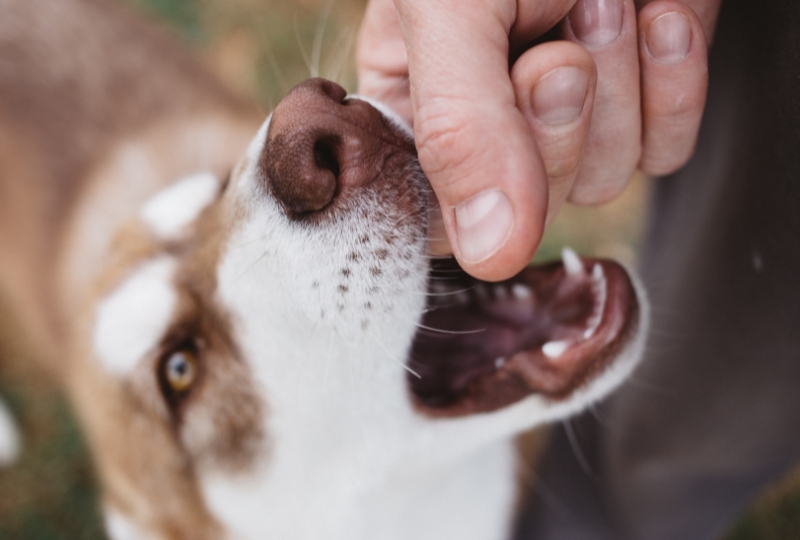
Maintaining your pet’s dental health is essential to their overall well-being. Regular dental checkups prevent pain, serious diseases, and costly treatments. In this post, you will learn why pet dentistry matters and how to start a dental care routine effectively, especially if you live near Bloomingdale.
Understanding the Importance of Pet Dentistry
First and foremost, dental health directly impacts pets’ quality of life. Just like humans, pets develop plaque and tartar, leading to gum disease and tooth decay if untreated. What many owners don’t realize is that poor dental hygiene can cause bacteria to enter the bloodstream, affecting the heart, kidneys, and liver.
Moreover, animals often hide pain, so dental problems can go unnoticed until they become severe. Regular dental checkups performed by professionals can catch issues early, preventing discomfort and costly procedures. In Bloomingdale, pet dentistry services are increasingly available, meaning it’s easier than ever to protect your pet’s mouth.
Signs Your Pet Needs a Dental Checkup Now
You might wonder if your pet actually needs a dental visit. Although regular checkups twice a year are ideal, some signs mean you should act immediately:
- Persistent bad breath despite brushing
- Excessive drooling or difficulty eating
- Red, swollen, or bleeding gums
- Loose or broken teeth
- Pawing at the mouth or face
- Behavioral changes such as irritability
If you notice any of these symptoms, schedule an appointment with your trusted pet dentistry Bloomingdale clinic without delay.
How to Begin a Pet Dental Care Routine at Home
Starting dental care at home is simpler than many pet owners expect. Here’s how you can introduce a daily dental routine that complements professional checkups:
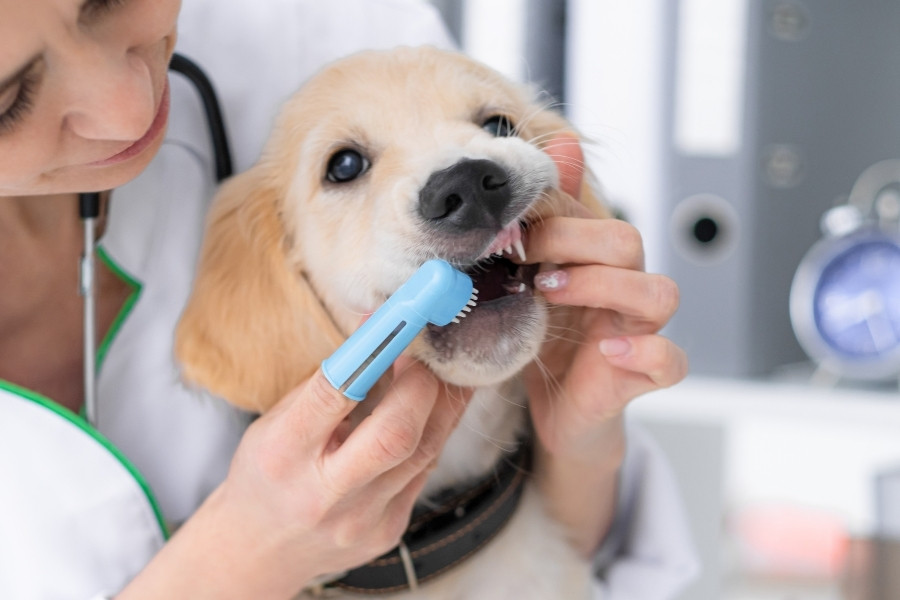
- Choose the Right Tools: Use pet-specific toothbrushes and toothpaste. Never use human toothpaste as it can be harmful.
- Introduce Slowly: Allow your pet to taste toothpaste and gently rub their gums first. Gradually increase to brushing once they’re comfortable.
- Make It Positive: Reward your pet with treats or affection after brushing to build a positive association.
- Frequency Matters: Aim for daily brushing, but even 3-4 times a week can make a big difference.
- Use Dental Chews: Add veterinarian-approved dental chews to help reduce plaque between brushings.
What to Expect at a Professional Dental Checkup
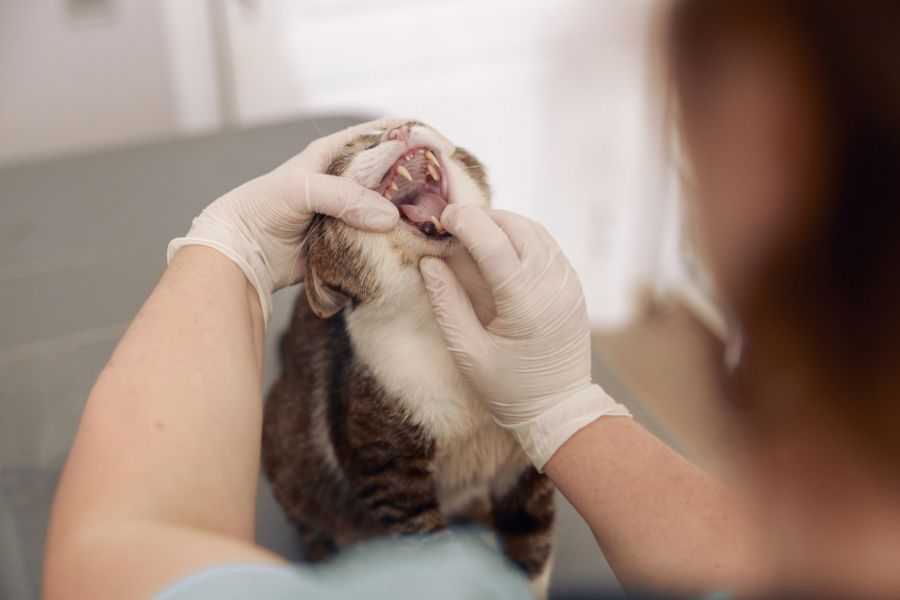
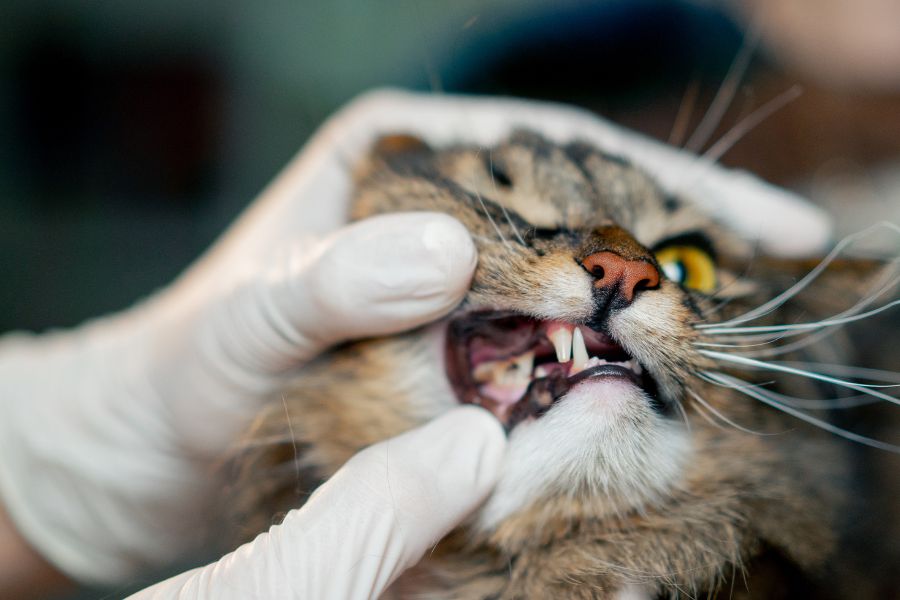
When you visit a pet dentistry clinic, expect a thorough oral exam to assess teeth, gums, and mouth tissues. Often, pets require anesthesia during cleanings so the vet can safely remove tartar and inspect hard-to-see areas.
Advanced diagnostic tools may be used to check for hidden problems like tooth root abscesses or bone loss. After cleaning, the vet will recommend follow-up care tailored to your pet’s needs and offer guidance on how to maintain oral health at home.
The Long-Term Benefits of Dental Care for Pets
Consistent dental checkups and care extend beyond maintaining a bright smile. Healthy teeth allow pets to eat comfortably, preventing nutritional deficiencies. Most importantly, good oral health reduces the risk of systemic infections affecting vital organs.
Additionally, maintaining your pet’s dental health can increase their lifespan and enhance their overall quality of life. Investing time in dental care now means fewer emergencies and vet bills later.
Finding the Best Pet Dentistry in Bloomingdale
To ensure your pet receives the best care, select a reputable pet dentistry Bloomingdale provider with experienced veterinary dentists and modern facilities. Look for practices offering:
- Comprehensive dental exams and cleanings
- Advanced dental imaging and surgery options
- Compassionate staff who educate owners
- Flexible appointment availability
Read reviews and ask local pet owners for recommendations to find a clinic that suits both your pet’s needs and your schedule.
FAQs About Pet Dental Health
1. How often should I schedule dental checkups for my pet?
Ans. Ideally, twice a year, but your vet may recommend more frequent visits based on your pet’s condition.
2. Can I brush my pet’s teeth myself?
Ans. Yes, daily brushing at home paired with professional cleanings is the best preventive approach.
3. Are dental chews effective replacements for brushing?
Ans. Dental chews help, but they should not replace regular brushing and professional care.
4. Is anesthesia safe for dental cleanings?
Ans. Yes, modern veterinary anesthesia is very safe and allows thorough cleaning and examination.
5. What happens if I ignore my pet’s dental issues?
Ans. Untreated dental disease can lead to pain, tooth loss, and serious infections affecting overall health.
6. Are there special diets to improve dental health?
Ans. Some diets are formulated to reduce plaque buildup; consult your veterinarian about options.
Taking care of your pet’s dental health is a vital step toward ensuring their happiness and longevity. By beginning with home care and scheduling timely dental checkups at a trusted pet dentistry Bloomingdale clinic, you give your pet the gift of a healthy mouth and a comfortable life.

Ready To Visit Us?
We proudly serve the pets of Pooler, Bloomingdale, Savannah, Port Wentworth, Guyton,
Chatham County, GA and the surrounding areas. At every stage of your pet’s life, we are dedicated to giving
them veterinary treatment of the highest quality.