info@poolervet.com

Pet’s Ear Infections: Simple Ways to Treat and Prevent Them
Request Appointment
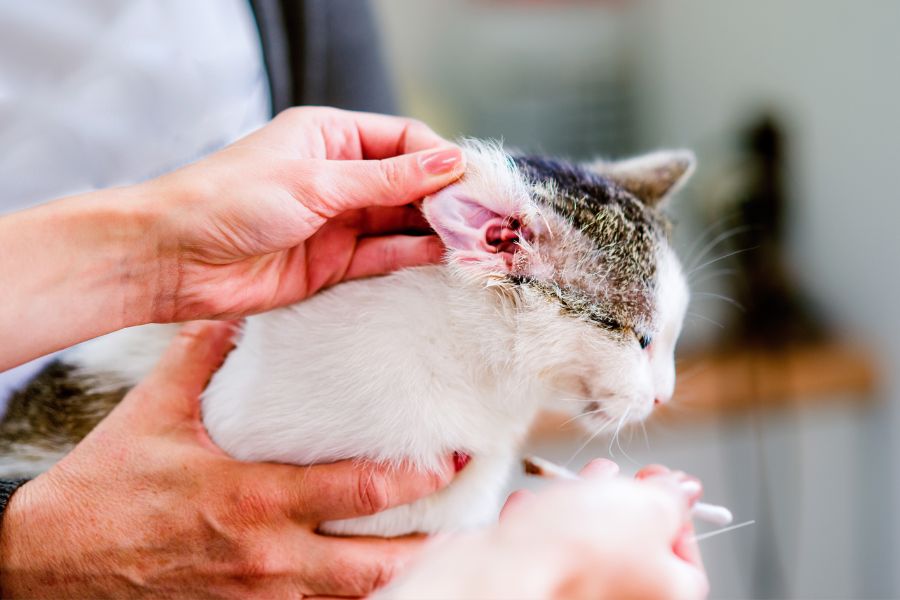
Ear infections in pets are common, especially in dogs and cats with floppy ears or allergies. Left untreated, they can lead to pain, hearing loss, and serious complications. This guide explains ear infection in pets, covering symptoms, causes, vet-approved ear infection treatment for dogs and cats, and practical prevention strategies. Whether you’re looking to treat ear infection in pets or prevent future occurrences, these tips from an expat vet will help keep your furry friend healthy and comfortable.
What Is an Ear Infection in Pets?
An ear infection in pets occurs when bacteria, yeast, or parasites like ear mites overgrow inside the ear canal. Dogs and cats can experience external (outer ear) or middle ear infections.
Common Symptoms Include:
- Scratching or pawing at the ears
- Head shaking or tilting.
- Red, inflamed ear canals
- Foul odor or discharge
- Sensitivity when touching the ears
- Crusty or scabby skin around the ear
Recognizing these signs early allows for timely treatment and reduces the risk of chronic infections.
Causes of Ear Infections in Dogs and Cats
Understanding the root cause helps prevent recurrent ear infections. Some common causes include:
- Bacteria and Yeast Overgrowth: The most frequent culprit in both dogs and cats.
- Ear Mites: Tiny parasites that cause intense itching, mostly in cats and puppies.
- Allergies: Food allergies or environmental allergens like pollen can trigger inflammation.
- Excess Moisture: Dogs that swim often or cats that get wet frequently are at higher risk.
- Anatomical Factors: Floppy-eared breeds, like Cocker Spaniels, have less airflow in the ear canal.
- Foreign Objects: Grass seeds, dirt, or debris can irritate the ear canal and lead to infection.
Vet-Approved Ear Infection Treatment for Pets
If your pet shows signs of an ear infection, it’s crucial to seek professional care. Vet-approved ear infection treatment for dogs and cats ensures proper diagnosis and safe healing.
Typical Treatment Steps:
- Ear Cleaning: The vet may gently clean your pet’s ear canal to remove wax, debris, or discharge.
- Medication: Depending on the infection type:
- Antibiotics for bacterial infections
- Antifungal drops for yeast infections
- Anti-inflammatory medications to reduce swelling and pain
- Ear Mite Treatment: Prescription drops or ointments eliminate mites effectively.
- Follow-Up Care: A recheck ensures the infection is fully resolved and prevents recurrence.
How to Treat Ear Infections in Pets at Home
While vet treatment is essential, some home care steps can support healing:
- Keep Ears Dry: Avoid swimming or bathing until cleared by a vet.
- Apply Vet-Recommended Drops: Follow the prescribed schedule precisely.
- Monitor Symptoms: Track improvement or worsening signs; seek veterinary care if the infection persists.
- Prevent Scratching: Use an Elizabethan collar if your pet keeps pawing at their ears.
Home remedies like vinegar or hydrogen peroxide should only be used if approved by a vet, as they can irritate the ear canal.
Preventing Ear Infections in Dogs and Cats
Preventing infections is often easier than treating them. Follow these pet dental hygiene tips for ear health:
- Regular Ear Checks: Inspect your pet’s ears weekly for redness, odor, or discharge.
- Routine Cleaning: Use vet-approved ear cleansers for dogs and cats prone to infections.
- Keep Ears Dry: Gently dry your pet’s ears after baths or swimming.
- Diet and Allergy Management: A balanced diet and addressing allergens reduce inflammation risk.
- Grooming: Trim hair around the ears to increase airflow in dogs with long or floppy ears.
- Prompt Vet Visits: Early detection of minor irritations can prevent full-blown infections.
Why Professional Care Matters
Even with the best home routine, pets can still develop infections due to their anatomy or underlying conditions. Professional guidance ensures your pet receives an accurate diagnosis and the right ear infection treatment for dogs and cats.
Veterinarians also catch early signs of recurring problems such as polyps, chronic allergies, or ear canal narrowing—issues that often mimic simple infections but require specialized treatment.
Common Myths About Pet Ear Infections
- Myth 1: “Ear infections will go away on their own.”
Ear infections usually worsen without treatment. Delay can cause chronic problems. - Myth 2: “All ear infections are caused by bacteria.”
Yeast, mites, allergies, and foreign objects can also trigger infections. - Myth 3: “Over-the-counter drops are safe for pets.”
Only vet-approved medications are safe; human drops can harm your pet.
Understanding the facts helps you protect your pet effectively.
Conclusion
Ear infections in dogs and cats are common but manageable with proper care. Recognizing symptoms early, following vet-approved ear infection treatment for pets, and implementing preventive strategies can protect your furry friends from pain and long-term damage.
If you are in Bloomingdale, GA, and searching for an animal clinic near me. Pooler Veterinary Hospital is the right choice for compassionate, advanced, and reliable pet care.
FAQs
Q1: How can I tell if my dog or cat has an ear infection?
Ans: Look for scratching, head shaking, redness, foul odor, or discharge. Pain when touching the ear is also a common sign.
Q2: Can ear infections in pets go away without treatment?
Ans: Most ear infections worsen without proper vet care and can become chronic or cause hearing loss.
Q3: What is the best way to clean my pet’s ears safely?
Ans: Use vet-approved ear cleansers and avoid cotton swabs deep in the ear canal. Clean weekly for pets prone to infections.
Q4: Are certain dog breeds more prone to ear infections?
Ans: Yes, floppy-eared breeds like Cocker Spaniels, Basset Hounds, and Labradors are more susceptible due to reduced airflow in the ear canal.
Q5: How long does treatment for an ear infection in pets usually take?
Ans: Most infections improve within 7–14 days with proper medication, but follow-up visits ensure complete healing.


Ready To Visit Us?
We proudly serve the pets of Pooler, Bloomingdale, Savannah, Port Wentworth, Guyton,
Chatham County, GA and the surrounding areas. At every stage of your pet’s life, we are dedicated to giving
them veterinary treatment of the highest quality.