info@poolervet.com

How to Stop Your Dog from Eating Grass: 6 Vet-Approved Methods
Book Online
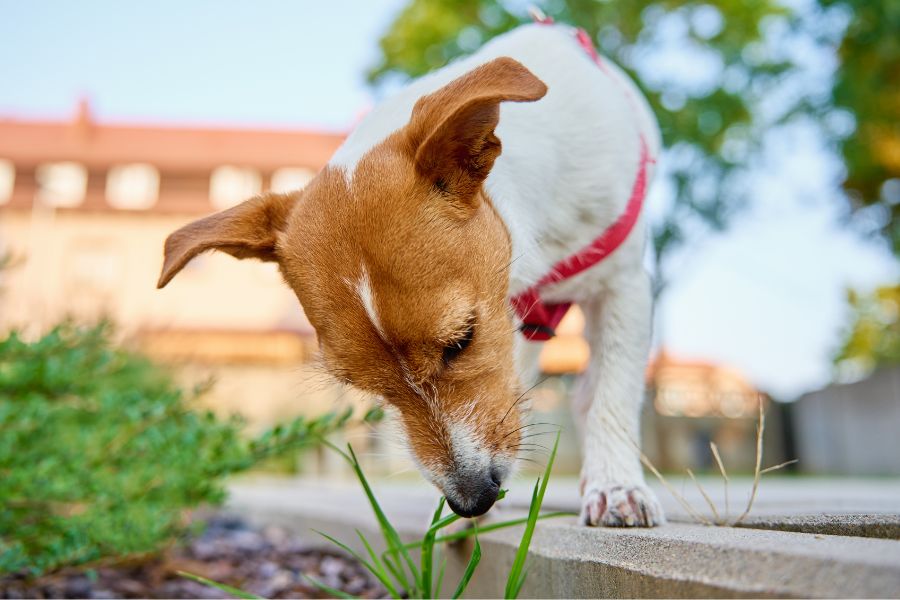
If you’ve ever caught your pup munching on your lawn, you’re not alone. Dog eating grass is one of the most common concerns pet owners bring to the vet. While dog eating grass is normal in many cases, frequent grazing can signal boredom, digestive upset, or nutritional gaps.
In this guide, we’ll explain why dogs do it, when to worry, and share top 6 vet-approved methods to stop dog eating grass safely. Whether you have an adult dog or puppies that eat grass regularly, this article will help you understand and manage the behavior with confidence.
Is Dog Eating Grass Normal?
Yes, in most cases, dog eating grass is normal behavior. Studies suggest that many healthy dogs occasionally eat grass without showing signs of illness. In fact, fewer than 25 percent vomit afterward.
Here are common reasons dogs chew grass:
- Curiosity or instinct
- Boredom
- Mild digestive discomfort
- Natural scavenging behavior
- Enjoying the taste or texture
Wild canines such as wolves also consume plant matter. So if your otherwise healthy dog occasionally grazes and seems fine, it is usually not a medical emergency.
However, if your dog eats grass excessively, vomits repeatedly, or shows signs of lethargy, it’s time to consult your nearest veterinarian.
Why Do Puppies Eat Grass More Often?
Many owners notice that puppies eat grass more frequently than adult dogs. This behavior is often exploratory. Puppies learn about their environment through their mouths, much like human toddlers.
Common reasons include:
- Teething discomfort
- Curiosity about textures
- Lack of structured play
- Developing digestive systems
Most puppies outgrow frequent grass eating as they mature, especially with proper training and enrichment.
When Should You Be Concerned?
Although dog eating grass is normal behavior, watch for red flags:
- Frequent vomiting after eating grass
- Diarrhea
- Loss of appetite
- Sudden increase in grass consumption
- Signs of abdominal pain
Another concern is lawn treatment chemicals. Fertilizers, herbicides, and pesticides can be toxic if ingested. Even small amounts may cause gastrointestinal upset or more serious poisoning.
If symptoms appear after your dog grazes, contact your nearest veterinarian promptly.
Vet-Approved Methods to Stop Dog Eating Grass
If you want to stop your dog from eating grass, focus on identifying the underlying cause rather than just correcting the behavior. Here are six proven strategies veterinarians recommend.
1. Improve Your Dog’s Diet
Nutritional deficiencies are rare with high-quality commercial dog food, but fiber imbalance can sometimes play a role.
Consider:
- Switching to a premium, balanced formula
- Adding vet-approved fiber sources like plain canned pumpkin
- Ensuring your dog is eating appropriate portions
Never change your dog’s diet abruptly. Transition gradually over 7 to 10 days to prevent stomach upset.
2. Increase Mental and Physical Stimulation
Boredom is a major reason dogs graze outdoors. If your dog eats grass primarily in the yard, enrichment may be the solution.
Try:
- Longer daily walks
- Puzzle feeders
- Interactive toys
- Obedience training sessions
- Rotating toys weekly
A mentally stimulated dog is less likely to develop repetitive behaviors like grass chewing.
3. Redirect the Behavior During Walks
If your dog constantly stops to graze on walks, training can help.
Steps to follow:
- Use a short leash for better control.
- Teach a strong “leave it” command.
- Reward immediately with praise or treats when your dog ignores grass.
- Stay consistent.
Positive reinforcement is far more effective than punishment.
4. Rule Out Digestive Issues
Some dogs eat grass when they feel mild nausea or stomach discomfort. If the behavior is new or excessive, your veterinarian may recommend:
- Fecal testing
- Deworming
- Probiotics
- Dietary adjustments
Addressing underlying gastrointestinal issues often helps prevent your dog from eating grass long term.
5. Provide Safe Alternatives for Chewing
Dogs naturally enjoy chewing. If your dog seeks texture, provide safe options such as:
- Veterinary-approved dental chews
- Rubber chew toys
- Frozen carrots
- Long-lasting treat toys
Giving appropriate outlets reduces the urge to chew grass outdoors.
6. Manage the Environment
If grass eating happens mainly in your yard:
- Supervise outdoor time
- Remove access temporarily
- Keep grass trimmed
- Avoid chemical lawn treatments
Environmental management is especially important if your dog tends to overindulge.
Does Grass Help Dogs Vomit?
Many people believe that dogs eat grass to induce vomiting. Research suggests this is not usually intentional. Most dogs that consume grass do not appear ill beforehand and do not vomit afterward.
Occasional vomiting can occur because grass blades may irritate the stomach lining. However, it is rarely a purposeful self-treatment strategy.
How to Prevent Dog Eating Grass Long Term
Long-term prevention depends on consistency. Focus on:
- Balanced nutrition
- Regular exercise
- Routine veterinary checkups
- Positive training methods
- Structured daily routines
Most cases of grass eating improve significantly once boredom or minor digestive discomfort is addressed.
Final Thoughts
In most cases, a dog eating grass is normal and not a cause for alarm. However, excessive grazing, vomiting, or sudden behavior changes should never be ignored. By improving diet, increasing enrichment, and using consistent training, you can successfully stop your dog from eating grass and keep your pet healthy.
If you are searching for trusted veterinary guidance in Bloomingdale, the experienced vet team at Pooler Veterinary Hospitalis here to help. Schedule an appointment and ensure your dog’s health and happiness.
FAQs
Q1: Is dog eating grass a sign of illness?
Ans: Not usually. Dog eating grass is normal for many healthy pets. However, frequent vomiting or other symptoms should be evaluated by a veterinarian.
Q2: Why do puppies eat grass more than adult dogs?
Ans: Puppies eat grass mainly due to curiosity, teething, and exploration. Most outgrow the behavior with training and maturity.
Q3: How can I stop my dog from eating grass during walks?
Ans: Teach a reliable “leave it” command, use a short leash, and reward positive behavior consistently.
Q4: Can eating grass hurt my dog?
Ans: Grass itself is generally harmless, but pesticides, parasites, or sharp blades can cause problems. Supervision is important.
Q5: What should I do if my dog vomits after eating grass?
Ans: If vomiting happens once and your dog acts normally, monitor at home. If vomiting is frequent or accompanied by lethargy or diarrhea, contact your veterinarian promptly.



Ready To Visit Us?
We proudly serve the pets of Pooler, Bloomingdale, Savannah, Port Wentworth, Guyton,
Chatham County, GA and the surrounding areas. At every stage of your pet’s life, we are dedicated to giving
them veterinary treatment of the highest quality.