info@poolervet.com

What a Pet Blood Panel Can Reveal Before Symptoms Even Appear
Request Appointment
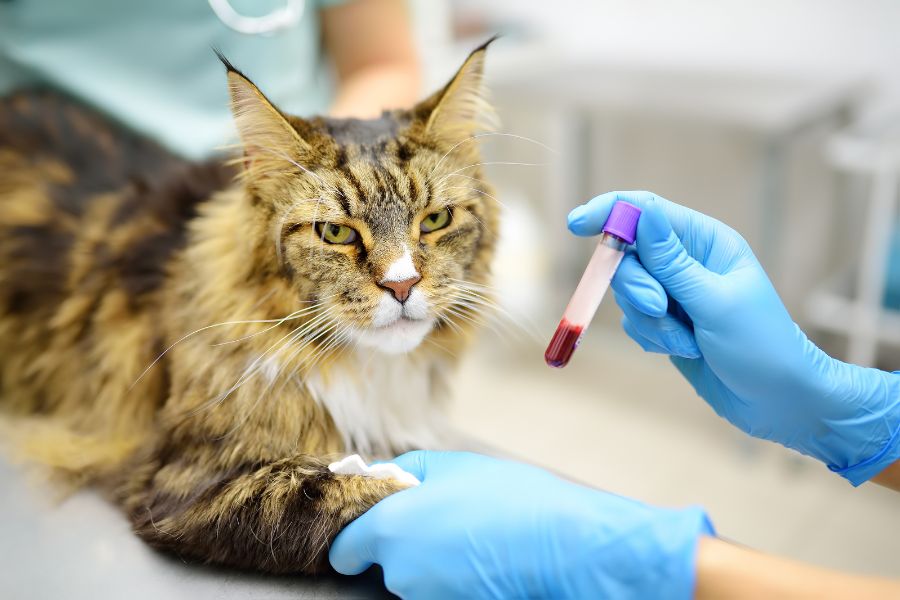
Your pet looks perfectly fine. They’re eating well, playing normally, and showing no signs of trouble. But inside, something could already be changing. A blood panel can catch those changes months or even years before your pet shows a single symptom. That is one of the most powerful tools we have in veterinary medicine today. Pet blood panel results give us a detailed snapshot of how your pet’s organs are functioning right now, not just how they appear on the outside. For pet owners in Bloomingdale and the surrounding area, this kind of early information can be life-saving. Many serious conditions, including kidney disease, diabetes, and liver problems, are far easier to treat when caught early. This article explains exactly what a blood panel checks, what the results mean, and why waiting for symptoms often means waiting too long.
Understanding What a Pet Blood Panel Actually Checks
A pet blood panel is a laboratory test that analyzes your pet’s blood sample for dozens of individual markers. These markers reflect how well your pet’s organs are working. They also reveal levels of red and white blood cells, proteins, enzymes, glucose, and electrolytes.
Most standard panels include two major components. The first is a complete blood count, or CBC. This measures red blood cells, white blood cells, and platelets. The second is a blood chemistry panel. This test organ function, including the kidneys, liver, and pancreas.
Early pet health detection is one of the biggest benefits of running routine bloodwork. Research suggests that nearly 1 in 7 dogs and 1 in 5 cats that appear completely healthy have an underlying condition detectable through blood testing. That number is not small. It means many pets walking around today are silently dealing with something their owners cannot see.
What Pet Blood Panel Results Can Reveal Early
What can pet blood panel results actually catch before symptoms appear? A wide range of serious conditions can be identified at an early, more treatable stage.
Here are some of the most common conditions detected through routine bloodwork:
- Kidney disease: Elevated creatinine and BUN levels signal the kidneys are struggling. By the time a pet shows symptoms like weight loss or increased thirst, they may have already lost 65 to 75 percent of kidney function.
- Liver disease: Elevated liver enzymes, such as ALT and ALP, can appear long before a pet shows yellowing of the skin or decreased appetite.
- Diabetes: High blood glucose levels are a clear early marker. Catching this early means better blood sugar control and a healthier life for your pet.
- Thyroid disorders: Abnormal thyroid hormone levels, especially in older cats, can signal hyperthyroidism before dramatic weight loss occurs.
- Anemia: A low red blood cell count can point to internal bleeding, bone marrow problems, or chronic disease.
- Infections and inflammation: Elevated white blood cell counts are often the first clue that something is fighting an infection your pet is not yet showing signs of.
In our experience, many pet owners are shocked to learn their pet had a diagnosable condition during a routine wellness visit. They came in expecting a simple checkup and left with a treatment plan that may have added years to their pet’s life.
How Often Should Pets Get Routine Bloodwork for Pets?
How often should your pet have blood work done? The answer depends on your pet’s age and health history, but here are general guidelines.
For young, healthy pets, routine bloodwork for pets is recommended at least once every one to two years. This creates a personal health baseline. When something shifts in future results, your vet can compare it to what is normal for your specific animal.
For senior pets, meaning dogs over age seven and cats over age ten, annual or even twice-yearly blood panels are strongly recommended. The American Veterinary Medical Association (AVMA) supports regular wellness screening for aging pets because age-related conditions accelerate quickly in animals.
We frequently remind our clients that pets age much faster than humans do. One human year is roughly equivalent to five to seven pet years, depending on the species and breed. A lot can change in twelve months.
Pet owners often tell us they assumed bloodwork was only needed when something was obviously wrong. That is one of the most common misconceptions we encounter. By the time something is obviously wrong, early treatment windows are often already closed.
What to Expect During a Blood Panel Appointment
What happens during a pet blood panel visit? The process is simple and usually takes less than thirty minutes from start to finish.
Here is what a typical appointment looks like at our clinic:
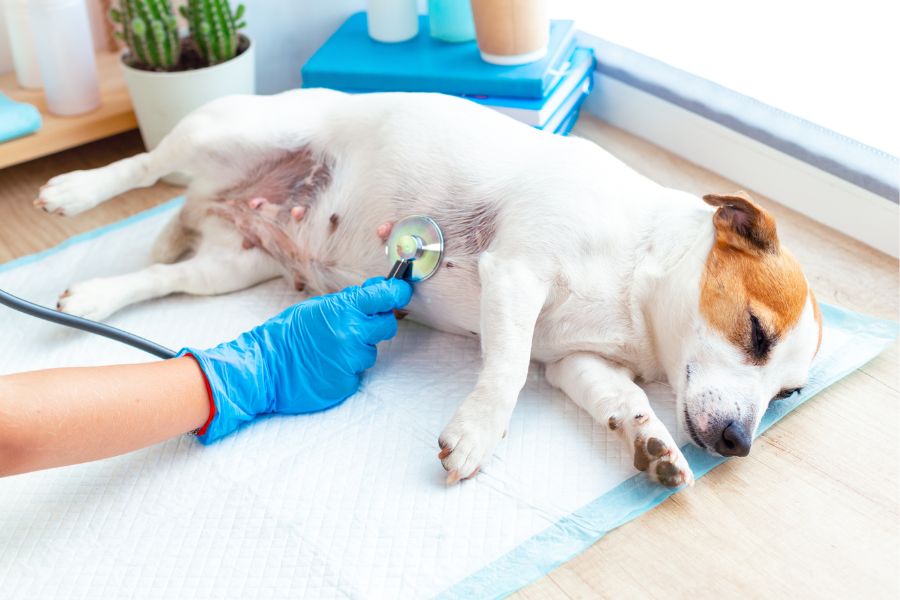
- Your vet performs a brief physical exam to check the overall condition before drawing blood.
- A small blood sample is drawn, usually from a vein in the neck or front leg. Most pets tolerate this with minimal stress.
- The sample is sent to an in-house or external laboratory for analysis.
- Results are reviewed by your veterinarian, who interprets every marker in the context of your pet’s age, breed, and history.
- Your vet contacts you to discuss the findings and recommend any follow-up care.
Pet wellness lab tests like this are non-invasive and carry very low risk. For pets with a fear of the vet, our team uses calm, gentle handling techniques to make the experience as smooth as possible. Dog and cat blood test results from an in-house lab can often be ready within the same appointment.
Catching Problems Early Makes Treatment Easier
Early pet health detection is not just about knowing sooner. It is about having better options when you do know.
When a condition like kidney disease is caught at Stage 1, dietary changes and supplements can dramatically slow its progression. The same condition caught at Stage 3 or 4 often requires more aggressive intervention and carries a poorer long-term outlook.
Catching problems early also reduces the cost of care over time. A blood panel costs far less than treating an advanced condition that was allowed to progress undetected. Pet wellness lab tests are one of the most cost-effective investments a pet owner can make.
In Georgia’s warm, humid climate, parasites and tick-borne illnesses like ehrlichiosis and anaplasmosis are also a real concern year-round. These diseases affect blood cell counts and organ function in ways that a blood panel can catch early, often before a pet shows any visible signs of illness.
Dog and cat blood test results can also reveal heartworm exposure and other vector-borne diseases that are common in the Southeast. At Pooler Veterinary Hospital, we build blood panel screening into our wellness care plan for exactly this reason.
Conclusion
Your pet cannot tell you when something feels off. That is why blood work speaks for them. Pet blood panel results give your veterinarian the information needed to detect illness early, adjust care proactively, and give your pet the best possible chance at a long, healthy life. Waiting for visible symptoms is a strategy that too often leads to harder treatments and harder outcomes. Routine screening is simple, fast, and one of the most important things you can do as a pet owner. Whether your dog or cat is young and healthy or entering their senior years, a blood panel is worth scheduling. Book an appointment today.
Frequently Asked Questions
What does a pet blood panel check?
Ans: A pet blood panel checks organ function, red and white blood cell counts, glucose and protein levels, and key liver and kidney enzymes. Together, these markers give your vet a detailed picture of your pet’s internal health, even when they appear normal on the outside.
At what age should I start getting blood work done for my pet?
Ans: Most vets recommend establishing a blood-work baseline during your pet’s first adult wellness visit, usually around age 1 to 2. For senior pets, dogs over seven and cats over ten, annual or twice-yearly panels are typically recommended to monitor age-related changes.
Is a blood panel safe for my pet?
Ans: Yes. Drawing blood is a routine, low-risk procedure. The sample is taken from a small vein, and the process usually takes only a few minutes. Most pets experience little to no discomfort and recover immediately.
Can blood work detect cancer in pets?
Ans: Some blood panels can reveal markers consistent with certain types of cancer, including abnormal white blood cell counts that may suggest leukemia or bone marrow issues. However, blood work alone is not a definitive cancer diagnosis. Your vet may recommend additional imaging or testing if results raise concern.
How long does it take to get pet blood work results?
Ans: In-house lab results are often available within the same appointment or within a few hours. Samples sent to an external laboratory typically return results within one to three business days. Your vet will contact you to review findings and discuss next steps.



Ready To Visit Us?
We proudly serve the pets of Pooler, Bloomingdale, Savannah, Port Wentworth, Guyton,
Chatham County, GA and the surrounding areas. At every stage of your pet’s life, we are dedicated to giving
them veterinary treatment of the highest quality.