info@poolervet.com

Golden Retriever Hemangiosarcoma: Why Early Detection Saves Lives
Request Appointment

Golden retriever hemangiosarcoma is one of the most aggressive and life-threatening cancers affecting this beloved breed. It often develops silently, showing little to no symptoms until it reaches a critical stage. In this guide, we’ll explain hemangiosarcoma symptoms, early warning signs, treatment options, and preventative care so you can take action early and potentially save your dog’s life.
What Is Golden Retriever Hemangiosarcoma?
Golden retriever hemangiosarcoma is a fast-growing cancer that originates in the cells lining blood vessels. Because of this, tumors tend to form in areas with a rich blood supply, most commonly:
- The spleen
- The heart (right atrium)
- The liver
- Skin and subcutaneous tissues
These tumors are fragile and filled with blood, which makes them prone to sudden rupture. When this happens, it can cause internal bleeding that quickly becomes life-threatening.
What makes this cancer especially dangerous is that it often grows undetected. Many dogs appear completely normal until a sudden collapse occurs, which is why early awareness is so important.
Why Golden Retrievers Are at Higher Risk
Golden Retrievers are one of the breeds most commonly diagnosed with hemangiosarcoma. While research is ongoing, several factors contribute to this increased risk:
- Genetic predisposition: Certain family lines show a higher occurrence
- Age factor: Most cases are seen in dogs older than 6–8 years
- Breed-specific vulnerability: Larger breeds tend to be more susceptible
In Bloomingdale, where many dogs live active outdoor lifestyles, subtle health changes can easily go unnoticed. Regular veterinary checkups become essential for catching early abnormalities before they escalate.
Hemangiosarcoma Early Signs You Should Never Ignore
Recognizing the early signs of hemangiosarcoma is challenging because they are often mild and inconsistent. However, noticing these subtle changes can make a life-saving difference.
Early warning signs include:
- Low energy or unusual tiredness
- Slight decrease in appetite
- Pale or whitish gums
- Mild abdominal swelling
- Occasional weakness or wobbliness
- Brief collapse followed by quick recovery
These symptoms may appear and disappear, which can make them easy to dismiss. However, they often indicate slow internal bleeding or tumor growth.
If you notice even one or two of these signs, especially in an older Golden Retriever, it’s best to schedule a veterinary visit promptly.
Common Hemangiosarcoma Symptoms in Advanced Stages
As the disease progresses, hemangiosarcoma symptoms become more severe and obvious. Unfortunately, many cases are only identified at this stage.
Advanced symptoms include:
- Sudden collapse or fainting episodes
- Rapid or labored breathing
- Swollen or distended abdomen
- Weak pulse and lethargy
- Cold limbs and weakness
- Signs of shock
At this point, the tumor may have ruptured, causing internal bleeding. This is a medical emergency that requires immediate veterinary care.
How Hemangiosarcoma Is Diagnosed
Diagnosing golden retriever hemangiosarcoma early can be difficult, but advancements in veterinary medicine have improved detection.
Diagnostic tools commonly used include:
1. Physical Examination
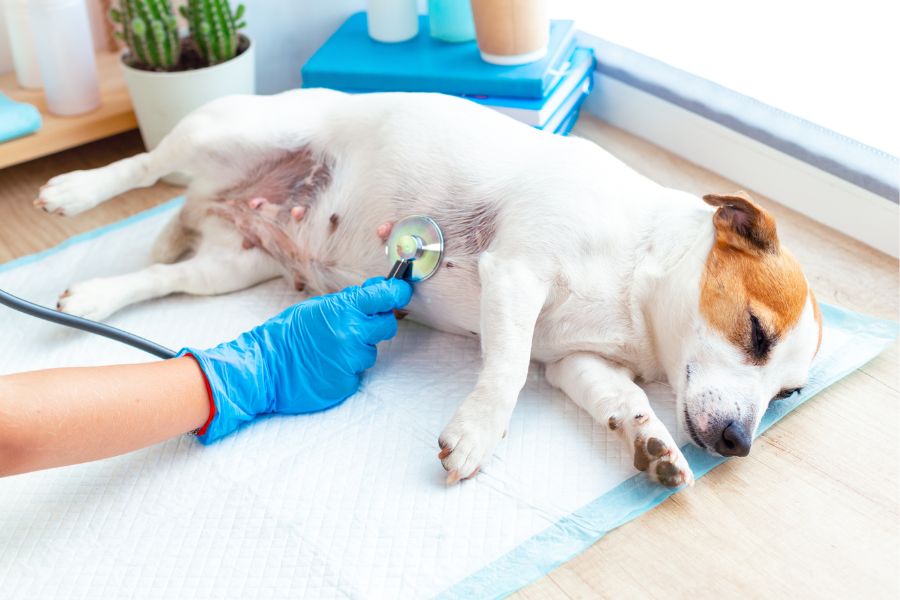
Veterinarians check for pale gums, abdominal swelling, or irregular heart rhythms.
2. Ultrasound Imaging
One of the most effective tools for identifying tumors in the spleen or liver.
3. X-rays
Used to detect spread to the lungs or chest cavity.
4. Blood Tests
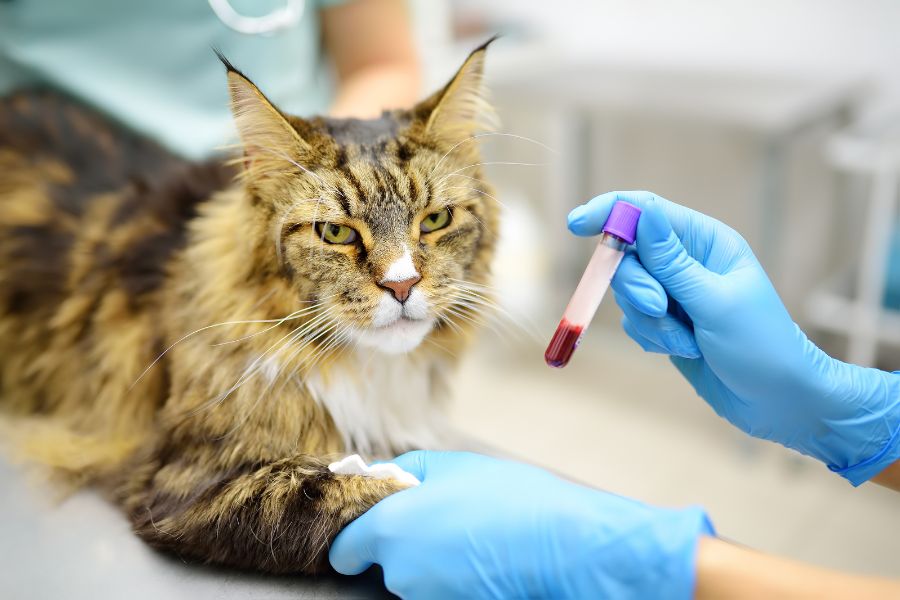
Help identify anemia, internal bleeding, and organ function issues.
5. Echocardiogram
Specialized imaging to detect tumors in the heart.
Routine screening, especially for senior Golden Retrievers, significantly increases the chances of catching tumors before they rupture.
Hemangiosarcoma Treatment Options
Treatment for hemangiosarcoma depends on how early the disease is detected and whether it has spread to other organs.
1. Surgery (Splenectomy)
- Removal of the spleen if a tumor is present
- Often performed in emergencies
- Can stabilize the dog after internal bleeding
2. Chemotherapy
- Recommended after surgery in many cases
- Helps slow the spread of cancer
- Can extend survival time by several months
3. Emergency and Supportive Care
- Blood transfusions for severe blood loss
- IV fluids and stabilization
- Pain management
While hemangiosarcoma is aggressive, early intervention can improve both lifespan and comfort.
The Importance of Preventive Care
Although you cannot completely prevent golden retriever hemangiosarcoma, consistent preventative care can dramatically improve early detection.
Preventative care tips:
- Schedule wellness exams every 6–12 months
- Perform annual or semi-annual ultrasounds for senior dogs
- Run routine blood tests
- Monitor your dog’s energy, appetite, and behavior at home
In Bloomingdale, where pets often enjoy outdoor play and exercise, subtle signs of illness can be overlooked. Staying proactive helps catch issues early.
Why Early Detection Truly Saves Lives
Early detection is the most critical factor in managing this disease. When hemangiosarcoma’s early signs are recognized and investigated promptly:
- Tumors can be found before rupture
- Planned surgery is safer than emergency surgery
- Treatment options are more effective
- Dogs experience a better quality of life
In some cases, early treatment can extend a dog’s life by several months to over a year, compared to only days or weeks if diagnosed late.
When Should You See a Veterinarian?
You should never ignore unusual symptoms, especially in a high-risk breed like Golden Retrievers.
Contact your vet immediately if your dog shows:
- Sudden weakness or collapse
- Pale gums
- Rapid breathing
- Swollen abdomen
Even mild symptoms like fatigue or reduced appetite should be evaluated if they persist.
At Pooler Veterinary Hospital, pet owners in Bloomingdale can access comprehensive diagnostic care and early screening tailored specifically for at-risk breeds like Golden Retrievers.
Supporting Your Dog After Diagnosis
A diagnosis of hemangiosarcoma can feel overwhelming, but there are still meaningful ways to support your dog.
Focus on:
- Maintaining comfort and minimizing pain
- Providing a calm, stress-free environment
- Keeping routines consistent
- Monitoring for changes in condition
Many dogs continue to enjoy happy moments with their families even after diagnosis, especially when care is managed properly.
Conclusion:
Golden retriever hemangiosarcoma is a silent but aggressive cancer that requires awareness and quick action. Understanding hemangiosarcoma symptoms, recognizing early warning signs, and prioritizing preventative care can make a life-saving difference.
If your Golden Retriever is showing any unusual signs or is due for a wellness check, don’t wait. Schedule an appointment with Pooler Veterinary Hospital today and take a proactive step toward protecting your dog’s health and future.
FAQs:
Q1: What are the early signs of hemangiosarcoma in Golden Retrievers?
Ans: Early signs include fatigue, pale gums, reduced appetite, and occasional weakness or collapse that may appear briefly and then resolve.
Q2: How long can a dog live with hemangiosarcoma?
Ans: With treatment, dogs may live several months to a year. Without treatment, survival is often only days to weeks after diagnosis.
Q3: Is hemangiosarcoma painful for dogs?
Ans: It may not cause pain initially, but as tumors grow or rupture, it can lead to discomfort, internal bleeding, and emergencies.
Q4: Can hemangiosarcoma be detected early?
Ans: Yes, routine ultrasounds, blood work, and regular vet visits can help detect abnormalities before symptoms become severe.
Q5: What should I do if my dog collapses suddenly?
Ans: Seek emergency veterinary care immediately, as this could indicate internal bleeding from a ruptured tumor and requires urgent treatment.


Ready To Visit Us?
We proudly serve the pets of Pooler, Bloomingdale, Savannah, Port Wentworth, Guyton,
Chatham County, GA and the surrounding areas. At every stage of your pet’s life, we are dedicated to giving
them veterinary treatment of the highest quality.