info@poolervet.com

Lilies Poisoning in Dogs: How to Recognize the Signs & Act Fast
Request Appointment

Lily poisoning in dogs is a serious but often misunderstood risk for pet owners. While lilies are commonly associated with toxicity in cats, certain varieties can also harm dogs if ingested. If your dog ate a lily, acting quickly is crucial to prevent complications. This detailed guide explains the most important lily poisoning signs, what immediate steps to take, treatment options, and how a health diagnostic test helps veterinarians assess your dog’s condition.
What Makes Lilies Dangerous for Dogs?
Lilies are popular decorative plants found in many homes and gardens. Their beauty often masks the hidden danger they pose to pets. While dogs are generally less sensitive to lilies compared to cats, ingestion can still lead to uncomfortable and sometimes serious health issues.
Certain types of lilies contain compounds that irritate a dog’s digestive system. In some cases, depending on the type and amount consumed, they may also affect internal organs.
Common toxic flowers for dogs include:
- Peace lilies
- Calla lilies
- Peruvian lilies
- Daylilies (mild to moderate effects in dogs)
Even indirect exposure, such as drinking water from a vase containing lilies or licking pollen off their fur, can lead to lily poisoning in dogs.
Lily Poisoning Signs Every Dog Owner Should Watch For
Recognizing early lily poisoning signs can make a major difference in your dog’s recovery. Symptoms can begin within a few hours after ingestion and may escalate if untreated.
Early Symptoms:
- Vomiting
- Drooling or excessive salivation
- Loss of appetite
- Mild stomach discomfort
Moderate Symptoms:
- Lethargy or weakness
- Diarrhea
- Signs of dehydration
- Reduced activity levels
Severe Symptoms (less common but urgent):
- Tremors
- Difficulty walking
- Abnormal behavior
- Possible kidney stress in rare cases
If your dog ate a lily and shows any of these symptoms, immediate veterinary attention is strongly recommended.
What To Do If Your Dog Ate Lily
Taking the right steps quickly can significantly reduce the risk of complications from lily poisoning in dogs.
1. Remove the Source Immediately
Ensure your dog cannot access the plant anymore. Remove any remaining pieces from their mouth or surrounding area.
2. Observe Closely
Watch for any developing lily poisoning signs, even if your dog seems fine initially.
3. Contact Your Veterinarian
Call your vet right away and explain the situation. Early guidance can prevent worsening symptoms.
4. Avoid Home Remedies
Do not try to induce vomiting unless specifically instructed by a veterinarian. Incorrect methods can cause harm.
5. Collect Plant Information
Bring a sample or photo of the lily plant. Accurate identification helps determine toxicity level and treatment.
In Bloomingdale, quick access to veterinary clinics ensures your dog gets prompt and effective care.
How Vets Diagnose Lily Poisoning in Dogs
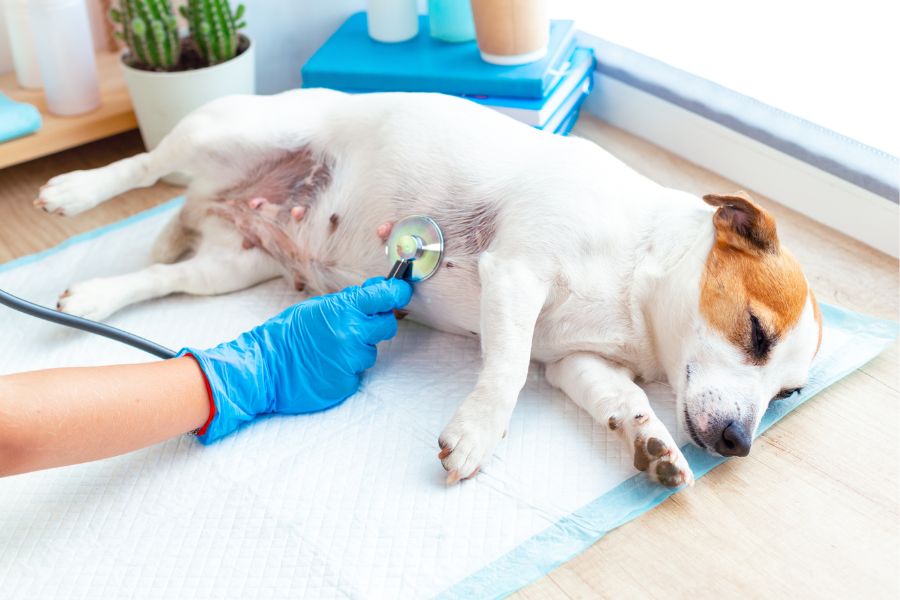
When you visit a clinic such as Pooler Veterinary Hospital, the veterinary team will focus on confirming whether your dog has been affected by toxins and how severe the exposure is.
Common diagnostic methods include:
- Physical examination
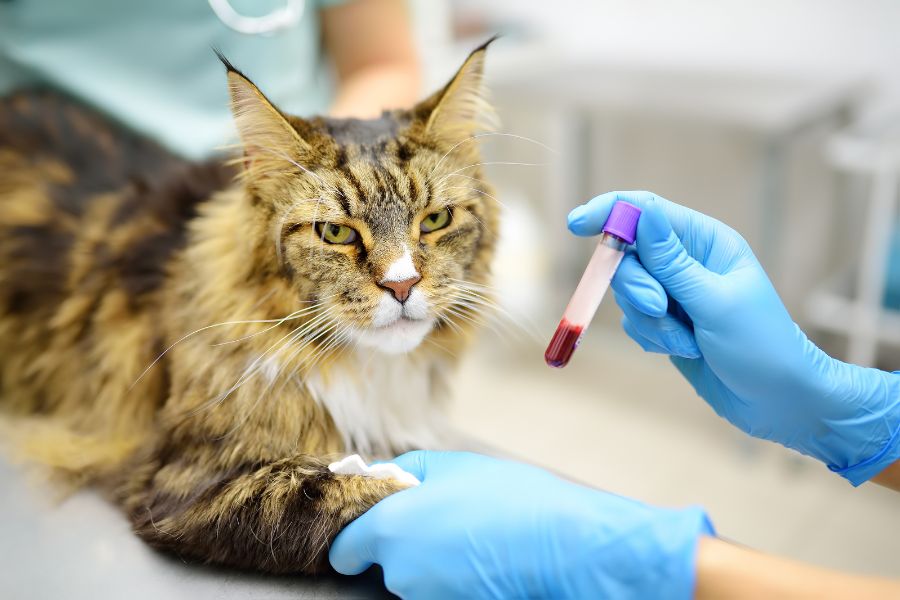
- Blood tests to evaluate organ function
- Urinalysis
- A comprehensive diagnostic test to detect toxin impact
These tests are essential to rule out complications and guide the appropriate treatment plan.
Treatment Options for Lily Poisoning in Dogs
The treatment approach depends on how quickly your dog receives care and the severity of the poisoning.
Early Treatment:
If caught early, vets may:
- Induce vomiting safely
- Administer activated charcoal to absorb toxins
Supportive Care:
- IV fluids to maintain hydration
- Medications to control nausea and vomiting
- Monitoring of vital signs
Advanced Care (if needed):
- Extended observation
- Repeat diagnostic test to track recovery
- Kidney function monitoring in rare severe cases
Most dogs recover well when treated promptly. Delayed treatment can lead to prolonged discomfort or complications.
Recovery and Aftercare
After treatment, your dog may need a few days to fully recover. Following your vet’s instructions is crucial.
At-home care tips:
- Provide fresh water at all times
- Feed a bland, easy-to-digest diet if recommended
- Limit physical activity temporarily
- Monitor for recurring symptoms
Follow-up visits and additional health diagnostic tests may be advised to ensure your dog’s system has fully stabilized.
Preventing Exposure to Toxic Flowers for Dogs
Prevention is the most effective way to avoid lily poisoning in dogs.
Inside Your Home:
- Avoid keeping lilies as indoor plants
- Place decorative flowers out of reach
- Clean pollen or fallen petals immediately
Outdoor Safety:
- Remove lilies and other toxic flowers for dogs from your yard
- Supervise your dog during outdoor playtime
During Walks:
- Keep your dog on a leash
- Prevent sniffing or chewing unknown plants
- Be cautious in public gardens and landscaped areas
Why Quick Action Matters
Time plays a critical role in managing lily poisoning in dogs. The sooner your dog receives care, the better the chances of a full recovery.
Benefits of early action:
- Reduces toxin absorption
- Prevents complications
- Shortens recovery time
- Minimizes treatment costs
Even mild symptoms should never be ignored when it comes to potential poisoning.
Local Insight for Pet Owners
Bloomingdale is known for its beautiful residential landscaping, especially during spring and summer. Many households use lilies in gardens and decorative arrangements, increasing the risk for curious pets.
Community events, garden centers, and even neighbors’ yards may expose dogs to these plants. Staying aware and proactive can help prevent accidental ingestion.
Pet owners in this region should be especially cautious during peak blooming seasons when exposure risk is highest.
Conclusion:
Lily poisoning in dogs is a preventable yet serious issue. Knowing the early lily poisoning signs and acting quickly if your dog ate lilies can make a life-saving difference. Always err on the side of caution and seek professional help if you suspect exposure.
At Pooler Veterinary Hospital, your dog’s health is the top priority. If you notice any unusual symptoms or suspect poisoning, don’t wait; book an appointment to ensure your pet receives immediate care.
FAQs
Q1: What should I do if my dog ate lily leaves?
Ans: If your dog ate lily leaves, contact your vet immediately. Early evaluation helps prevent symptoms from worsening and ensures timely treatment if needed.
Q2: Can Lily poisoning in dogs be fatal?
Ans: Severe cases are rare in dogs, but complications can occur. Prompt veterinary care significantly reduces risks and improves recovery outcomes.
Q3: How long does it take for symptoms to appear?
Ans: Lily poisoning signs in dogs usually appear within a few hours, including vomiting, drooling, and lethargy, depending on the amount consumed.
Q4: What tests are done for lily poisoning in dogs?
Ans: Vets may perform blood work, urinalysis, and a health diagnostic test to assess organ function and determine the severity of poisoning.
Q5: How can I keep my dog safe from toxic flowers?
Ans: Remove toxic flowers for dogs from your home and yard, supervise outdoor activity, and train your dog to avoid chewing plants.


Ready To Visit Us?
We proudly serve the pets of Pooler, Bloomingdale, Savannah, Port Wentworth, Guyton,
Chatham County, GA and the surrounding areas. At every stage of your pet’s life, we are dedicated to giving
them veterinary treatment of the highest quality.