info@poolervet.com

Cat Teeth Facts That Will Shock You
Request Appointment
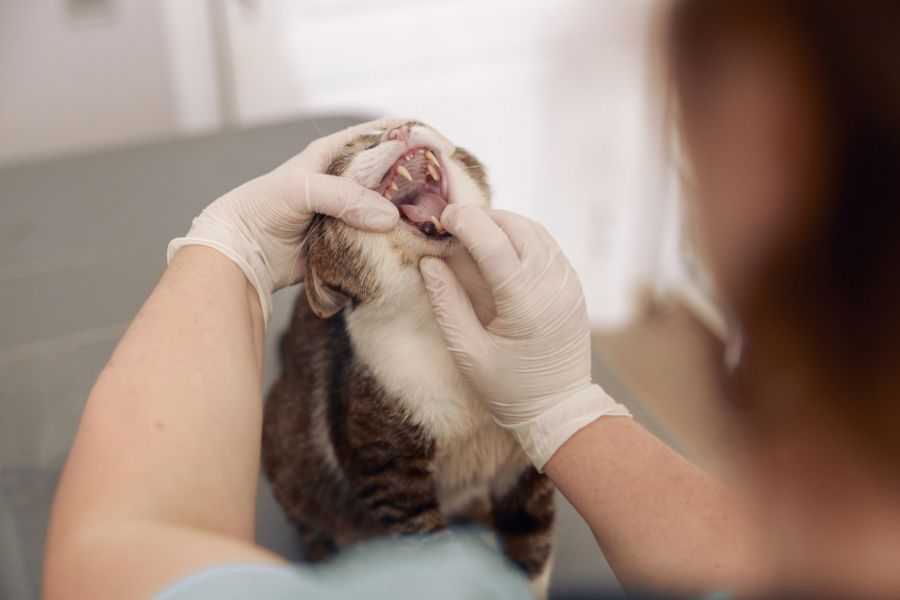
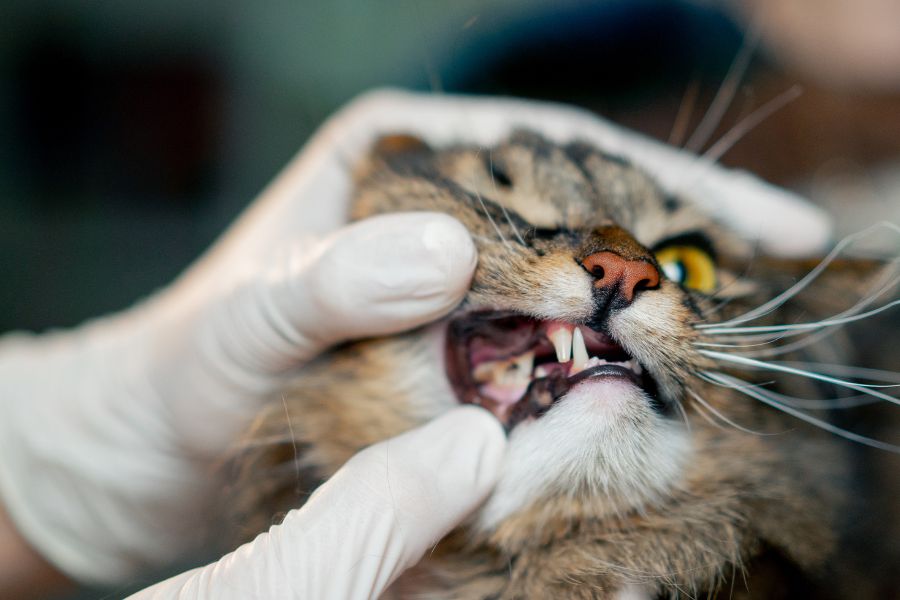
Think you know everything about your cat’s smile? Think again. Cat teeth facts that will shock you reveal just how unique and sometimes surprising your feline’s dental health really is. From how many teeth cats actually have to why dental care is critical for their overall health, this guide breaks it all down in a simple, practical way for pet owners and beyond.
How Many Teeth Do Cats Really Have?
One of the most surprising cat teeth facts that will shock you is the number of teeth your cat has.
- Kittens are born without teeth
- By 6 weeks, they develop 26 baby teeth
- Adult cats end up with 30 permanent teeth
These teeth are designed for hunting and tearing meat, not chewing like humans. That’s why your cat may swallow food quickly instead of chewing thoroughly.
In local homes around Bloomingdale, many cat owners assume dry food cleans teeth automatically. While it helps slightly, it’s not enough to prevent dental disease.
Cats Don’t Get Cavities Like Humans
Here’s one of the most misunderstood cat dental facts: cats rarely get cavities.
Instead, they suffer from other dental issues such as:
- Periodontal disease
- Tooth resorption (a painful condition where teeth break down)
- Gum infections
Tooth resorption affects nearly 60–70% of adult cats, making it one of the most common yet shocking discoveries for pet parents.
Cat Teeth Are Built for Hunting, Not Chewing
Unlike humans, cats are obligate carnivores. Their teeth are specifically designed to:
- Grip prey
- Tear flesh
- Crush bones
Their sharp canine teeth act like hooks, while their back teeth function like scissors. This explains why your cat doesn’t chew food the same way a dog might.
For indoor cats, this natural design often leads to plaque buildup since they’re not hunting like their wild counterparts.
Dental Disease Is Extremely Common in Cats
One of the most important cat teeth facts that will shock you is how common dental problems are.
By age 3:
- Over 70% of cats show signs of dental disease
Common symptoms include:
- Bad breath
- Drooling
- Difficulty eating
- Pawing at the mouth
- Red or bleeding gums
Many pet owners overlook these signs, thinking bad breath is normal; it’s not.
Cats Hide Dental Pain Really Well
Cats are experts at hiding discomfort. Even with severe dental issues, your cat may:
- Continue eating
- Act normal
- Show minimal visible symptoms
This survival instinct comes from their wild ancestry. Unfortunately, it also means dental problems often go unnoticed until they become serious.
Poor Dental Health Affects the Entire Body
Another shocking fact is how dental health connects to overall wellness.
Untreated dental disease can lead to:
- Heart problems
- Kidney disease
- Liver infections
Bacteria from infected gums can enter the bloodstream, affecting vital organs. This is why vets strongly emphasize preventive dental care.
Dry Food Alone Doesn’t Clean Teeth
Many cat owners believe kibble acts like a toothbrush. While it may reduce some plaque, it doesn’t replace proper dental care.
Better options include:
- Regular brushing with cat-safe toothpaste
- Dental treats approved by vets
- Professional cleanings
In humid areas, bacteria can thrive faster, making dental hygiene even more important.
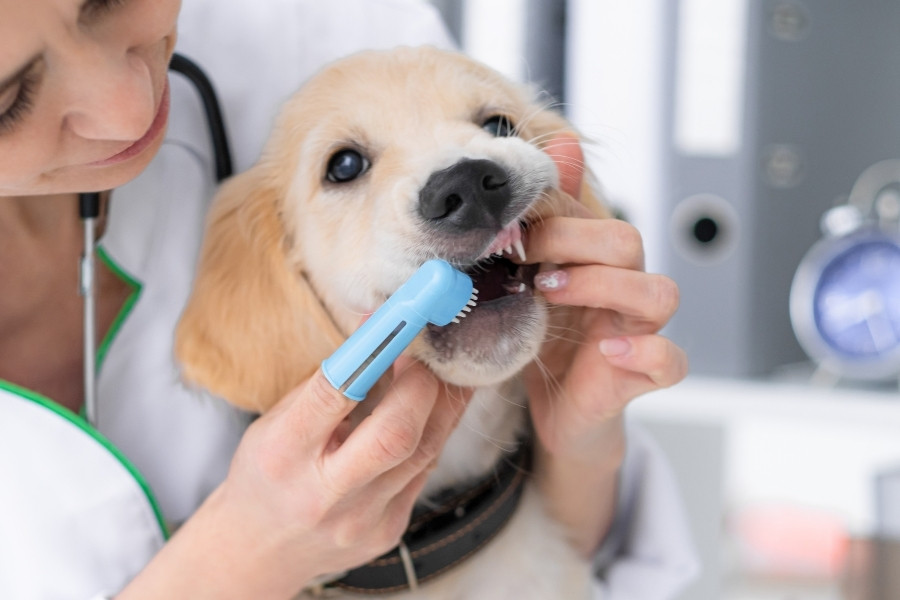
Brushing Your Cat’s Teeth Is Possible
Yes, you can brush your cat’s teeth, and it’s one of the best things you can do for their health.
Start with:
- A soft finger brush or cat toothbrush
- Flavored cat toothpaste (never human toothpaste)
- Gradual introduction to the routine
Even brushing a few times a week can significantly reduce plaque buildup.
Professional Dental Cleanings Are Essential
At-home care is important, but it’s not enough on its own.
Professional cleanings:
- Remove tartar below the gumline
- Include dental X-rays
- Help detect hidden issues
Most cats benefit from a dental cleaning once a year, depending on their health and age.
Kittens Lose Teeth, And You Might Not Notice
Another surprising fact: kittens lose their baby teeth just like human kids.
However:
- You’ll rarely find these teeth
- Cats usually swallow them
This process happens between 3–6 months of age and is completely normal.
Bad Breath Is a Warning Sign
If your cat’s breath smells unpleasant, it’s not just “cat breath.”
It could indicate:
- Gum disease
- Infection
- Tooth decay
Healthy cat breath should be relatively neutral. Persistent odor means it’s time for a vet visit.
Some Breeds Are More Prone to Dental Issues
Certain cat breeds are more likely to develop dental problems, including:
- Persians
- Siamese
- Maine Coons
These breeds may require more frequent dental checkups and care.
Conclusion
Your cat’s teeth do far more than just help them eat; they play a critical role in their overall health. These cat teeth facts that will shock you highlight why dental care should never be overlooked. From hidden pain to serious health risks, dental issues can impact your cat’s quality of life in ways many owners don’t realize.
If you are a cat parent in Bloomingdale and notice any signs of dental problems or want to stay ahead with dental care, schedule a checkup today at Pooler Veterinary Hospital. Keeping your cat’s teeth healthy is one of the best ways to ensure a long, happy life.
FAQs
Q1: How often should I brush my cat’s teeth?
Ans: Ideally, you should brush your cat’s teeth daily. However, even 2–3 times per week can significantly reduce plaque buildup and improve overall dental health.
Q2: What are early signs of dental disease in cats?
Ans: Common early signs include bad breath, red gums, drooling, reduced appetite, and difficulty chewing. These symptoms should prompt a veterinary dental checkup.
Q3: Can cats live without dental treatment?
Ans: While cats can survive with dental issues, untreated problems can lead to pain, infection, and serious health conditions affecting organs like the heart and kidneys.
Q4: Is professional teeth cleaning safe for cats?
Ans: Yes, professional cleanings are safe and performed under anesthesia. They allow vets to clean below the gumline and detect hidden dental problems effectively.
Q5: Do indoor cats need dental care?
Ans: Absolutely. Indoor cats are just as prone to dental disease as outdoor cats and require regular dental care, including brushing and veterinary checkups.


Ready To Visit Us?
We proudly serve the pets of Pooler, Bloomingdale, Savannah, Port Wentworth, Guyton,
Chatham County, GA and the surrounding areas. At every stage of your pet’s life, we are dedicated to giving
them veterinary treatment of the highest quality.