info@poolervet.com

How to Care for Your Pet’s Surgical Wound at Home
Book Online
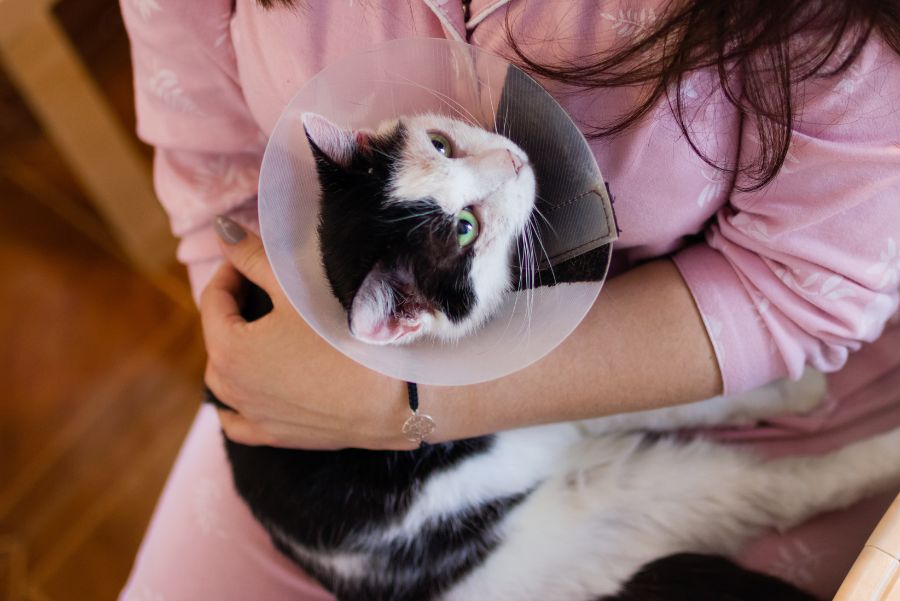
Caring for your pet’s surgical wound at home is crucial for a smooth recovery. Proper post-surgery care for pets helps prevent infection, promotes healing, and ensures your furry friend stays comfortable. From cleaning techniques to monitoring for complications, following a veterinary aftercare guide can make all the difference. Pooler Veterinary Hospital in Bloomingdale provides essential insights into pet wound care at home, including tips for managing discomfort, keeping your pet safe, and supporting faster healing. With the right approach, you can help your pet recover safely and comfortably after surgery.
Understanding Pet Surgical Wounds
Surgical wounds in pets vary depending on the procedure but generally require careful attention. Common post-operative wounds include incisions from spaying or neutering, tumor removals, or orthopedic surgeries. Recognizing what a healthy healing wound looks like is the first step in proper pet surgical wound care.
Signs of a Healthy Wound:
- Minimal redness and swelling around the incision
- Absence of discharge or foul odor
- Gradual closure of the wound edges
- Normal behavior and appetite
Signs of Infection or Complications:
- Excessive swelling or redness
- Pus or unusual discharge
- Persistent bleeding
- Lethargy or loss of appetite
Monitoring your pet closely in the first few days after surgery is key to early detection of any issues.
Post-Surgery Care for Pets: Step-by-Step
1. Keep the Wound Clean and Dry
- Use only vet-approved antiseptics or saline solutions to clean around the wound.
- Avoid applying human creams or ointments unless directed by your veterinarian.
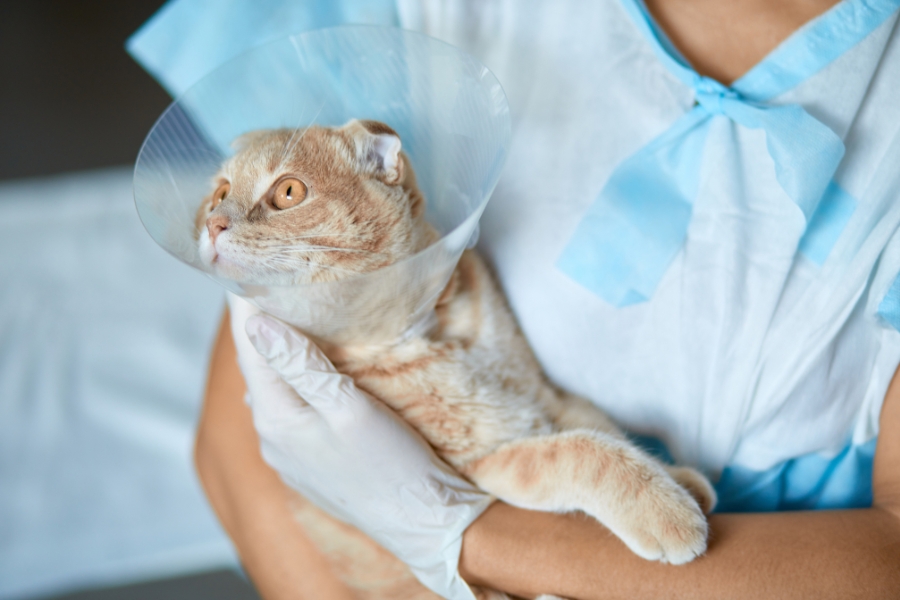
- Prevent your pet from licking or scratching the incision with an Elizabethan collar or alternative protective device.
2. Monitor for Signs of Infection
- Check the wound twice daily for any changes in color, swelling, or discharge.
- Record observations to report to your veterinarian if needed.
3. Manage Activity Levels
- Limit jumping, running, or rough play during recovery.
- Leash walks are preferable over free-roaming until cleared by your vet.
4. Pain Management
- Administer prescribed pain medications exactly as instructed.
- Watch for signs of discomfort, such as whining, restlessness, or reluctance to move.
5. Nutrition and Hydration
- Provide a balanced diet to support wound healing.
- Ensure your pet stays hydrated, as fluids play a vital role in recovery.
Pet Recovery Tips for a Faster Healing Process
Maintain a Stress-Free Environment
Stress can slow down recovery. Provide a quiet, comfortable space for your pet with minimal disruptions.
Use Supportive Bedding
Soft, clean bedding reduces pressure on surgical sites and prevents irritation.
Follow the Veterinary Aftercare Guide
Every surgery is unique. Follow Pooler Veterinary Hospital’s post-operative instructions closely, including medication schedules, wound inspections, and follow-up appointments.
Keep Track of Recovery Milestones
- Day 1–3: Monitor for swelling, redness, or discharge
- Day 4–7: Check for wound closure and reduced swelling
- Week 2+: Confirm incision healing and return to normal activity gradually
Common Mistakes in Pet Wound Care
- Ignoring Early Signs of Infection: Small issues can become serious if untreated.
- Allowing Pets to Lick or Bite Wounds: This can introduce bacteria and delay healing.
- Skipping Follow-Up Visits: Regular vet checks ensure recovery is on track.
- Improper Bandaging: Loose or tight bandages can cause irritation or restrict circulation.
By avoiding these mistakes, you enhance the chances of a smooth recovery and reduce the risk of complications.
When to Contact Your Veterinarian
Immediate veterinary attention is necessary if you notice:
- Severe swelling or bleeding
- Pus, foul odor, or unusual discharge
- Persistent vomiting or diarrhea
- Excessive pain or discomfort
Prompt action can prevent minor complications from turning into serious health risks.
Proper pet surgery care at home is essential for a smooth recovery and your pet’s overall well-being. By following post-surgery care for pets, monitoring for infection, managing pain, and adhering to a veterinary aftercare guide, you can support your furry friend’s healing journey. Pooler Veterinary Hospital in Bloomingdale is here to help with personalized guidance and support. Contact Pooler Veterinary Hospital today to ensure your pet recovers safely and comfortably.
Frequently Asked Questions
1. How often should I clean my pet’s surgical wound at home?
Clean the wound once or twice daily with vet-approved solutions, avoiding harsh chemicals or soaps.
2. Can my pet go outside after surgery?
Only brief, supervised leash walks are recommended until your vet clears full activity.
3. How can I prevent my pet from licking the wound?
Use an Elizabethan collar, protective bandage, or soft recovery suit to prevent licking.
4. What signs indicate my pet’s wound may be infected?
Watch for swelling, redness, discharge, foul odor, or persistent pain, and contact your vet immediately.
5. How long does it take for a surgical wound to heal in pets?
Most surgical wounds heal within 10–14 days, but healing varies by surgery type and your pet’s health.

Ready To Visit Us?
We proudly serve the pets of Pooler, Bloomingdale, Savannah, Port Wentworth, Guyton,
Chatham County, GA and the surrounding areas. At every stage of your pet’s life, we are dedicated to giving
them veterinary treatment of the highest quality.