info@poolervet.com

Do Female Cats Get Depressed or Lazy After Being Spayed?
Book Online
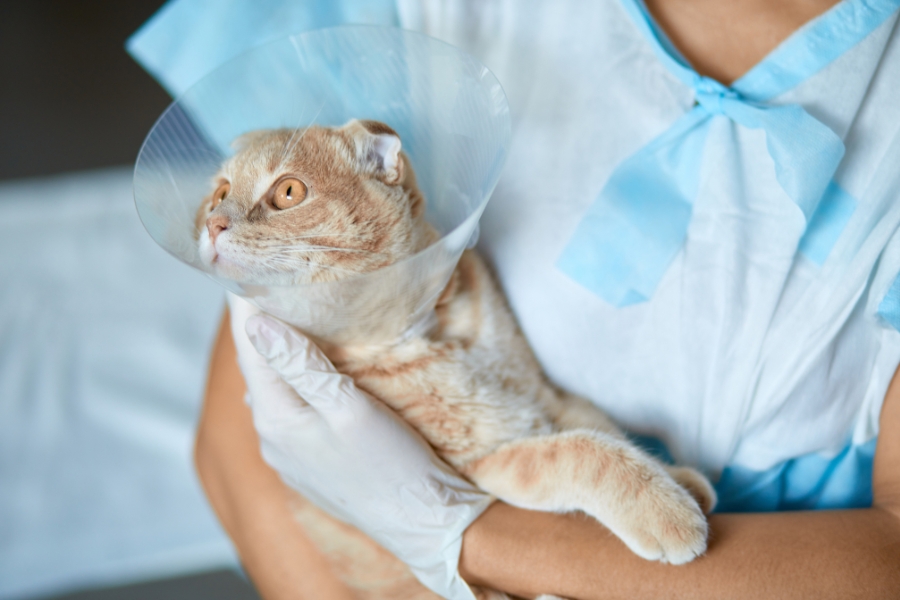
Many cat owners notice subtle or sudden behavior changes after their female cat is spayed and wonder if something is wrong. Questions about cat behavior change after spaying, low energy, or mood shifts are common and valid. This article explains whether female cats can become depressed or lazy after spaying, what changes are normal, and how to support your cat’s physical and emotional health after surgery.
Does Female Cats’ Behavior Change After Being Spayed?
Yes, some level of cat behavior change after spaying is completely normal. Spaying removes the ovaries and uterus, which leads to hormonal adjustments in your cat’s body. These hormonal shifts can influence energy levels, appetite, and social behavior.
However, these changes are often temporary and should not be mistaken for long-term emotional distress. Most cats return to a stable routine within a few weeks as their bodies adjust.
Common short-term changes include:
- Increased sleep or rest periods
- Reduced activity during recovery
- Mild clinginess or withdrawal
- Temporary changes in appetite
These behaviors are usually related to healing and hormone regulation rather than true depression.
Is My Cat Depressed After Spay Surgery?
Many owners worry about cat depressed after spaying, but clinical depression in cats is rare. What often appears as depression is more accurately described as post-surgical fatigue or discomfort.
In the days following surgery, cats may:
- Sleep more than usual
- Avoid jumping or playing
- Show less interest in interaction
This behavior is expected during recovery. True post-spay depression in cats would involve prolonged behavioral changes lasting more than four to six weeks, especially if accompanied by appetite loss or signs of illness.
If your cat resumes eating, grooming, and light activity within a few days, emotional well-being is usually not a concern.
Why Do Some Cats Seem Lazy After Being Spayed?
One of the most noticeable changes owners report is reduced activity, often described as laziness. This is primarily due to lower estrogen levels, which naturally reduce roaming, mating behaviors, and high-energy activity.
Spayed cats tend to:
- Be calmer and less restless
- Show reduced territorial behaviors
- Spend more time resting indoors
This calmer temperament is often a positive outcome, especially for indoor cats. It does not mean your cat has lost interest in life or play.
Understanding Weight Gain in Cats After Spaying
Weight gain in cats after spaying is one of the most common concerns. After surgery, a cat’s metabolism can slow slightly, while appetite may increase.
Key reasons weight gain occurs include:
- Lower calorie needs after hormonal changes
- Overfeeding during recovery
- Reduced physical activity
Weight gain is preventable with proper management. Adjusting portion sizes, feeding measured meals instead of free-feeding, and encouraging play can keep your cat at a healthy weight.
Your veterinarian may recommend:
- A calorie-controlled diet
- Scheduled feeding times
- Age-appropriate play routines
Maintaining a healthy weight is critical for preventing diabetes, joint disease, and heart issues later in life.
How Long Does Post-Spay Recovery Affect Behavior?
Most cats recover from spay surgery within 10 to 14 days. Behavioral changes related to recovery should steadily improve during this time.
Typical recovery milestones:
- First 24 to 48 hours: Drowsiness and low activity
- Days 3 to 7: Gradual return to normal eating and movement
- Two weeks: Most cats resume normal routines
If your cat remains withdrawn, refuses food, or seems lethargic beyond this timeframe, it may indicate pain, infection, or another medical issue that requires veterinary attention.
How to Support Your Cat After Spay Surgery
Proper aftercare can make a significant difference in both physical healing and emotional comfort.
Helpful post-spay care tips include:
- Provide a quiet, warm recovery space
- Limit jumping and rough play for at least 10 days
- Offer gentle interaction without forcing attention
- Follow medication instructions carefully
- Monitor the incision daily
Mental stimulation is also important. Once cleared by your nearest veterinarian, interactive toys and short play sessions can help your cat regain confidence and energy.
When Should You Be Concerned About Behavior Changes?
While most post-spay changes are normal, some signs should not be ignored. Contact your veterinarian if you notice:
- Persistent lethargy beyond two weeks
- Complete loss of appetite
- Aggression or extreme withdrawal
- Swelling, redness, or discharge at the incision site
These symptoms are not typical of post-spay depression in cats and may indicate pain or complications from surgery.
Is Spaying Still Beneficial Despite These Changes?
Absolutely. Spaying offers significant long-term health and behavioral benefits that far outweigh temporary changes.
Benefits include:
- Reduced risk of uterine infections and cancer
- Prevention of unwanted pregnancies
- Lower likelihood of roaming and vocalization
- Improved overall lifespan
Behavioral calmness after spaying is often viewed as a positive adjustment rather than a negative outcome.
Conclusion
Behavior changes after spaying are common and usually temporary. What many owners interpret as depression or laziness is often normal recovery or hormonal adjustment. With proper nutrition, play, and veterinary guidance, most cats quickly return to happy, healthy routines. If you have concerns about your cat’s recovery after pet surgery in Bloomingdale, the experienced veterinary team at Pooler Veterinary Hospital can help.
FAQs
Q1: Do female cats get depressed after being spayed?
Most cats do not experience true depression after spaying. Temporary low energy is usually related to recovery and hormonal changes.
Q2: How long does post-spay depression in cats last?
Mild behavioral changes typically resolve within one to two weeks. Persistent symptoms beyond a month should be evaluated by a veterinarian.
Q3: Is weight gain in cats after spaying inevitable?
No, weight gain can be prevented with proper portion control, diet adjustments, and regular play.
Q4: Why is my cat less playful after spaying surgery?
Lower hormone levels and short-term recovery fatigue often reduce activity levels, which usually improve over time.
Q5: When should I contact a veterinarian about post-spay behavior?
If your cat shows prolonged lethargy, appetite loss, or signs of pain beyond two weeks, consult a veterinarian promptly.


Ready To Visit Us?
We proudly serve the pets of Pooler, Bloomingdale, Savannah, Port Wentworth, Guyton,
Chatham County, GA and the surrounding areas. At every stage of your pet’s life, we are dedicated to giving
them veterinary treatment of the highest quality.