info@poolervet.com

Myths Busted: Is Anesthesia Safe for Senior Pets During Surgery?
Request Appointment
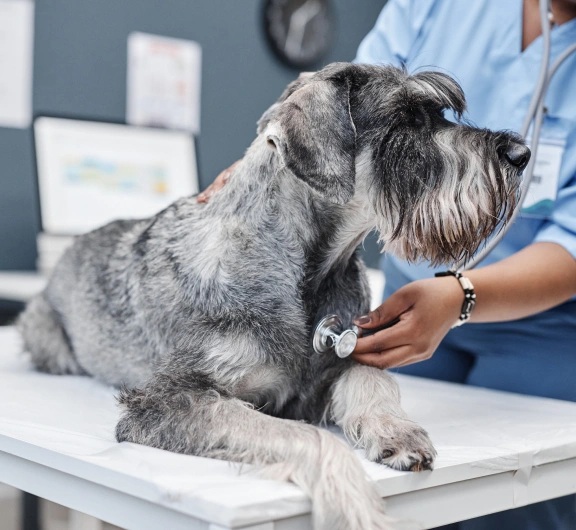
Every pet owner fears seeing their furry companion go under anesthesia, especially when they’re older. However, understanding the truth behind anesthesia safety can put many worries to rest, particularly when it comes to pet surgery Bloomingdale. This post busts common myths about anesthesia in senior pets and highlights how modern veterinary care makes procedures safer than ever.
Aging Gracefully: Senior Pets and Anesthesia—What You Should Know
Many people believe age alone makes anesthesia unsafe. But, age is just a number! Senior pets are more susceptible to risks mainly because of underlying health issues, not just their years. Veterinarians in Bloomingdale carefully review each pet’s overall health before surgery, tailoring anesthesia plans accordingly.
Transitioning from old outdated fears, today’s care emphasizes thorough pre-anesthetic evaluations, including blood tests and organ function assessments, to ensure safety.
Myth #1: “Senior Pets Can’t Handle Anesthesia”
Contrary to popular belief, senior pets can tolerate anesthesia safely with proper precautions. Modern drugs and advanced monitoring technologies significantly reduce risks. For example, veterinary teams adjust drug types and dosages to suit your pet’s age and health, minimizing side effects.
Plus, continuous monitoring during surgery in Bloomingdale allows immediate response to any changes, ensuring your pet’s stability throughout the procedure.
Myth #2: “Anesthesia Causes Long-Term Problems for Older Pets”
It’s common to worry that anesthesia might have lasting negative effects. However, research shows that, when carefully managed, the impact is temporary. Recovery might take a bit longer in senior pets due to slower metabolism, but lasting problems are rare.
Furthermore, the benefits of surgery—such as tumor removal or dental care—often vastly outweigh the minimal risks of anesthesia, improving your pet’s quality of life.
Myth #3: “Avoid Surgery at All Costs if Your Pet is Older”
Delay can be dangerous. Avoiding necessary procedures due to fear of anesthesia can let diseases worsen. With pet surgery Bloomingdale, veterinarians focus on proactive treatment.
Surgery under careful anesthesia protocols helps cure conditions and relieve pain, ultimately extending your senior pet’s happy years. Waiting too long can cause irreversible damage.
Personalized Anesthesia: The Heart of Safe Senior Surgery
Veterinary teams in Bloomingdale use personalized anesthesia plans designed specifically for each senior pet. This involves:
- Pre-surgical health screenings
- Tailored anesthesia drug combinations
- Close intraoperative monitoring of vital signs
- Warmth maintenance during and post-surgery
These measures reduce complications and promote smooth recoveries.
Watchful Recovery: What Happens After Surgery?
Recovery for senior pets requires extra attention. Bloomingdale vets provide detailed post-surgery care instructions, emphasizing observation for breathing, behavior, and feeding changes.
Active warming and pain management continue after surgery to keep your pet comfortable. Follow-up visits ensure quick detection of any issues, helping your pet bounce back stronger.
Why Choosing Experienced Care in Bloomingdale Matters
When it’s time for surgery, entrust your senior pet to experienced professionals who understand geriatric anesthesia inside and out. Pet surgery Bloomingdale clinics offer specialized knowledge, advanced equipment, and compassionate care to protect your best friend.
Choosing a veterinary team skilled in senior pet anesthesia ensures the best outcomes.
Frequently Asked Questions (FAQs)
Q1. Is anesthesia riskier for older pets?
Ans. While there is a slightly increased risk, modern veterinary protocols and tailored care minimize dangers effectively.
Q2. How do vets in Bloomingdale prepare senior pets for anesthesia?
Ans. They perform comprehensive health evaluations and customize anesthesia plans based on each pet’s condition.
Q3. Will my senior pet be groggy after anesthesia?
Ans. Some grogginess is normal but usually short-lived. Your vet will provide guidelines for home care.
Q4. Can anesthesia worsen existing conditions in older pets?
Ans. Proper pre-surgical screening helps identify risks and adapt anesthesia to reduce complications.
Q5. How long does recovery take for senior pets post-surgery?
Ans. Recovery may be slower than younger pets, often taking several days to weeks depending on the procedure.
Q6. What if my vet says my pet is “too old” for surgery?
Ans. Seek a second opinion; many senior pets safely undergo anesthesia with experienced teams.
In Conclusion
The myths around anesthesia and senior pets often cause unnecessary fear. Thanks to advances in veterinary medicine, anesthesia is safer than ever for older furry friends. By choosing skilled providers in Bloomingdale who offer individualized care, you give your pet the best chance for a successful surgery and a comfortable recovery.
If your senior pet needs surgery, discuss concerns openly with your vet. Early intervention with expert care can truly save lives and improve your companion’s golden years.


Ready To Visit Us?
We proudly serve the pets of Pooler, Bloomingdale, Savannah, Port Wentworth, Guyton,
Chatham County, GA and the surrounding areas. At every stage of your pet’s life, we are dedicated to giving
them veterinary treatment of the highest quality.