info@poolervet.com

What Are the Signs Your Pet May Need Diagnostic Testing?
Request Appointment
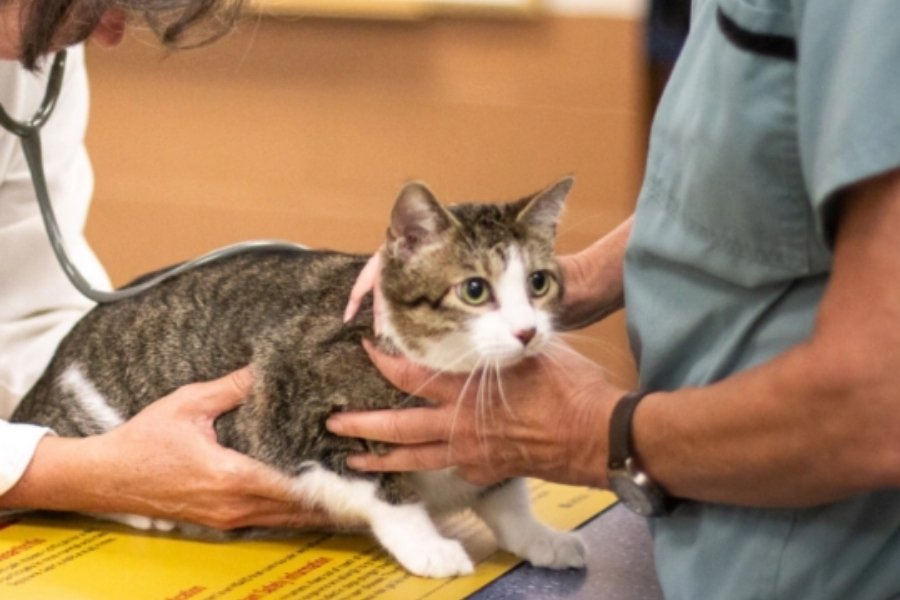
When you noticed that your furry friend isn’t acting like themselves, it’s natural to feel concerned. As a responsible pet parent, recognizing the signs that indicate a need for pet diagnostic care can be a lifesaver. Diagnostic testing plays a crucial role in identifying hidden health issues before they become serious. Let’s explore the key signs, so you know when it’s time to visit the vet and get your pet checked.
Is Your Pet Showing Unusual Behavior?
Pets can’t tell us when they don’t feel well, but their behavior speaks volumes. If your usually lively pet suddenly becomes lethargic, loses interest in playtime, or hides away, it’s time to pay attention. These behavioral changes may signal discomfort or underlying illness. For example, reluctance to move could mean joint pain or injury. In such cases, pet diagnostic care specialists can run tests like X-rays or blood work to identify the cause and recommend treatment promptly.
Appetite Changes: More Than Just a Quirk
Another significant sign is a change in your pet’s eating habits. Notice if your pet is eating significantly less or refusing food altogether. Conversely, sudden increased hunger paired with weight loss can hint at metabolic disorders like diabetes or thyroid problems. Gut issues might manifest as vomiting or diarrhea alongside appetite shifts. Quick diagnostic tests can tease out these conditions early. The sooner you seek pet diagnostic care Bloomingdale, the better the chances for effective intervention.
Unexplained Weight Fluctuations Deserve Attention
When your pet gains or loses weight without any change in diet or exercise, it’s a warning sign. Weight loss might indicate parasites, cancer, or organ disease, while excessive weight gain can point to hormonal imbalances or inadequate exercise. Diagnostic testing, such as blood profiles or ultrasounds, can uncover these hidden problems. Ensuring your pet receives accurate pet diagnostic care keeps them at their healthiest.
Persistent Coughs, Sneezes, or Breathing Issues? Don’t Wait!
Respiratory symptoms—like coughing, sneezing, or difficulty breathing—can signal infections or chronic lung diseases. Sometimes these symptoms may accompany other issues like nasal discharge or lethargy. Since respiratory problems can escalate quickly, diagnostic imaging and lab tests become essential tools to identify infections, allergies, or heart conditions. Early detection through trusted pet diagnostic care Bloomingdale professionals can make a huge difference in outcomes.
Skin and Coat Problems: More Than Skin-Deep
It’s tempting to dismiss a dull coat, hair loss, or itchy skin as simple allergies or seasonal shedding. However, these symptoms can indicate deeper issues such as parasitic infestations, skin infections, or even autoimmune diseases. Diagnostic testing like skin scrapings or allergy panels helps pinpoint the exact problem. With the right pet diagnostic care, your pet can get relief and the proper treatment they need to feel comfortable again.
Changes in Bathroom Habits? Time to Investigate
Suddenly increased urination, accidents in the house, constipation, or diarrhea are signals that something isn’t right internally. Urinary tract infections, kidney disease, or gastrointestinal disorders may be behind these changes. Early diagnostic intervention not only improves your pet’s comfort but also prevents complications. Reliable pet diagnostic care Bloomingdale providers can perform urine tests and abdominal ultrasounds to get to the bottom of these issues quickly.
FAQs About Pet Diagnostic Care
1. What is pet diagnostic care?
Ans. Pet diagnostic care involves various tests like blood work, imaging, and biopsies to identify health problems that aren’t immediately apparent.
2. When should I seek diagnostic testing for my pet?
Ans. If you notice sudden behavioral changes, appetite shifts, weight fluctuations, or any ongoing symptoms like coughing or skin problems, it’s time to consult a vet.
3. Is diagnostic testing stressful for pets?
Ans. Veterinarians strive to minimize stress by using gentle handling and sedation when necessary. The benefits of accurate diagnosis outweigh any temporary discomfort.
4. How often should routine diagnostic testing be done?
Ans. For healthy pets, annual wellness exams and testing are recommended. Pets with chronic conditions might need more frequent monitoring.
5. Can diagnostic testing detect early signs of serious diseases?
Ans. Yes, tests can catch problems like diabetes, kidney disease, and cancers early on, improving treatment success rates.
6. Why choose pet diagnostic care in Bloomingdale?
Ans. Bloomingdale offers expert veterinary services with advanced diagnostic technologies and compassionate care tailored to your pet’s unique needs.
Caring for your pet’s health means staying alert to these warning signs and acting swiftly. With timely pet diagnostic care , your pet gets the best chance for a long, joyful life. Always trust your instincts and consult veterinary professionals at the first sign of trouble. Your pet’s wellbeing depends on it.


Ready To Visit Us?
We proudly serve the pets of Pooler, Bloomingdale, Savannah, Port Wentworth, Guyton,
Chatham County, GA and the surrounding areas. At every stage of your pet’s life, we are dedicated to giving
them veterinary treatment of the highest quality.