info@poolervet.com
15 Tell-Tale Signs of UTI in Puppies
Request Appointment
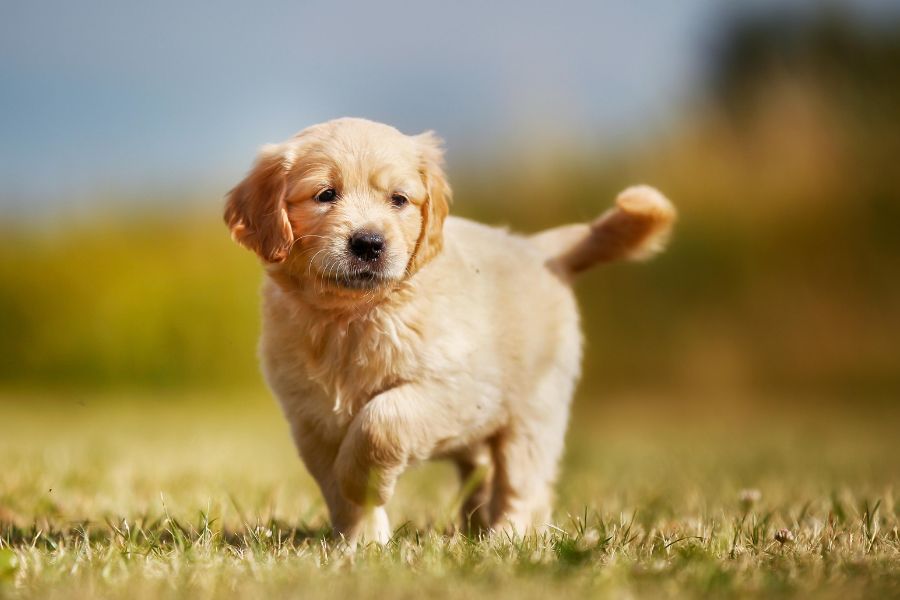
A puppy’s urinary tract infection (UTI) can quickly become serious if not detected early. Puppies often can’t communicate discomfort clearly, so recognizing subtle signs is essential. In this guide, we’ll walk you through the most common UTI symptoms in puppies, what causes them, and when to seek a diagnostic exam to protect your pet’s health.
What Is a Puppy Urinary Tract Infection?
A puppy urinary tract infection occurs when bacteria enter the urinary system, affecting the bladder, urethra, or even kidneys. Because puppies have developing immune systems, they are more vulnerable to infections compared to adult dogs.
In areas where warm and humid weather can encourage bacterial growth, UTIs in puppies are fairly common, especially in outdoor or partially house-trained pets.
Why Early Detection of UTI in Puppies Matters
A mild UTI in puppies can escalate quickly into a painful and potentially dangerous condition. If untreated, it may lead to:
- Kidney infections
- Bladder inflammation
- Long-term urinary issues
- Dehydration or systemic illness
That’s why recognizing early UTI symptoms and scheduling a diagnostic exam for your puppy is critical.
15 Tell-Tale Signs of UTI in Puppies
Here are the most common warning signs every puppy owner should watch for:
1. Frequent Urination
If your puppy suddenly needs to go outside more often than usual, it could indicate bladder irritation caused by infection.
2. Straining to Urinate
Puppies with a urinary tract infection may struggle or take longer to urinate, often producing only small amounts.
3. Accidents in the House
Even well-trained puppies may start having accidents indoors due to urgency or lack of control.
4. Blood in Urine
Pink or reddish urine is a serious sign of a UTI in puppies and requires immediate veterinary attention.
5. Strong-Smelling Urine
A foul or unusually strong odor is often linked to bacterial infection in the urinary tract.
6. Cloudy Urine
Healthy urine should be clear. Cloudiness may indicate pus, bacteria, or crystals.
7. Excessive Licking of Genital Area
Your puppy may lick excessively to soothe irritation or discomfort caused by infection.
8. Whining or Crying While Urinating
Pain during urination is a clear sign that something is wrong and shouldn’t be ignored.
9. Lethargy
A puppy that suddenly becomes less playful or energetic could be dealing with an infection.
10. Loss of Appetite
Infections often lead to decreased appetite or reluctance to eat.
11. Fever
A higher body temperature may indicate that the infection is spreading.
12. Dribbling Urine
Uncontrolled leaking or dribbling can signal bladder dysfunction.
13. Increased Thirst
Puppies with UTI symptoms may drink more water as their bodies try to flush out bacteria.
14. Behavioral Changes
Irritability, restlessness, or unusual hiding can all be discomfort points.
15. Difficulty Holding Urine Overnight
If your puppy suddenly can’t hold urine through the night, it may be due to irritation or infection.
Common Causes of UTI in Puppies
Understanding what causes UTI in puppies can help prevent future infections:
- Bacterial contamination (often from fecal matter)
- Poor hygiene or dirty living conditions
- Weak immune system
- Congenital urinary tract abnormalities
- Holding urine for too long
- Dehydration
In humid regions, bacteria can thrive more easily, making hygiene and hydration especially important.
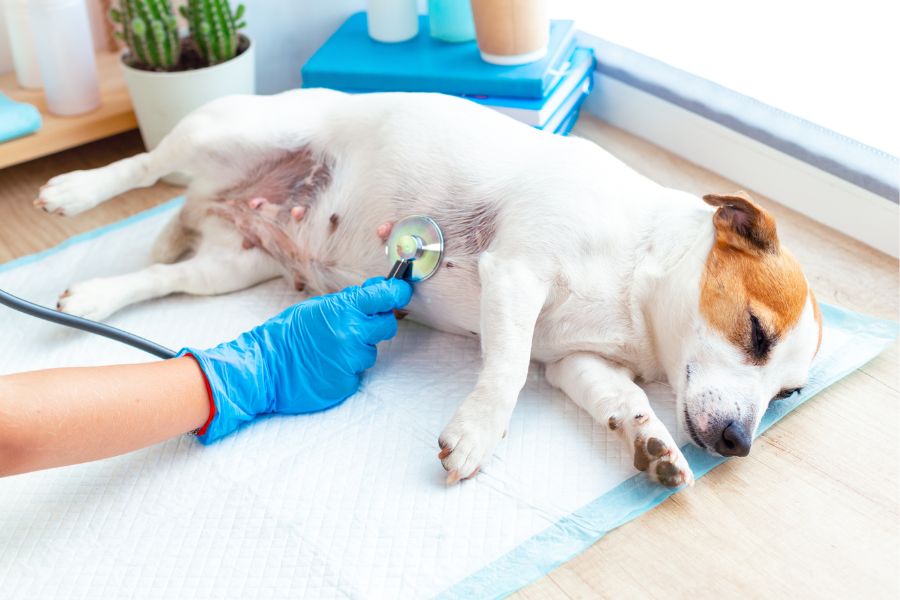
How Vets Diagnose Puppy Urinary Tract Infections
A proper puppy diagnostic exam is essential to confirm a UTI and rule out other conditions.
Veterinarians typically perform:
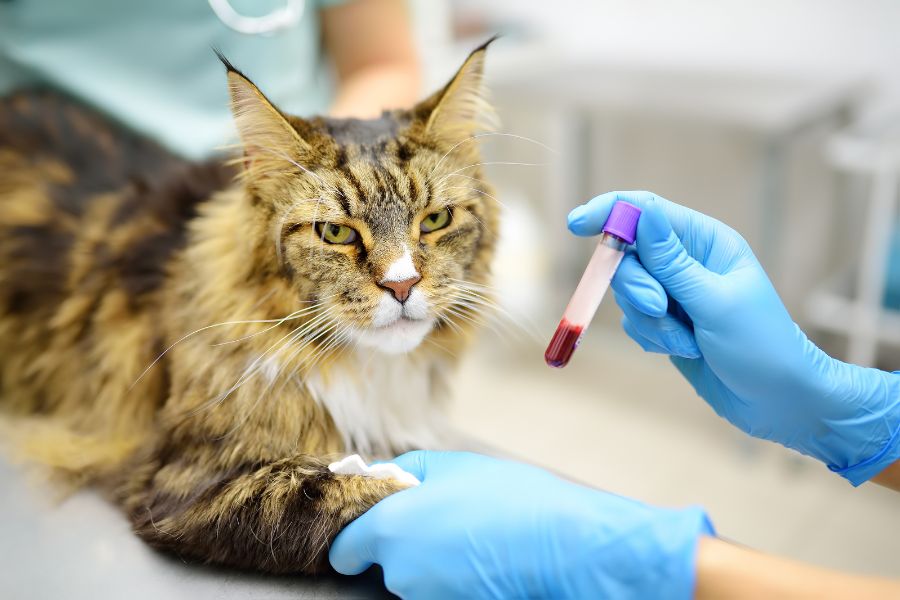
- Urinalysis – checks for bacteria, blood, and crystals
- Urine culture – identifies the exact bacteria causing infection
- Blood tests – evaluate overall health
- Imaging (X-rays or ultrasound) – detects stones or abnormalities
Early diagnosis ensures your puppy receives the right treatment quickly and avoids complications.
Treatment Options for Puppy Urinary Tract Infection
Treatment depends on the severity of the puppy’s urinary tract infection, but commonly includes:
Antibiotics
The most effective treatment to eliminate bacterial infection.
Increased Hydration
Encouraging your puppy to drink more water helps flush out bacteria.
Dietary Adjustments
Special diets may be recommended to support urinary health.
Pain Relief Medications
These help reduce discomfort during recovery.
Follow-Up Testing
A repeat diagnostic exam ensures the infection has fully cleared.
Preventing UTI in Puppies
Prevention is always better than treatment. Here’s how to reduce the risk of UTI in puppies:
- Provide fresh, clean water at all times
- Maintain proper hygiene, especially around the genital area
- Take your puppy out for regular bathroom breaks
- Keep living areas clean and dry
- Schedule routine veterinary checkups
- Avoid prolonged exposure to damp or dirty environments
Consistent care can significantly lower the chances of infection.
When Should You Visit a Vet?
You should seek veterinary care immediately if you notice:
- Blood in urine
- Persistent straining
- Signs of pain or distress
- Loss of appetite combined with urinary issues
- Symptoms lasting more than 24 hours
At Pooler Veterinary Hospital, early intervention through a thorough puppy diagnostic exam can make all the difference in your puppy’s recovery and long-term health.
Conclusion:
Recognizing the early signs of a puppy urinary tract infection is key to preventing serious health complications. From frequent urination to behavioral changes, these symptoms should never be ignored. Prompt diagnosis and proper treatment can ensure your puppy recovers quickly and stays healthy.
If you notice any UTI symptoms in your puppy, don’t wait; schedule a diagnostic checkup to get accurate answers and effective care. Book an appointment at Pooler Veterinary Hospital today and give your puppy the healthy start they deserve.
FAQs:
Q1: How do I know if my puppy has a urinary tract infection?
Ans: Look for frequent urination, straining, accidents indoors, and strong-smelling urine. These common UTI symptoms often indicate infection and require a puppy diagnostic exam.
Q2: Can a UTI in puppies go away on its own?
Ans: No, UTIs usually require veterinary treatment. Without antibiotics, the infection can worsen and potentially spread to the kidneys or bloodstream.
Q3: What causes puppy urinary tract infections?
Ans: Common causes include bacterial contamination, poor hygiene, dehydration, and holding urine too long. Environmental factors can also increase infection risk.
Q4: How is a puppy’s diagnostic exam performed for UTIs?
Ans: Vets perform urinalysis, urine culture, and sometimes imaging tests to identify bacteria and determine the severity of the infection.
Q5: How can I prevent UTIs in puppies?
Ans: Ensure proper hygiene, regular bathroom breaks, clean water access, and routine vet checkups to reduce the risk of urinary tract infections.


Ready To Visit Us?
We proudly serve the pets of Pooler, Bloomingdale, Savannah, Port Wentworth, Guyton,
Chatham County, GA and the surrounding areas. At every stage of your pet’s life, we are dedicated to giving
them veterinary treatment of the highest quality.