info@poolervet.com

Does My Dog Have Lyme Disease? Common Warning Signs Explained
Request Appointment

Your dog seems stiff after a walk, or maybe he just does not want to get off the couch. It is easy to blame this on age or a long day outside. But sudden lameness and low energy can point to something more serious. Recognizing lyme disease symptoms dogs display early can make a real difference in how quickly your pet feels better. Lyme disease is spread by ticks and can affect joints, kidneys, and overall energy levels. Many dog owners do not realize their pet has been exposed until symptoms appear weeks later. This article walks through the warning signs, what causes the illness, how it is diagnosed, and what you can do to protect your dog going forward.
Understanding Lyme Disease in Dogs
Lyme disease is a bacterial infection transmitted through the bite of an infected black-legged tick. Once the bacteria enter a dog’s bloodstream, they can travel to joints, kidneys, and other organs. Not every tick bite leads to infection, but the risk grows the longer a tick stays attached.
Lyme disease affects an estimated 1 in 10 dogs in regions where ticks are common, though many infected dogs never show obvious symptoms. That is part of what makes this illness tricky. A dog can carry the bacteria for weeks before any signs appear, which is why routine tick checks and prompt veterinary attention matter so much.
What Are the First Signs of Lyme Disease in Dogs?
The first signs are usually sudden lameness, joint swelling, and low energy that comes on quickly rather than gradually. Fever and a reduced appetite often appear alongside these symptoms. If your dog seems stiff one day and noticeably better the next, that shifting lameness pattern is a classic early clue.
Watch for these signs of lyme disease in your dog:
- Sudden limping that may shift from one leg to another
- Swollen, warm, or painful joints
- Fever and reduced appetite
- Low energy or reluctance to play or exercise
- Swollen lymph nodes near the site of a tick bite
In our experience, many dogs brought in for sudden limping test positive for tick exposure, even when the owner never saw a tick. If you notice any of these signs, contact your veterinarian promptly. Left unaddressed, this tick borne illness in dogs can occasionally progress to affect kidney function, which is far more serious than joint discomfort alone.
Causes and Risk Factors
Dogs pick up this tick borne illness during outdoor time in wooded areas, tall grass, or brush where ticks wait to attach to a passing host. Warm, humid climates support tick activity for much of the year, and dogs that spend time hiking, hunting, or exploring rural property face higher exposure.
Age and breed do not appear to significantly affect risk. What matters most is exposure to tick habitats and how long a tick remains attached before removal. In the Southeast, we see this more often because mild winters allow ticks to stay active across more months of the year than in colder regions.
Outdoor dogs and those who roam off leash in brushy areas carry the highest risk. Even dogs who mostly stay in a fenced yard can pick up ticks if the yard borders wooded space or overgrown grass.
How It’s Diagnosed and Treated
Diagnosing this condition starts with a physical exam and a conversation about your dog’s outdoor activity and any tick exposure you have noticed. From there, your veterinarian typically follows these steps:
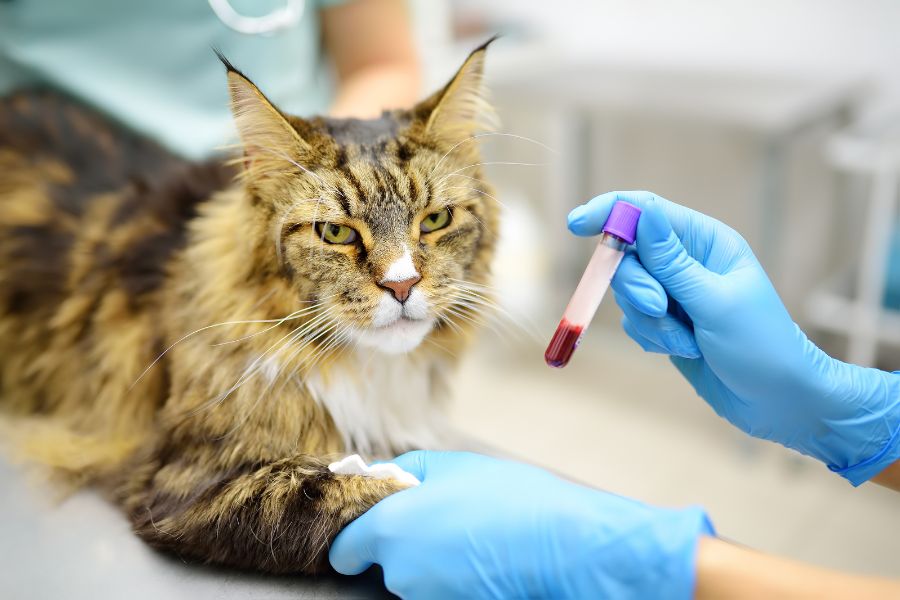
- A blood test to check for antibodies related to tick exposure
- Additional bloodwork to evaluate kidney function and overall health
- A joint exam to check for swelling, pain, or reduced range of motion
- Urinalysis if kidney involvement is suspected
Diagnostic care for dogs plays a central role here, since joint pain and low energy can stem from several different causes, including arthritis, injury, or other infections. A proper diagnostic workup helps rule out other explanations and confirms whether tick exposure is truly behind your dog’s symptoms, so treatment can be targeted rather than guesswork.
Once confirmed, lyme disease dog treatment typically involves a course of antibiotics along with supportive care for joint discomfort. Most dogs improve within days of starting treatment, though your veterinarian will recommend follow-up testing to confirm the infection has cleared. One of the most common questions we get from pet owners is whether their dog will need long-term monitoring. In most cases, dogs recover fully with prompt treatment and no lasting effects.
Prevention and Home Care Tips
Preventing tick exposure is far easier than treating the illness after the fact. A few consistent habits go a long way toward keeping your dog safe.
- Use a year-round tick prevention product recommended by your veterinarian
- Check your dog’s skin and coat after every outdoor outing, paying close attention to ears, armpits, and between the toes
- Keep grass trimmed and brush cleared around your yard
- Remove any attached tick promptly using fine-tipped tweezers, pulling straight out without twisting
- Schedule a wellness exam if you notice any signs of lyme disease, even if symptoms seem mild
A common misconception among pet owners is that one missed tick check is not a big deal. In reality, it only takes one tick attached for 24 to 48 hours to transmit infection, so consistency matters more than any single check. Pet owners often tell us they assumed indoor dogs were not at risk, but even brief trips outside for bathroom breaks can expose a dog to ticks hiding in yard grass. The team at Pooler Veterinary Hospital recommends year-round prevention rather than seasonal use, since tick activity rarely stops completely.
Recognizing Lyme disease symptoms dogs display, such as shifting lameness, joint swelling, and low energy, gives you the best chance of catching this illness early. Understanding the causes and risk factors helps you take practical steps to reduce your dog’s exposure to ticks. If symptoms do appear, prompt diagnosis and treatment lead to a strong recovery in most cases. Pooler Veterinary Hospital is here to help if you notice any warning signs in your dog. Book an appointment today.
Frequently Asked Questions
Q: Can a dog have Lyme disease and show no symptoms?
Ans: Yes, many dogs carry the infection without ever showing outward signs. Routine tick prevention and wellness exams help catch exposure even when symptoms are absent.
Q: How long after a tick bite do symptoms appear in dogs?
Ans: Symptoms often take two to five months to appear after an infected tick bite. This delay is why owners may not connect early symptoms to a tick encounter.
Q: Is Lyme disease in dogs contagious to other pets or people?
Ans: No, dogs cannot spread Lyme disease directly to other pets or people. The infection only spreads through the bite of an infected tick.
Q: What does joint pain from Lyme disease look like in dogs?
Ans: It often appears as sudden limping that may shift between legs, along with warm or swollen joints. This is one of the most recognizable dog joint pain causes linked to tick exposure.
Q: Can Lyme disease in dogs be cured?
Ans: Most dogs recover fully with a course of antibiotics and supportive care. Your veterinarian may recommend follow-up testing to confirm the infection has fully cleared.


Ready To Visit Us?
We proudly serve the pets of Pooler, Bloomingdale, Savannah, Port Wentworth, Guyton,
Chatham County, GA and the surrounding areas. At every stage of your pet’s life, we are dedicated to giving
them veterinary treatment of the highest quality.