info@poolervet.com

Cat Refusing to Eat: Common Causes and Quick Solutions
Request Appointment
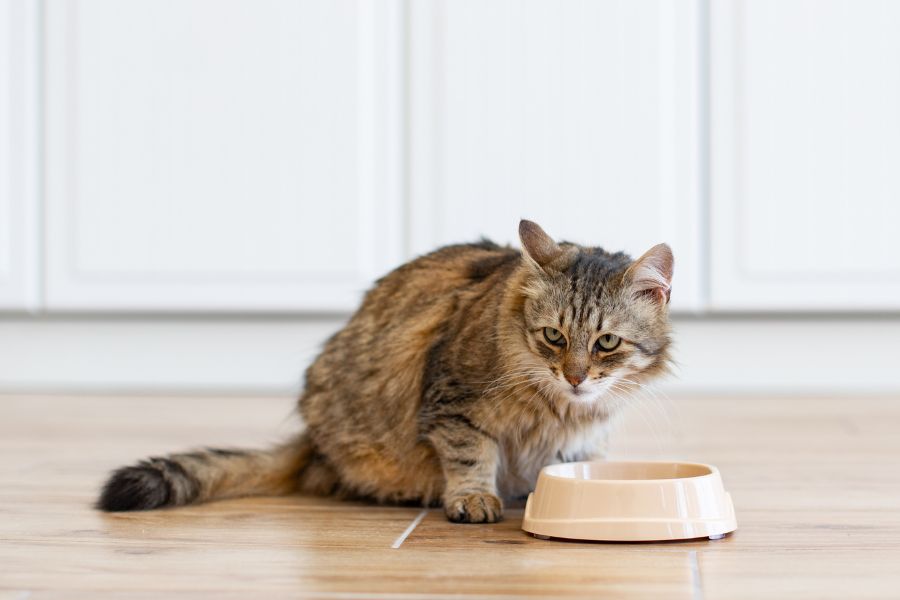
When your cat suddenly stops eating, it can be alarming—especially since appetite changes are a common sign that something isn’t right. Whether your cat is refusing food, not drinking water, or acting unusually, understanding the cause early can help you respond quickly. In this guide, we break down why a cat not eating or drinking happens, the most common health and behavioral triggers, and fast, vet-approved ways to help your cat start eating again.
Why Your Cat Isn’t Eating — The Most Common Reasons
Cats are sensitive animals, and even small changes in routine or health can cause them to refuse food. Appetite loss is a symptom, not a diagnosis, so identifying the root cause is essential.
1. Illness or Pain
When a cat suddenly stops eating, illness is one of the top concerns. Appetite loss can indicate:
- Dental pain (gingivitis, tooth resorption, broken teeth)
- Kidney disease
- Liver issues
- Gastrointestinal upset
- Pancreatitis
- Infections
- Fever or inflammation
Cats instinctively hide pain, so refusing food may be the first obvious warning sign.
2. Stress, Anxiety, or Environmental Changes
Cats dislike change. Any shift in their environment may trigger food refusal, including:
- New pets or people in the home
- Moving to a new house
- Loud noises or nearby construction
- A change in feeding schedule
- New food bowls or litter box location
Even minor changes can feel major to a cat.
3. Dislike of a New Food
Cats are known for being picky. Switching to a new brand or flavor of cat food may cause them to refuse to eat altogether. They may reject:
- Different textures (pâté vs. dry kibble)
- New flavors
- A sudden diet change instead of a slow transition
Sometimes, simply warming the food or reverting to their preferred texture helps.
4. Dental or Mouth Problems
Pain in the mouth makes chewing uncomfortable. Common dental causes include:
- Abscessed teeth
- Gum disease
- Oral ulcers
- Broken teeth
- Stomatitis
A cat avoiding dry kibble but still trying to lick wet food is a strong indicator of mouth pain.
5. Nausea or Digestive Upset
Cats experiencing nausea may hover near their bowl but refuse to eat. Triggers include:
- Hairballs
- Parasites
- Dietary indiscretion
- Food allergies
- GI inflammation
If your cat is vomiting, lethargic, or hiding, seek veterinary care promptly.
6. Aging or Cognitive Decline
Senior cats often develop reduced appetite due to:
- Kidney disease
- Arthritis
- Changes in taste and smell
- Cognitive dysfunction (feline dementia)
Older cats should receive more frequent veterinary checkups to monitor these changes.
What Not Eating Means for Your Cat’s Health
Cats cannot safely go without food for long periods. When they refuse food for more than 24 hours, they’re at risk of developing hepatic lipidosis, a dangerous liver condition.
Warning signs requiring urgent vet care:
- No eating for 24 hours or more
- No drinking for 12–18 hours
- Vomiting or diarrhea
- Weakness or collapse
- Yellow gums or eyes
- Difficulty breathing
If you notice any of these symptoms, contact a cat diagnostic care hospital near you immediately.
Quick Solutions to Encourage Your Cat to Eat
You can try the following safe, vet-backed strategies to help your cat start eating again—but remember that these are temporary solutions, not substitutes for professional diagnosis.
1. Warm the Food Slightly
Warming canned food enhances aroma, making it more appealing.
Try:
- Heating in the microwave for 5–10 seconds
- Mixing warm water or broth into dry kibble
2. Switch to a More Palatable Texture
Cats often have strong texture preferences.
Offer options like:
- Pâté
- Shredded meat
- Broth-heavy gravies
- High-quality kibble with strong aroma
Trying the best cat food for your cat’s specific taste can make a big difference.
3. Offer Tuna Water or Chicken Broth
Add moisture and flavor to encourage eating and hydration. Use:
- Low-sodium broth
- Tuna water (not oil)
- Bone broth made for pets
4. Reduce Stress with a Calm Environment
If your cat is skipping meals due to stress:
- Feed in a quiet room
- Keep their routine consistent
- Use pheromone diffusers
- Provide hiding spaces
Behavioral calmness often leads to better appetite.
5. Try Hand-Feeding
Some cats feel comforted by direct interaction when feeling unwell.
Hand-feed small bites of:
- Wet food
- Treat-style cat stews
- Vet-approved recovery foods
6. Gradually Switch Foods
If the decline happened after trying a new food, transition back or adjust slowly over a week.
Ratios to follow:
- 75% old food + 25% new for 2 days
- 50/50 for 2 more days
- 75% new + 25% old
When to Visit a Veterinarian
If your cat refuses food for more than a day—or shows other concerning symptoms—it’s time for a professional exam. Early diagnostics allow vets to detect and treat underlying problems promptly.
A veterinary examination may include:
- Complete oral exam
- Bloodwork and urinalysis
- X-rays or ultrasound
- Temperature check
- Pain assessment
Timely intervention prevents complications and helps your cat recover faster.
Preventing Appetite Problems in the Future
Once your cat starts eating again, preventive care can reduce the risk of repeat incidents.
Tips to maintain healthy eating habits:
- Stick to a consistent feeding routine
- Feed high-quality, balanced cat food
- Keep water bowls clean and fresh
- Maintain regular dental care
- Schedule yearly wellness exams
- Use slow transitions when changing diets
- Keep your cat’s environment stable and stress-free
Routine care and early detection go a long way toward protecting your cat’s health.
Conclusion
A cat refusing to eat can be caused by stress, dental problems, digestive issues, illness, or even simple food preferences. Identifying the cause early and taking quick action helps protect your cat’s health and prevent more serious complications like dehydration or liver disease.
Suppose you are conveniently located in Bloomingdale, GA and searching for the best cat diagnostic care hospital near me. In that case, Pooler Veterinary Hospital is the right choice for compassionate, advanced, and reliable pet care.
FAQs
Q1: Why has my cat suddenly stopped eating?
Ans: A cat suddenly refusing food may be experiencing stress, dental pain, digestive issues, or illness. Sudden appetite loss should be evaluated if it lasts more than 24 hours.
Q2: What should I do if my cat is not eating or drinking?
Ans: Try warming food, offering tuna water, or hand-feeding. If your cat continues to avoid food and water for more than a day, contact your veterinarian immediately.
Q3: How long is it safe for a cat to go without eating?
Ans: Cats should not go more than 24 hours without food. Fasting longer than this increases the risk of hepatic lipidosis, a serious liver condition.
Q4: What food can I give to entice my cat to eat?
Ans: Highly aromatic foods like warmed wet food, tuna water, chicken broth, or soft pâté-based meals often help stimulate appetite.
Q5: When should I take my cat to a diagnostic care hospital?
Ans: Visit a vet if your cat refuses food, shows lethargy, vomiting, dehydration, or unusual behavior. A diagnostic exam can uncover the cause and guide proper treatment.



Ready To Visit Us?
We proudly serve the pets of Pooler, Bloomingdale, Savannah, Port Wentworth, Guyton,
Chatham County, GA and the surrounding areas. At every stage of your pet’s life, we are dedicated to giving
them veterinary treatment of the highest quality.