info@poolervet.com

Lumps and Bumps in Pets: When to Worry and What to Do First
Request Appointment
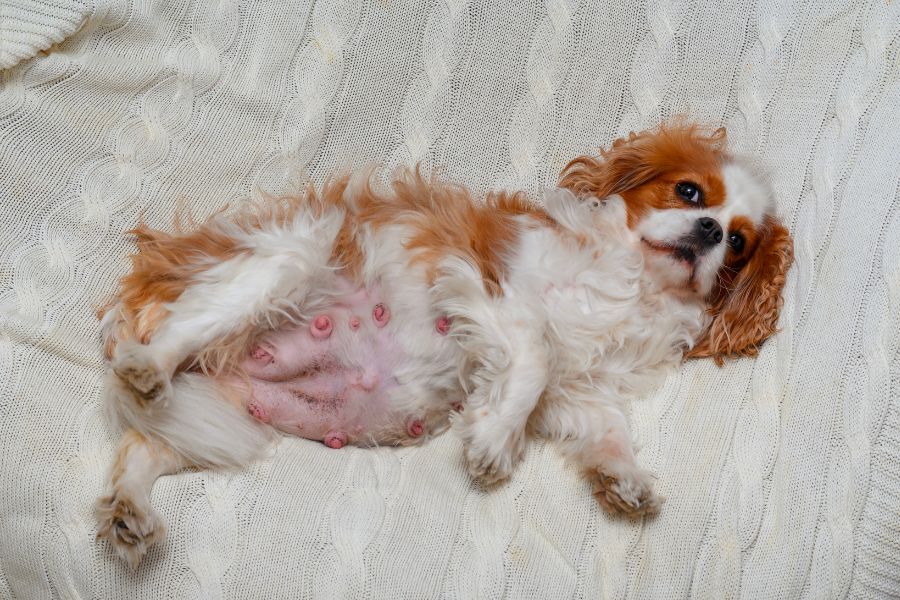
Noticing a lump or bump on your pet can be alarming. While many growths are harmless, some can indicate serious health issues. This guide will help pet owners understand lumps and bumps in pets, when to worry, and the first steps to take for proper care. Whether it’s a dog lump when to see vet or a cat lump when to worry, knowing what to look for can make a critical difference.
Common Causes of Lumps and Bumps in Pets
Pets can develop growths for a variety of reasons, ranging from minor to severe. Some common causes include:
- Lipomas: Soft, fatty lumps often found in older dogs. Usually harmless but should be monitored.
- Cysts: Fluid-filled sacs that may appear suddenly but are often benign.
- Abscesses: Swollen, painful lumps caused by infection or injury.
- Tumors: Can be benign or malignant; require veterinary evaluation for diagnosis.
Understanding the type of lump is the first step in determining whether it requires medical attention.
When to Worry About a Dog Lump
Signs That Require a Vet Visit
Not every lump is dangerous, but watch for these red flags:
- Rapid growth over days or weeks
- Hard or irregular texture
- Pain, redness, or ulceration
- Swelling that affects mobility or function
If your dog shows any of these signs, it’s time for pet diagnostic care in Bloomingdale. Early detection is key for better outcomes.
Lipoma vs Tumor in Dogs
Distinguishing between a lipoma vs tumor in dogs can be tricky. Here’s what to look for:
Lipoma:
- Soft and easily movable under the skin
- Slow-growing over time
- Usually painless
- Typically located under the skin
Tumor:
- Hard and often fixed in place
- Can grow rapidly
- May be painful or tender
- Can appear anywhere, including internal areas
Veterinarians often use a combination of physical exams, biopsies, and imaging to confirm the type of growth.
When to Worry About a Cat Lump
Cats may also develop lumps and bumps, and their warning signs can be subtle. Look for:
- Rapidly enlarging masses
- Lumps near lymph nodes (neck, underarms, groin)
- Skin ulceration or persistent bleeding
- Behavioral changes such as hiding or reduced activity
If you notice these symptoms, consult your vet promptly. Early intervention can improve treatment success.
First Steps to Take When You Discover a Lump
- Stay Calm: Don’t panic; not all lumps are dangerous.
- Observe and Record: Note size, location, texture, and any changes.
- Avoid Self-Diagnosis: Home remedies or pressure on the lump may worsen the problem.
- Schedule a Vet Appointment: A professional examination ensures accurate diagnosis and care.
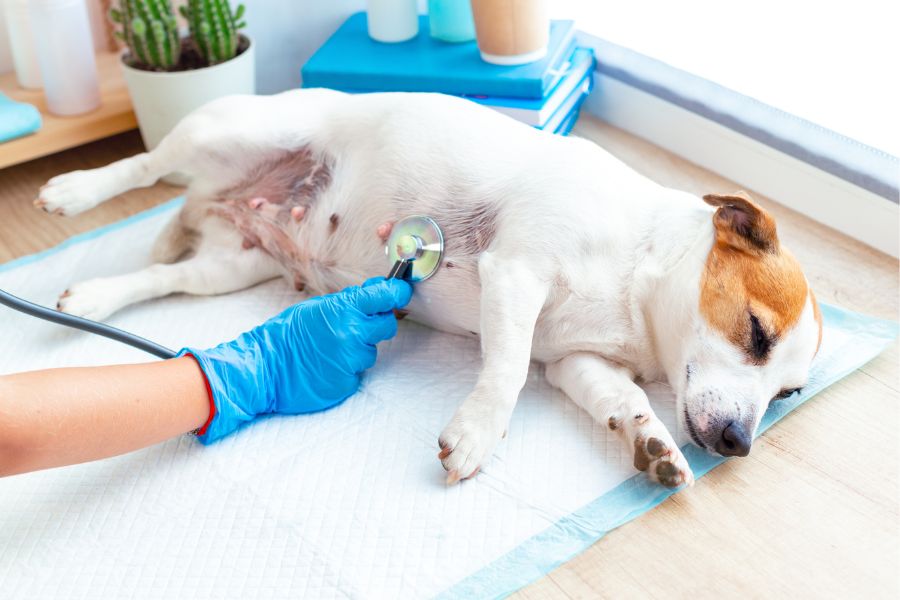
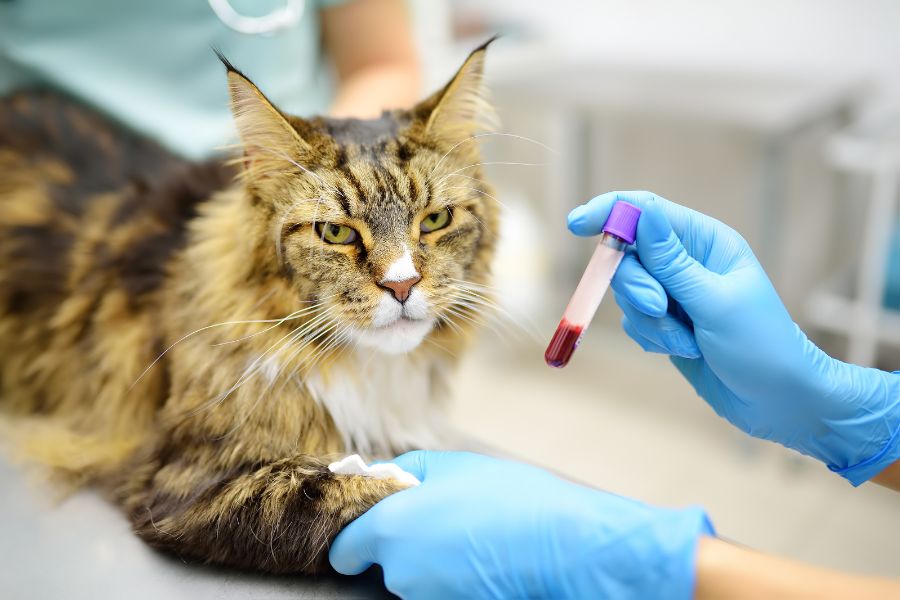
Veterinarians may perform fine needle aspiration (FNA), blood tests, or imaging to determine the nature of the lump.
Preventive Measures and Monitoring
While not all lumps are preventable, regular monitoring can help:
- Routine Vet Checkups: Annual or semi-annual visits can detect lumps early.
- Home Inspections: Gently feel your pet’s skin, especially older pets.
- Healthy Lifestyle: Balanced diet, exercise, and weight management reduce risk factors.
- Prompt Action: Schedule vet visits when unusual growths appear.
Documenting changes over time provides valuable information for your vet.
Not every lump or bump in your pet signals danger, but vigilance is essential. Understanding the difference between a lipoma vs tumor in dogs or identifying cat lumps when to worry can make a significant impact on your pet’s health. Always observe, document, and consult professionals for timely care.
If you are conveniently located in Bloomingdale and searching for the best pet diagnostic care near me, Pooler Veterinary Hospital is the right choice for compassionate, advanced, and reliable care.
FAQs
Q1: How can I tell if my dog’s lump is serious?
Ans: Look for rapid growth, hardness, pain, or changes in your dog’s behavior. A vet exam confirms the seriousness.
Q2: Are all cat lumps cancerous?
Ans: No, many cat lumps are benign, but rapid growth or ulceration should be checked by a veterinarian.
Q3: How often should I check my pet for lumps?
Ans: Monthly at-home checks combined with annual vet visits help detect growths early.
Q4: Can lipomas turn into cancer in dogs?
Ans: Lipomas are usually benign and rarely become cancerous, but monitoring for changes is important.
Q5: What tests do vets use to diagnose lumps in pets?
Ans: Vets often use physical exams, fine needle aspiration, imaging, and biopsies to identify the type of lump.


Ready To Visit Us?
We proudly serve the pets of Pooler, Bloomingdale, Savannah, Port Wentworth, Guyton,
Chatham County, GA and the surrounding areas. At every stage of your pet’s life, we are dedicated to giving
them veterinary treatment of the highest quality.