info@poolervet.com

Why Senior Cats Need Bloodwork Twice a Year
Book Online
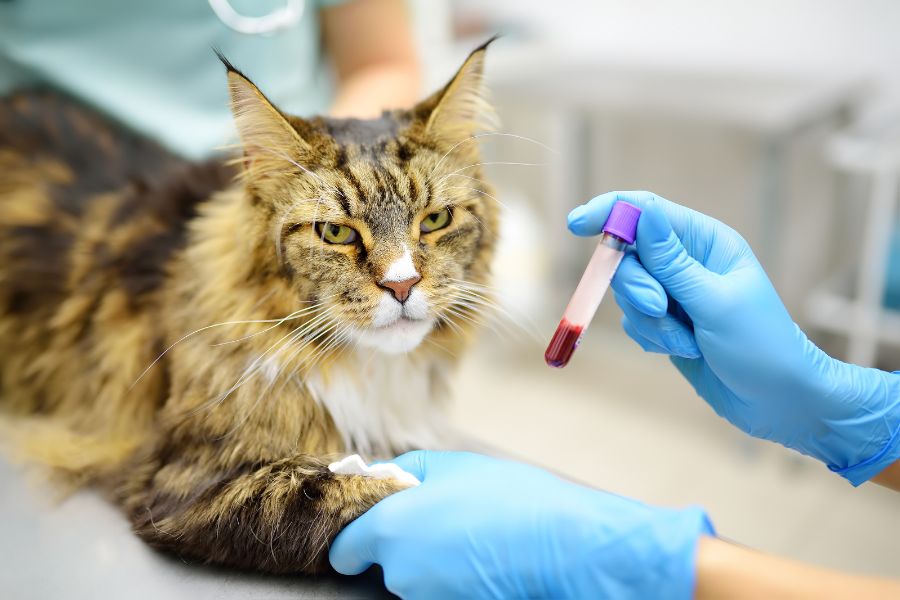
As cats age, health changes can happen quietly and progress faster than many pet parents expect. That’s why senior cat bloodwork twice a year is one of the most important steps you can take to protect your cat’s long-term health. In this article, we’ll explain why routine bloodwork matters for senior cats, what it can detect early, and how twice-yearly testing helps your cat stay comfortable and active well into their golden years.
When Is a Cat Considered a Senior?
Most cats are considered senior around age 7, and by age 10–12, they are often classified as geriatric. While your cat may still act playful or independent, their internal organs can begin aging long before outward signs appear.
Senior cats experience:
- Slower metabolism
- Reduced kidney and liver efficiency
- Higher risk of chronic disease
- Subtle immune system changes
Because cats instinctively hide illness, regular bloodwork becomes a critical tool for monitoring their health behind the scenes.
What Is Bloodwork for Senior Cats?
Bloodwork is a diagnostic test that evaluates how your cat’s organs and systems are functioning. For senior cats, veterinarians typically recommend a comprehensive senior wellness panel, which may include:
- Complete blood count (CBC)
- Blood chemistry panel
- Thyroid hormone (T4) testing
- Electrolyte levels
These tests are a core part of pet diagnostic care, helping veterinarians to identify early health changes before they become serious.
Why Senior Cats Need Bloodwork Twice a Year
Aging Happens Faster Than You Think
In human terms, one year of a senior cat’s life can equal several human years. A lot can change internally in just six months, especially for organs like the kidneys and thyroid.
Doing bloodwork only once a year may miss early disease progression. Twice-yearly testing gives a clearer, more timely picture of your cat’s health.
Early Detection of Common Senior Cat Diseases
Routine bloodwork can catch problems before symptoms appear, including:
- Kidney disease – One of the most common conditions in older cats
- Hyperthyroidism – Causes weight loss, increased appetite, and heart strain
- Diabetes – Often develops gradually and silently
- Liver disease – May not show symptoms until advanced
Early detection allows treatment to begin sooner, which can slow disease progression and improve quality of life.
Cats Hide Symptoms, Bloodwork Doesn’t Lie
Cats are masters at masking discomfort. A senior cat may appear “normal” while dealing with significant internal changes. Signs like sleeping more or eating slightly less are often dismissed as normal aging.
Bloodwork helps identify:
- Organ stress before failure occurs
- Inflammation or infection
- Changes in red or white blood cell counts
This objective data gives veterinarians insight that physical exams alone cannot provide.
How Bloodwork Helps Tailor Your Cat’s Care
Personalized Treatment Plans
Bloodwork allows veterinarians to customize your cat’s care, including:
- Diet recommendations
- Medication dosing
- Supplements for organ support
For example, early kidney changes may lead to a specialized senior diet long before symptoms arise.
Monitoring Existing Conditions
If your cat already has a diagnosed condition, twice-yearly bloodwork helps:
- Track disease progression
- Adjust medications safely
- Prevent complications
This proactive approach often results in better long-term outcomes and fewer emergency visits.
Is Bloodwork Stressful or Risky for Senior Cats?
Bloodwork is a safe, routine procedure. The blood sample is typically drawn quickly, and most cats tolerate it very well.
Benefits far outweigh the risks:
- Minimal discomfort
- No anesthesia required
- Results often available within days
For senior cats, the information gained from bloodwork is invaluable and can prevent serious health crises.
How Often Should Senior Cat Bloodwork Be Done?
Veterinarians recommend:
- Every 6 months for cats 7 years and older
- More frequent testing if chronic illness is present
This schedule aligns with how quickly health changes can occur in older cats and mirrors preventive care standards for senior pets.
The Cost of Bloodwork vs. the Cost of Late Diagnosis
Some pet parents worry about the cost of twice-yearly bloodwork. However, catching disease early often:
- Reduces long-term treatment costs
- Prevents emergency care
- Avoids advanced disease management
Early intervention is usually less invasive, less expensive, and more effective than treating advanced illness.
Local Insight
In Bloomingdale and the surrounding coastal Georgia area, many cats live long lives thanks to indoor lifestyles and attentive owners. However, heat, humidity, and regional environmental factors can affect hydration and kidney health in senior cats.
Regular bloodwork helps local veterinarians spot subtle changes early, especially in cats prone to dehydration or age-related organ stress common in warmer climates.
Signs Your Senior Cat Especially Needs Bloodwork
Even with routine testing, schedule bloodwork quickly if you notice:
- Weight loss or gain
- Increased thirst or urination
- Changes in appetite
- Vomiting or diarrhea
- Behavioral changes or hiding
These signs often correlate with conditions detectable through blood tests.
How Bloodwork Improves Quality of Life for Senior Cats
The ultimate goal of twice-yearly bloodwork is not just longevity, it’s comfort.
Benefits include:
- Fewer sudden illnesses
- Better pain and disease management
- More energy and appetite
- Improved overall well-being
Senior cats can remain active, affectionate, and content well into their later years with proactive care.
Conclusion:
Your cat has been there for you through every stage of life deserve the same level of attention and care. Senior cat bloodwork twice a year is one of the simplest, most effective ways to catch hidden health issues early and keep your cat feeling their best. At Pooler Veterinary Hospital, routine wellness testing is a key part of helping senior cats live longer, healthier lives in Bloomingdale area. Schedule a wellness visit today for your senior cats and take a proactive step toward their continued comfort and happiness.
FAQs:
Q1: At what age should my cat start getting bloodwork twice a year?
Ans: Most veterinarians recommend twice-yearly bloodwork starting around age 7, when cats enter their senior years.
Q2: What diseases can senior cat bloodwork detect early?
Ans: Bloodwork can identify kidney disease, thyroid issues, diabetes, liver problems, and infections before symptoms appear.
Q3: Is bloodwork necessary if my senior cat seems healthy?
Ans: Yes. Cats often hide illness, and bloodwork can detect internal changes long before visible signs develop.
Q4: How long does it take to get senior cat bloodwork results?
Ans: Results are often available within 1–2 days, allowing quick follow-up if needed.
Q5: Can bloodwork really extend my senior cat’s life?
Ans: While it can’t stop aging, regular bloodwork helps manage disease early, improving quality of life and often extending lifespan.



Ready To Visit Us?
We proudly serve the pets of Pooler, Bloomingdale, Savannah, Port Wentworth, Guyton,
Chatham County, GA and the surrounding areas. At every stage of your pet’s life, we are dedicated to giving
them veterinary treatment of the highest quality.